


How Voice‑Driven Menus Are Replacing Traditional IVR Systems
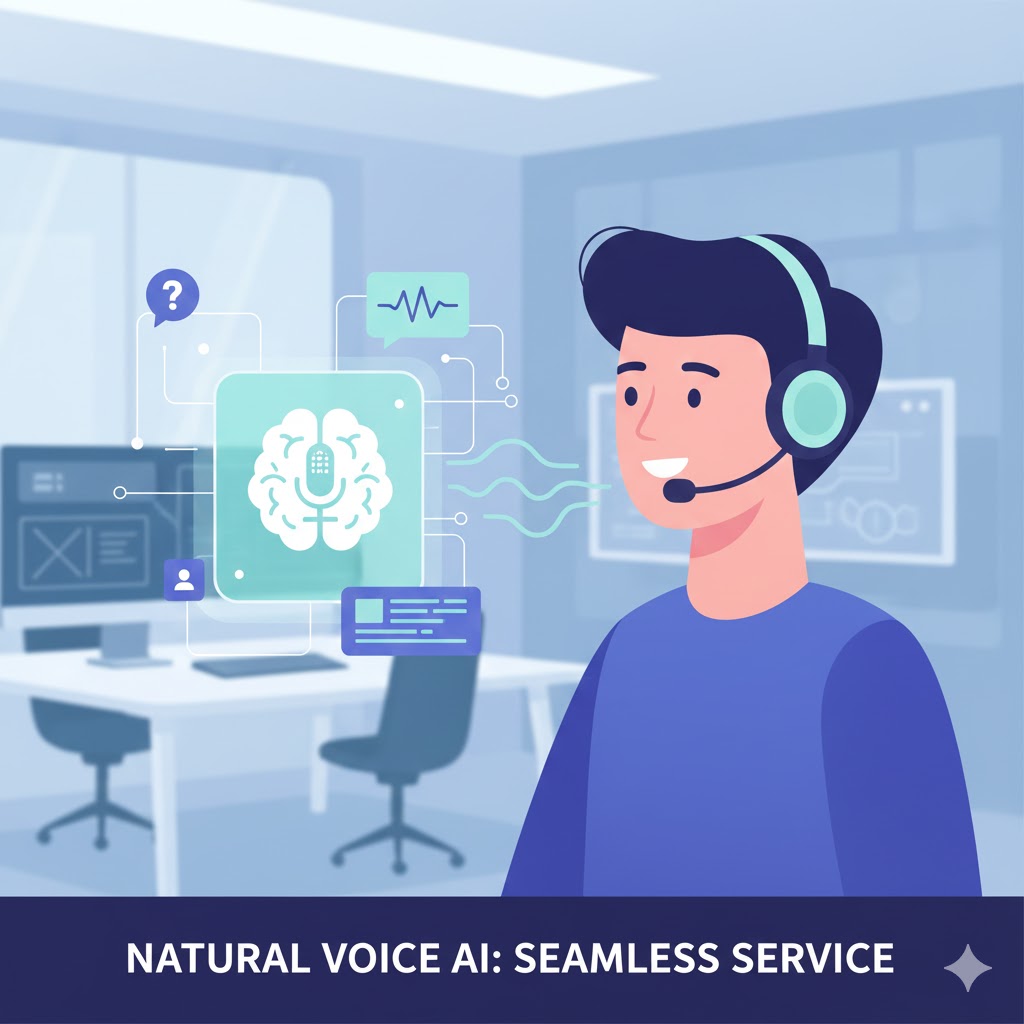
For years, traditional IVR systems relied on rigid keypad inputs—“Press 1 for sales, press 2 for support.” While this technology served its purpose, today’s customers expect faster, more natural, and more intuitive ways to interact with businesses. This shift in expectation, combined with rapid advances in AI, has paved the way for voice‑driven menus powered by conversational IVR and intelligent AI agent types.
Instead of navigating long menus, customers can now simply speak:
“I want to check my order status.”
“Transfer me to billing.”
“I need technical support.”
The system understands, responds, routes, and even resolves queries—without requiring human agents for every call. This is why more companies are replacing traditional IVR systems with AI‑enabled conversational IVR solutions.
Why Traditional IVR No Longer Works for Modern Customers
Classic IVR systems have several drawbacks:
- They force callers to remember and follow complicated menu options
- They often create long navigation paths before connecting to the right department
- They are frustrating when callers need something specific that is not listed
- They lack personalization and adapt poorly to diverse customer needs
As customer expectations evolve, businesses realize that outdated IVR systems are creating friction rather than solving problems. Delays lead to dissatisfaction, abandoned calls, and increased stress on support teams. This is where voice‑driven AI menus step in to transform the experience.
What Is Conversational IVR?
Conversational IVR is an advanced calling system powered by AI, natural language processing (NLP), and voice recognition. Instead of pressing numbers, callers simply speak naturally, and the system understands their intent. A conversational IVR can:
- Understand human speech
- Detect intent and emotions
- Ask follow‑up questions
- Provide relevant answers
- Transfer to the right agent if needed
- Automate repetitive tasks
- Personalize responses based on caller history
It’s like speaking with a smart virtual receptionist who knows exactly how to help.
The AI Behind Modern Voice-Driven Menus
Voice‑driven IVR systems rely on powerful AI agents. These agents have different types and functions, each responsible for making the conversation smoother and more accurate.
1. Rule‑Based Agents
These agents follow predefined workflows. They respond to specific commands and guide users through structured actions. While simple, they work well for predictable queries like checking account balance or knowing store hours.
2. Intent‑Recognition Agents
These agents use machine learning to understand what the caller wants, even if the question is phrased differently. For example,
“Where is my package?”
“Track my order.”
“I want delivery details.”
All map to the same intent.
3. Contextual AI Agents
These agents remember past interactions and understand the context of a conversation. They can identify returning customers, recall previous issues, and personalize answers.
4. Conversational Generative Agents
These agents are the most advanced. They use generative AI models to engage in natural, human‑like conversation. They handle complex queries, provide detailed responses, and manage multi‑step problem solving. Together, these AI agent types create an intelligent conversational IVR that feels intuitive and effortless.
How Voice‑Driven Menus Improve Customer Experience
Natural, Hands‑Free Communication
Customers talk normally without pressing buttons. This is faster and feels more convenient, especially during urgent or busy moments.
No More Long Menu Paths
Instead of waiting through “press 1, press 2,” callers directly say what they want. The system jumps straight to the relevant solution.
Faster Query Resolution
Voice‑driven IVR systems can handle tasks like:
- Booking appointments
- Checking orders
- Updating account details
- Resetting passwords
- Answering FAQs
This reduces wait times and improves satisfaction.
Reduced Call Transfers
Accurate intent detection helps callers reach the correct department instantly. Misrouting—a common problem in old IVR systems—drops significantly.
Personalized Interactions
AI uses caller data to tailor responses. For example:
“I see you ordered a product last week. Would you like to track it?”
Consistent 24/7 Availability
The voice‑driven IVR works nonstop without fatigue, offering the same quality anytime.
How Businesses Benefit from Conversational IVR
Reduced Operational Costs
Voice‑driven systems automate thousands of routine queries, lowering the dependency on large support teams.
Better Agent Productivity
Agents can focus on high-value, complex cases instead of repetitive questions.
Higher Call Handling Capacity
AI can address multiple callers simultaneously—something human teams cannot.
Improved Customer Retention
Satisfied customers are more likely to return, refer others, and trust the brand.
Scalable Across Locations
Whether a business has one office or multiple call centers, conversational IVR can handle large volumes globally.
Real Example: How a Retail Brand Streamlined Support With Conversational IVR
A growing e-commerce brand received thousands of daily calls for order tracking. Their old traditional IVR forced customers to submit order numbers, press multiple options, and still wait to speak to agents. Frustration levels were high, and call abandonment increased. After
switching to conversational IVR:
- Customers spoke naturally: “Track my order.”
- AI retrieved order details instantly via CRM integration
- Call waiting dropped by 60%
- Agents received fewer repetitive calls
- Customer satisfaction increased significantly
The brand saved hours of manual effort, reduced the load on support staff, and delivered a smoother, modern customer experience.
Why Voice‑Driven Menus Are the Future of Customer Support
As AI continues to evolve, customers will expect faster, more personalized, and more human-like support experiences. Traditional IVR systems cannot keep up with these expectations—but conversational IVR can. Voice‑driven menus powered by smart AI agents offer:
- Speed
- Clarity
- Convenience
- Personalization
- Efficiency
This is why more companies across retail, banking, healthcare, delivery, travel, telecom, and insurance are upgrading to intelligent, AI‑based IVR systems. The shift is already happening, and voice‑driven automation is quickly becoming the new standard in call management.