How to Monitor Your Diabetes Risk at Home Between HbA1c Tests
Diabetes is one of the most prevalent chronic conditions in the world today, affecting millions of people across all age groups. Early detection and proper monitoring are essential to prevent complications and improve overall health. While HbA1c tests are the most reliable way to measure average blood sugar levels over the past two to three months, they are usually performed only once every three to six months. This leaves a gap in monitoring for individuals who want to keep track of their risk daily. Fortunately, there are several effective ways to monitor your diabetes risk at home between HbA1c tests that can help you make informed lifestyle choices.
Understanding the Role of HbA1c
The HbA1c test, also called the glycosylated hemoglobin test, provides a long-term overview of your blood sugar control. It measures the amount of glucose attached to hemoglobin, the protein in red blood cells that carries oxygen. A higher HbA1c percentage means that blood sugar has been consistently elevated, increasing the risk of developing type 2 diabetes and its complications. Since this test is not performed frequently, supplementing it with home-based monitoring methods can give you a clearer and more immediate picture of your health.
Why Home Monitoring Is Important
Many people develop diabetes slowly, without obvious symptoms at first. Relying only on periodic lab results might mean that rising blood sugar levels go unnoticed until the next test. Home monitoring allows you to stay informed about fluctuations, identify risk factors, and make adjustments before problems escalate. It also provides your healthcare provider with more accurate data during consultations, enabling better treatment decisions.
Checking Blood Sugar with a Glucometer
One of the simplest and most practical ways to track your blood sugar at home is with a glucometer. This device measures glucose levels from a small drop of blood, usually obtained with a finger prick. While it does not replace HbA1c testing, it allows you to observe daily patterns and identify foods or habits that may cause spikes. For example, fasting blood glucose taken in the morning before eating should ideally be under 100 mg/dL, while post-meal glucose taken two hours after eating should generally stay below 140 mg/dL. Regular checks help you better understand your body’s responses and maintain healthier habits.
Tracking Weight and Waist Size
Excess body weight, particularly around the abdomen, significantly increases the risk of insulin resistance and diabetes. Monitoring your weight every week and measuring your waist circumference can reveal early warning signs. For men, a waist measurement above 40 inches and for women above 35 inches, suggests a higher risk. Even a modest weight loss of 5–10% of body weight can make a major difference in improving insulin sensitivity and reducing diabetes risk.
Monitoring Blood Pressure
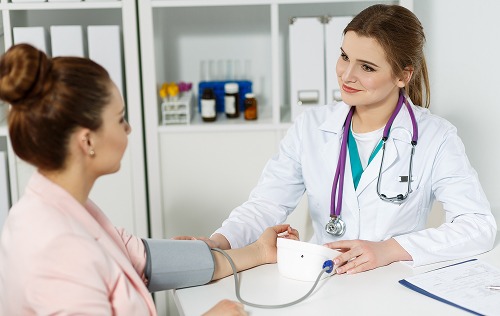
High blood pressure often accompanies elevated blood sugar, and together they contribute to a dangerous condition known as metabolic syndrome. Checking your blood pressure regularly with a home monitor can help you detect concerning patterns early. A normal reading is typically around 120/80 mmHg, though your doctor may set a different target depending on your health condition. Keeping blood pressure in check is not only beneficial for heart health but also reduces the risk of developing diabetes-related complications.
Keeping an Eye on Daily Habits
Lifestyle factors play a huge role in blood sugar management. Recording your daily meals, physical activity, sleep, and stress levels in a journal can reveal hidden triggers. For instance, late-night snacking, sugary drinks, inadequate sleep, or high stress levels can all contribute to elevated glucose. By pairing this journal with glucometer readings, you gain valuable insights into which habits are helping or hurting your health.
Using Technology for Monitoring
Wearable devices and apps can make self-monitoring easier and more effective. Fitness trackers can measure daily steps, active minutes, and heart rate, ensuring that you are meeting the recommended 150 minutes of moderate exercise per week. Some advanced tools, like Continuous Glucose Monitoring (CGM) devices, offer real-time tracking of glucose levels throughout the day. These devices can alert you to sudden spikes or drops, providing a more detailed picture than occasional finger-prick tests. Although more costly, they are especially useful for people at higher risk.
Recognizing Early Warning Symptoms
In addition to numbers, your body often sends signals when blood sugar is high. Common symptoms include unexplained tiredness, frequent thirst, excessive urination, blurred vision, slow-healing wounds, and recurrent infections. Noticing these signs early gives you the chance to take corrective action before the problem worsens.
Prioritizing Sleep and Stress Management
Both poor sleep and high stress can lead to hormonal changes that raise blood sugar levels. Using sleep tracking apps or wearable devices can help you assess whether you are getting enough rest. Likewise, incorporating stress-reducing techniques such as meditation, yoga, or deep breathing exercises can support healthy glucose control. Paying attention to these often-overlooked aspects of lifestyle plays an important role in lowering diabetes risk.
Building Consistency with Home Checks
The real key to effective monitoring is consistency. Occasional checks will not provide enough information to make meaningful changes. Instead, establish a routine that includes daily or weekly blood sugar checks, weekly weight and waist measurements, regular food and activity logging, and monthly blood pressure monitoring. These habits create a clearer overall picture of your health status between HbA1c tests.
When to Seek Professional Help
While at-home monitoring is valuable, it should not replace professional medical guidance. If your readings are consistently high, if symptoms worsen, or if you are unsure about interpreting your data, consult a healthcare provider. In some cases, your doctor may recommend an earlier HbA1c test or additional diagnostic evaluations to ensure your condition is properly managed.
Get an affordable HbA1c test through Abu Bakar Lab now
Conclusion
Monitoring your diabetes risk at home between HbA1c tests gives you the power to take control of your health daily. Simple tools like glucometers, blood pressure monitors, fitness trackers, and lifestyle journals provide critical insights into how your body responds to diet, exercise, sleep, and stress. By recognizing early warning signs and building consistent monitoring habits, you can make proactive changes that reduce your risk of diabetes and its complications. Combined with regular professional checkups, home monitoring ensures a balanced approach to long-term health management.