
How to Maintain Professional Lifeguarding Skills: Staying Sharp, Certified, and Ready to Respond
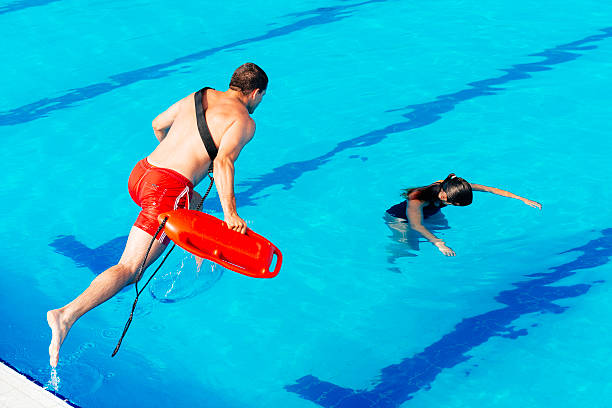
Lifeguarding is not a job you learn once and forget it’s a professional responsibility that requires continuous improvement. If you want to stay effective and confident on duty, learning how to maintain professional lifeguarding skills is essential.
Even experienced lifeguards must regularly refresh CPR, first aid, rescue techniques, scanning habits, and emergency decision-making. Skills can fade over time, and safety standards can change so staying updated protects both you and the people you supervise.
Whether you work at pools, beaches, water parks, or private events, maintaining lifeguarding skills helps you respond faster, stay calm under pressure, and meet employer expectations.
This guide will explain why ongoing practice matters, how to keep your certifications current, what training routines professional lifeguards follow, and how organizations like American Lifeguard USA support lifelong skill development.
Summary
This guide explains how to maintain professional lifeguarding skills through regular practice, recertification, advanced training, and real-world preparedness routines. It covers the importance of skill refreshers (CPR/AED, first aid, rescue techniques, surveillance, spinal injury management, and teamwork communication). You’ll learn what professional lifeguards do to stay sharp, how often certifications should be renewed, and which habits help prevent burnout and skill decline. This article also provides practical tips for ongoing training and building confidence for emergency situations.
Why Maintaining Professional Lifeguarding Skills Matters
Lifeguards protect lives, and emergencies don’t give second chances. Maintaining professional lifeguarding skills ensures you can perform effectively when seconds matter. Even skilled lifeguards can lose speed, confidence, and accuracy if they don’t practice consistently.
Professional lifeguarding isn’t just about swimming ability it includes:
- Prevention through constant surveillance
- Quick and correct rescue decisions
- Clear emergency communication
- Strong CPR and first aid response
- Team coordination during high-pressure incidents
When lifeguards stop practicing, common problems appear:
- Slower reaction time
- Confusion during emergencies
- Weak CPR performance due to lack of repetition
- Poor scanning habits leading to missed warning signs
- Difficulty working as a team during rescues
Maintaining your skills builds trust with your employer and ensures a safer aquatic environment for everyone. It also makes you a stronger candidate for promotions, leadership roles, and advanced lifeguarding assignments.
Professional skill maintenance supports:
• Faster emergency response
• Better victim outcomes
• Stronger teamwork
• Higher confidence on duty
• Consistent safety standards
What to Expect When Maintaining Lifeguarding Skills (Ongoing Training Routine)
Professional lifeguards don’t wait for an emergency to sharpen their skills they train regularly so they’re always ready. Maintaining your lifeguarding skills often involves a combination of:
- Short weekly practice sessions
- Monthly in-service training
- Seasonal refresher courses
- Recertification programs
- Emergency scenario drills
A professional maintenance routine includes both physical fitness and technical training. Lifeguards must stay strong, fast, and confident in the water especially in open-water environments.
Ongoing maintenance training often includes:
- Endurance swimming (laps and timed swims)
- Treading water drills (with and without hands)
- Rescue tube handling and entries
- Sprint-and-recover drills (simulating quick rescues)
- CPR/AED practice with realistic timing
- First aid simulations (bleeding, shock, heat illness)
- Backboard spinal drills
- Team communication exercises
- Emergency Action Plan (EAP) review
Professional lifeguards also practice “mental skills,” including decision-making and calm breathing techniques that help during stressful situations.
A strong ongoing routine makes sure you don’t just remember skills you can perform them smoothly under pressure.
Key Skills to Maintain as a Professional Lifeguard
To remain job-ready, a professional lifeguard must continuously strengthen key lifeguarding areas. Here are the most important categories to maintain:
1) Surveillance and Prevention Skills
Prevention is the lifeguarding responsibility. Professional scanning requires constant focus, not passive watching. Lifeguards should practice:
- Zone coverage scanning
- 10/20 protection rule habits (recognition/response timing)
- Detecting early drowning behaviors
- Recognizing high-risk swimmers (children, weak swimmers, crowded areas)
- Enforcing safety rules professionally
Tip: Practice scanning during quiet shifts too because quiet pools can still hide emergencies.
2) Water Rescue and Victim Handling
Rescue skills must stay sharp to ensure proper speed and victim control. Lifeguards should regularly practice:
- Active victim front and rear rescues
- Passive victim recovery in deep water
- Submerged victim retrieval
- Multiple victim rescue management
- Rescues in crowded conditions
- Safe and effective extractions from water to deck
A professional lifeguard should also remain comfortable with rescue entries such as:
• Compact jump
• Stride jump
• Slide-in entry
• Run-swim techniques
3) CPR, AED, and First Aid Proficiency
CPR and first aid skills are lifesaving. Many emergencies require immediate care even before EMS arrives. Maintaining these skills includes:
- CPR compressions rhythm and depth accuracy
- Rescue breathing effectiveness
- AED placement and safe shock delivery
- Responding to choking incidents
- Bleeding control and wound care
- Heatstroke and dehydration care
- Shock prevention and monitoring
- Asthma, allergic reactions, and seizure response
A professional lifeguard should practice CPR skills frequently because these techniques must be automatic not something you “think through.”
4) Spinal Injury and Back boarding Skills
Spinal injury management is one of the most technical lifeguarding responsibilities. Lifeguards should maintain skills in:
- Stabilizing head and neck in water
- Backboarding procedures in deep and shallow water
- Team coordination and verbal commands
- Safe lifting and carrying to avoid further injury
Practicing spinal drills regularly helps avoid panic during real emergencies and prevents mistakes that could cause permanent harm.
5) Professional Communication and Teamwork
Lifeguards are part of a safety team, so communication must be clear, respectful, and fast. Maintaining professional lifeguarding skills includes improving:
- Whistle signal confidence
- Radio code clarity
- Emergency leadership language
- Incident reporting accuracy
- Patron interaction professionalism
- Team coordination and role clarity
Strong communication ensures faster rescues and fewer mistakes during emergencies.
Lifeguard Recertification: Requirements and Best Practices
One of the most important ways to maintain professional lifeguarding skills is keeping your certification current. Certification renewal ensures:
- You still meet skill standards
- Your CPR/AED knowledge is updated
- Your emergency response remains accurate
- Your credentials are valid for employment
Common recertification steps include:
• Completing a refresher course
• Passing written knowledge tests
• Demonstrating rescue competency
• Completing CPR/AED and first aid evaluations
• Practicing spinal injury rescue scenarios
• Receiving updated certification documentation
Some lifeguards fail recertification not because they lack ability but because they don’t practice consistently. Recertification is easier when you maintain skills throughout the year.
Professional lifeguards often schedule refresher practice every few weeks so the recertification process becomes simple and stress-free.
Training Options That Help Lifeguards Stay Sharp
If you want to stay professional, don’t rely only on recertification. Lifeguards should also pursue extra learning opportunities. Here are training types that help you maintain skills:
1) In-Service Training
Most facilities require lifeguards to attend monthly in-service sessions. These may include:
- Rescue drills
- CPR timing tests
- Scenario practice
- Team response training
- EAP review
2) Advanced Lifeguarding Courses
Advanced courses build stronger rescue performance and leadership skills, such as:
- Waterfront / open-water rescue training
- Lifeguard instructor programs
- Emergency oxygen training
- Supervisory lifeguard training
3) Cross-Training with EMS or Safety Teams
Some lifeguards train alongside security teams, EMT programs, or emergency responders. This improves communication and preparedness, especially for large events and crowded facilities.
Real-Life Scenarios: How Professionals Stay Prepared
The best way to maintain professional lifeguarding skills is through realistic scenario practice. Lifeguards should train for real-world emergencies, including:
Common scenario drills include:
• Active drowning victim during high crowd volume
• Unconscious victim rescue and CPR sequence
• Spinal injury in deep water with backboard extraction
• Multi-victim emergency during a pool event
• Heat exhaustion and dehydration response (outdoor facilities)
• Panic response near slides or wave pools
• Missing child alerts and safety searches
Professional lifeguards also practice “unexpected variables,” such as:
- Poor visibility
- Loud environments
- Fake distractions
- Low staffing situations
- Equipment failure drills
These scenario drills build calmness, confidence, and discipline so lifeguards can perform under real pressure.
Lifeguard Training FAQs (Skill Maintenance Focus)
How often should lifeguards practice skills?
Professional lifeguards should practice basic skills weekly and attend formal in-service training monthly. CPR/AED practice is recommended often because these skills require muscle memory.
What is the best way to maintain CPR and rescue skills?
Repetition is key. Regular short practice sessions are better than waiting months. Many lifeguards also practice with teammates using timed rescue simulations.
What if I feel less confident after time away?
This is common. The best solution is joining refresher courses, practicing rescues, and doing scenario drills. Confidence returns quickly once your skills become automatic again.
Does certification renewal alone maintain professional skill?
Not always. Recertification is important, but it’s not enough unless you practice regularly. True professional readiness comes from continuous training.
Conclusion: Lifeguard Skills Stay Strong Through Consistency
Professional lifeguarding is a responsibility that requires constant readiness. Knowing how to maintain professional lifeguarding skills helps you stay confident, certified, and prepared for real emergencies.
When you practice regularly, attend refresher training, and build strong rescue habits, you don’t just meet the standard you become a lifeguard people can trust.