How to Keep Your Dog Fit and Maintain a Healthy Weight
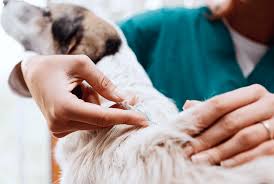
Dogs don’t complain when they gain weight. They don’t step on a scale and decide to eat less. They depend entirely on us. That’s why pet care planning is not just a fancy phrase it’s a responsibility.
Many dog owners think a few walks a week are enough. Others show love through extra treats. Over time, these small habits lead to weight gain, low energy, joint pain, and even serious health issues. The good news? Keeping your dog fit is not complicated. With the right structure, awareness, and small daily actions, you can help your dog live a longer, healthier life.
Why Maintaining a Healthy Weight for Dogs Matters
A healthy weight is more than appearance. It directly affects:
- Joint health
- Heart function
- Energy levels
- Lifespan
- Risk of diabetes
- Breathing quality
Overweight dogs are more likely to develop arthritis, heart disease, and mobility problems. On the other hand, dogs that stay active and lean tend to live longer and happier lives.
Proper pet care planning ensures you don’t leave your dog’s health to guesswork.
Step 1: Understand Your Dog’s Ideal Weight
Every breed has a different healthy range. A Labrador’s healthy weight is very different from a Chihuahua’s. Age also plays a major role.
Instead of guessing, smart pet owners track progress. Tools like a dog weight calculator help determine whether your dog falls within a healthy range based on breed and age. If you’re unsure where your dog stands, using an online tool such as a pet weight calculator can give you clarity before making changes to diet or exercise.
Monitoring weight regularly is one of the simplest yet most powerful dog fitness tips you can follow.
Step 2: Build a Smart Feeding Plan
Food is the biggest factor in weight management.
Portion Control Matters
Many owners accidentally overfeed because:
- They don’t measure food properly
- They give too many treats
- Multiple family members feed the dog
Start measuring every meal. Follow feeding guidelines on the package, but adjust based on your dog’s activity level.
Choose Nutrient-Dense Food
Look for dog food that contains:
- High-quality protein
- Moderate healthy fats
- Limited fillers
- No excessive artificial additives
Avoid feeding too many table scraps. Human food often contains salt, sugar, and fats that are harmful to dogs.
Good pet care planning always includes a consistent feeding schedule and portion tracking.
Step 3: Create a Daily Exercise Routine
Exercise keeps muscles strong and burns excess calories. But not all dogs need the same activity level.
Puppies
- Short bursts of play
- Light walks
- Avoid overexertion
Adult Dogs
- 30–60 minutes of daily exercise
- Brisk walking
- Fetch or interactive games
Senior Dogs
- Gentle walks
- Light mobility exercises
- Shorter but consistent sessions
Consistency is more important than intensity. Even 20–30 minutes daily can make a big difference in maintaining a healthy weight for dogs.
Step 4: Monitor Body Condition, Not Just the Scale
Weight alone doesn’t tell the full story.
Use the Body Condition Score (BCS) method:
- You should feel ribs without pressing too hard
- Waist should be visible from above
- Abdomen should tuck upward from the side
If your dog looks round instead of athletic, it may be time to adjust diet and exercise.
Tracking tools can simplify this process. Many pet owners use online resources to calculate weight benchmarks and age-related changes. For example, tools like those available on PawCalculator.com can help estimate age and weight-related factors, making long-term pet care planning more accurate and organized.
Step 5: Adjust for Age and Life Stage
A common mistake is feeding a senior dog the same way you fed them as a puppy.
As dogs age:
- Metabolism slows
- Activity levels drop
- Calorie needs decrease
Using a dog age calculator helps you understand your pet’s life stage more clearly. Once you know whether your dog is entering senior years, you can adjust portions and exercise accordingly.
Proper pet care planning means adapting to change — not sticking to the same routine forever.
Common Mistakes That Lead to Dog Weight Gain
Even loving owners make these mistakes:
- Free-feeding all day
- Excessive treats during training
- Skipping walks during busy weeks
- Ignoring slow, gradual weight gain
- Assuming indoor play is enough exercise
Awareness is the first step to prevention.
Healthy Treat Alternatives
Treats are important for bonding and training, but moderation is key.
Better options include:
- Small carrot slices
- Apple slices (no seeds)
- Commercial low-calorie training treats
- Using part of the daily kibble as rewards
Limit treats to 10% or less of daily calorie intake.
Make Fitness Fun, Not a Chore
Dogs love engagement. Instead of routine-only walks, try:
- Agility-style backyard setups
- Hide-and-seek games
- Tug-of-war sessions
- Swimming (great low-impact workout)
Mental stimulation also burns energy. Puzzle toys and scent games are excellent additions to your dog fitness tips strategy.
When to Consult a Vet
If your dog:
- Gains weight rapidly
- Struggles to lose weight despite diet changes
- Shows fatigue or mobility issues
It’s time to consult a veterinarian. Sometimes underlying health conditions like thyroid problems contribute to weight changes.
Pet care planning always includes professional guidance when needed.
Building a Long-Term Pet Care Planning Strategy
Here’s a simple structure you can follow:
- Measure food portions daily
- Schedule at least 30 minutes of activity
- Weigh your dog monthly
- Recalculate weight benchmarks as they age
- Adjust feeding plan based on activity level
Consistency beats intensity every time.
Final Thoughts
Keeping your dog fit isn’t about strict rules or extreme routines. It’s about awareness, balance, and small daily actions.
With proper pet care planning, regular exercise, portion control, and smart tracking tools, you can protect your dog from obesity and extend their lifespan. Your dog gives you unconditional love. The least we can do is give them a healthy, active life in return.
Start today. Measure the food. Take that extra walk. Check their weight. Small steps lead to big results