

How to Choose the Perfect Iced Out Rolex – Buyer’s Guide
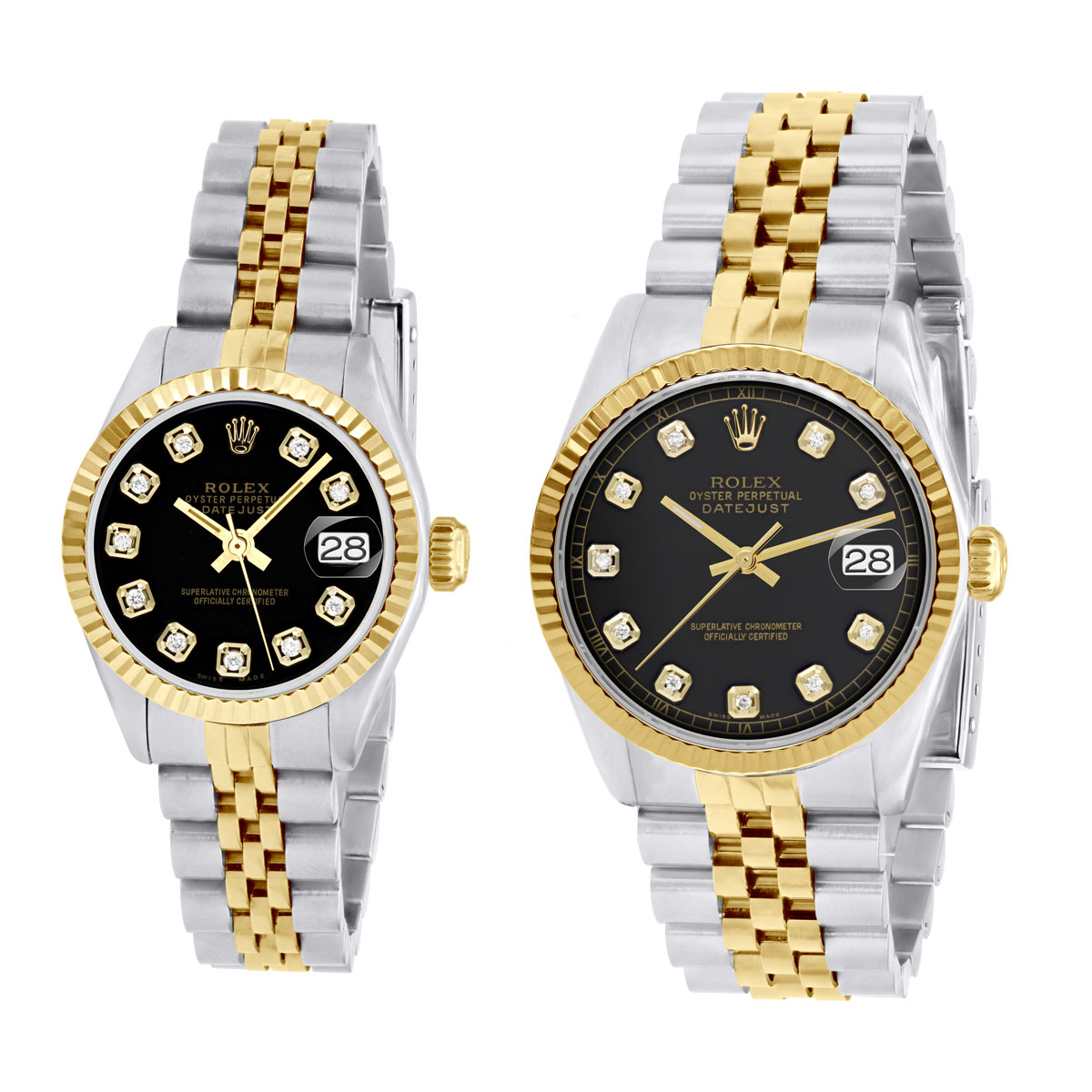
Shopping for an iced-out Rolex is like shopping for a sports car with diamonds glued to it. It’s dramatic, it’s expensive, and if you rush it, you’re going to regret the invoice. This isn’t just “pick a watch, add some ice, live happily ever after.” The choices you make now affect how it looks, how it wears, and how badly your wallet cries later.
This guide will walk you through each step before you commit: which base model actually makes sense, how much ice is too much, what to check with the diamonds and setting, and how to choose a jeweler who won’t turn your flex into a cautionary tale. We’ll also talk about when it’s smarter to look at diamond watch specialists and trusted companies like ItsHot instead of diving blind into your first custom job.
Step 1: Choose the Right Base Watch
First rule of buying an iced-out Rolex: don’t start with the wrong watch. Not every model is a good candidate for a blizzard of diamonds.
If you want a more classic, dressy look, models like the Datejust or Day-Date usually make better canvases. Their smooth bezels, simple dials, and traditional shapes handle diamonds gracefully. If you’re into sportier vibes, certain sport models can work, but be aware that over-icing a tool watch can make it feel… confused. Not every tough diver wants to be in full crystal couture.
Also, think about metal. Yellow and rose gold will always lean into the “loud luxury” vibe, while steel can tone things down a bit (but still hit hard once you add stones). Two-tone can go either way, depending on how the diamonds are laid out.
Step 2: Decide Your Ice Level (Before You Go Overboard)
An iced-out Rolex is not binary. There’s a whole scale between “tastefully frosted” and “walking disco ball.”
Light ice: diamond bezel only, maybe a few markers on the dial. This still looks like a Rolex first, ice second.
Medium ice: bezel plus diamond dial, perhaps a few accents on the lugs. This is where things start to scream “rapper adjacent” in the best way.
Full ice: bezel, dial, case, bracelet, everything. At this point, your watch enters main-character energy territory. Make sure your lifestyle matches that energy, or it’ll feel like wearing a stage costume to the grocery store.
Be honest about how and where you’ll actually wear it. If you’re only going to feel comfortable in full ice at a few events a year, consider dialing it back to something you’ll reach for more often.
Step 3: Pay Attention to the Diamonds (Not Just the Carat Count)
Not all ice is created equal. When you’re looking at an iced-out Rolex, don’t get hypnotized by a single big number for total carat weight. Focus on three things: how the stones look, how they’re matched, and how they’re set.
- Look: Even small diamonds should sparkle, not look cloudy or dead. If the watch looks dull unless it’s under studio lighting, that’s a bad sign.
- Matching: On a bezel or dial, the stones should look consistent in color and brightness. If you can spot random darker or warmer stones, the matching wasn’t done properly.
- Setting: This is the deal-breaker. Stones should sit straight and evenly spaced, with no sharp prongs or gaps. Bad setting work doesn’t just look cheap. It means your diamonds are more likely to go on unplanned solo adventures.
This is where dealing with people who specialize in diamond timepieces really helps. Diamond-forward retailers and trusted companies like ItsHot are used to building and selling heavily set pieces, so they’re less likely to cut corners on tiny but crucial details.
Step 4: Know the Factory vs Aftermarket Trade-Off
If the watch left Rolex with diamonds already installed by the brand, that’s factory-set. If someone else added the diamonds later, that’s aftermarket.
Factory-set:
- Pros: designed and engineered by the brand, keeps its official configuration, is generally better accepted by collectors, and is easier to service.
- Cons: extremely expensive and harder to find, more limited in style options.
Aftermarket:
- Pros: unlimited creativity, more options, often cheaper than buying a comparable factory-diamond model.
- Cons: usually voids the factory warranty, can hurt resale value, and quality depends entirely on who did the work.
If your top priority is long-term value and brand purity, you’ll lean toward factory-set. If your top priority is “I want something wild that looks like nobody else’s,” the aftermarket can be your playground, as long as you go in with eyes open.
Step 5: Choose Your Jeweler Like Your Watch Depends On It (Because It Does)
The most important decision in this whole process isn’t bezel vs bracelet or yellow gold vs steel. It’s who you trust to sell or customize the watch.
Look for a jeweler or dealer who:
- Has proven experience with diamond watches, not just generic jewelry
- Shows clear photos or in-person examples of their setting work
- Is upfront about whether the watch is factory or aftermarket
- Offers documentation for the base watch and, ideally, for the stones
If all they’re offering you is vibe and a blurry video under nightclub lighting, keep walking.
Conclusion
The perfect iced-out Rolex isn’t the one with the most stones. It’s the one that still feels like “you” after the novelty wears off. Get the base watch right, choose an ice level you’ll actually wear, make sure the diamonds and setting hold up under real-world lighting, and work with people who actually know what they’re doing.
Do that, and every time your watch catches the light, you won’t be thinking about resale values or what-ifs, you’ll just be thinking, “Yeah, that was absolutely worth it.”