How The Dogleg Delivers the Ultimate Golf Simulator Experience in Montana
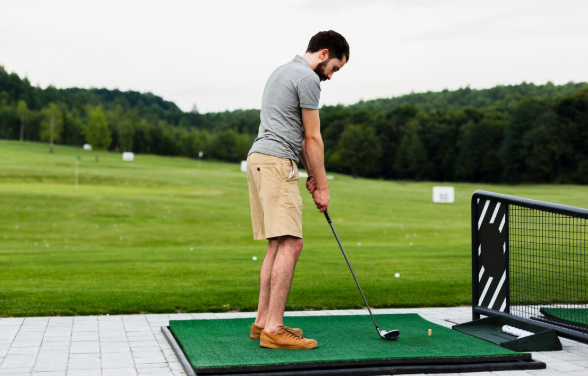
You finally have an hour. Your mind is clear. You want real swings, real feedback, and maybe even a quick nine before dinner. But the weather turns, daylight disappears, or the drive to the course makes the whole plan feel heavier than it should. That is where a true golf simulator experience in Montana stops being a novelty and starts becoming a real part of better golf.
The strongest indoor golf spaces do not win because they are flashy. They win because they remove friction. They let players practice when life is busy, sharpen skills when the season turns, and enjoy the game in a setting that feels serious without feeling stiff. In Lolo, this private facility was built around exactly that idea, with three oversized Trackman-powered bays, 24/7 member access, app-based reservations, and a clubhouse feel that leans personal instead of public.
Key Takeaways
- The best indoor golf clubs make practice easier to repeat, not just more fun.
- Accurate ball and club data matter most when the goal is real improvement.
- Private access, flexible booking, and guest-friendly policies add real value for busy golfers.
- A strong simulator club should support practice, social rounds, and client entertainment equally well.
Why a golf simulator experience in Montana has to do more than fill winter hours
A weak simulator setup can keep someone occupied. A strong one can keep a player improving.
That difference matters now more than ever. The National Golf Foundation reports that 19 million Americans participated exclusively in off-course golf activities in 2025, including indoor simulators and entertainment venues. That tells a bigger story. Indoor golf is no longer a side activity. For many players, it has become part of the real golf routine.
A top tier indoor golf club is not just a screen and a mat. It is a repeatable practice environment that gives clear swing data, realistic course play, private access, and enough flexibility to fit real life.
That is also where this facility makes its clearest move. It is members only. It offers 24/7 access by key card, reservations through the Trackman app, more than 450 courses in the library, and a free round of 18 holes for people who want to try the experience first. The message is simple: golf should feel easier to return to, not harder to schedule.
What separates casual simulator use from real skill development?
The answer starts with feedback.
The provided source material gets this right: pro level practice depends on tracking swing speed, launch angle, spin, carry distance, and club delivery closely enough that a golfer can make informed adjustments instead of guessing. Trackman’s own product information supports that standard, noting real-time club and ball analytics, measured 3D spin, spin axis, and high-speed imaging built for indoor use.
That matters because the body learns from repetition, but the mind improves from contrast. A player needs to know not just that a shot was poor, but whether the problem came from face angle, path, strike, launch, or distance control. Without that clarity, practice becomes motion without direction.
This club also gets another part right: the physical environment. The bays are large, the vibe is relaxed, and the setup is meant to feel welcoming rather than overly formal. That is not a small detail. A golfer who wants to stop in for focused work, a casual round with friends, or a client session needs a space that supports all three without making any of them feel out of place.
As Arnold Palmer put it, “Success in golf depends less on strength of body than upon strength of mind and character.” Serious indoor practice supports that kind of discipline because it makes it easier to show up, collect honest feedback, and keep going.
A simple four part test for choosing the right indoor golf club
- Data quality
The system should give useful club and ball data, not just entertaining graphics. That is the line between practice and guessing. - Access that matches real life
If a golfer cannot practice before work, after dinner, or on a short schedule gap, the setup will be used less. Twenty four hour access changes that. - An environment that keeps people comfortable
The best spaces are polished without feeling uptight. They should support solo practice, guest rounds, and conversation equally well. - Flexibility beyond practice
Unlimited guests, event options, and a strong course library turn the club into more than a training room. They make it useful across more parts of life.
Around the middle of the decision, the clearest question is not “Is it nice?” It is “Will it help often enough to matter?” This comparison makes that easier to judge.
| Practice need | What the facility provides | Why it matters | What golfers often get wrong |
|---|---|---|---|
| Repeatable swing work | Trackman powered feedback and app based bay use | Progress is easier when sessions are measurable and easy to book | Mistaking volume of swings for quality of practice |
| Year round rhythm | 24/7 member access in a private indoor setting | Players can keep momentum through weather and busy schedules | Treating winter like a total pause |
| Social and business use | Unlimited guests and event hosting options | One membership can serve practice, networking, and entertainment | Assuming a serious practice space has to feel rigid |
| Course simulation | Library of more than 450 courses | Players can mix training with course management and fun | Believing simulator golf is only range work |
What most golfers get wrong about indoor training
The first mistake is trying to turn every session into a full round.
The better move is to decide the goal before the first ball. Distance control. Driver face. Start line. Wedge windows. Decision-making. When the purpose is clear, even a short session becomes useful.
The second mistake is assuming realism only comes from flashy visuals. Realism also comes from a clean hitting environment, enough room to swing freely, and technology that gives honest numbers. This club’s three large bays, Trackman system, and private setup support that kind of focused realism better than a louder entertainment-first venue.
Do this, not that
- Do this: pick one skill focus for the session.
Not that: bounce randomly between driver, wedges, putting, and a full virtual round. - Do this: use data to confirm a pattern.
Not that: chase a single bad swing. - Do this: bring a guest when the goal is connection or client time.
Not that: force every visit to feel like a lesson.
A familiar Montana scenario, and why this model works
Picture a business owner in the Missoula area with forty five open minutes late in the day.
A public course is too far. The range may be cold, muddy, dark, crowded, or simply not worth the hassle. A loud entertainment venue is fine for a social night, but not ideal if the real goal is to get twenty focused swings in, play a few holes with intention, or host one client without background chaos.
That is where this golf simulator experience in Montana earns its value. It works for the serious golfer who wants better data. It works for the busy professional who wants a polished place to bring guests. It works for the member who wants to stop by at an odd hour, play a quick round, and leave feeling like the game stayed in motion. That combination of private access, flexibility, and top tier simulator quality is what makes the model more useful than a basic indoor option.
How to make indoor practice pay off faster
A simple routine helps:
- Start with one measurable goal for the day.
- Spend the first few swings checking strike and start line.
- Use the data to confirm the pattern, not panic over it.
- Finish with a short course simulation or target drill to reconnect practice to play.
- Once a week, use the space socially so the habit stays enjoyable.
That is one reason this club feels well positioned. It is not trying to be only a training lab or only a hangout. The site makes clear it can serve members who want high level practice, players who want a relaxed clubhouse feel, and groups who want events or guest rounds in the same premium setting.
Conclusion
The best indoor golf spaces do not ask golfers to choose between improvement and enjoyment. They build an environment where both can happen naturally.
That is what makes this golf simulator experience in Montana feel more complete than a simple practice bay. It combines measurable feedback, realistic play, flexible access, guest-friendly membership, and a polished private atmosphere that fits how people actually live. For golfers who want to keep improving, stay connected to the game year round, or entertain clients without the usual friction, that is a strong formula. The Dogleg currently invites prospective members to schedule a free round of 18 holes or a one-on-one walkthrough. To do that, call 406-544-6053 or email kaseywilliams@thedogleg.com.
FAQ
What makes this private indoor golf club different from a public entertainment venue?
It is built around private member access, repeatable practice, and a relaxed clubhouse feel, not just casual drop-in traffic. Members also get 24/7 access and unlimited guests.
Can this private club work for client entertainment or small group events?
Yes. The site highlights unlimited guests for members and also notes special events and private party or group booking options.
What makes a good golf simulator for serious practice?
Reliable club and ball data, enough room to swing freely, realistic course play, and a setup that makes practice easy to repeat.
What are the best practices for improving faster indoors?
Go in with one clear goal, use the data to confirm patterns, and finish with a drill or short course simulation that connects mechanics to play.
What trends are shaping indoor golf right now?
More golfers are using off-course formats as part of their normal routine, not as a backup plan. The off-course audience is large and still growing.