
How Modern Housing Projects Are Bringing Nature Into Urban Living
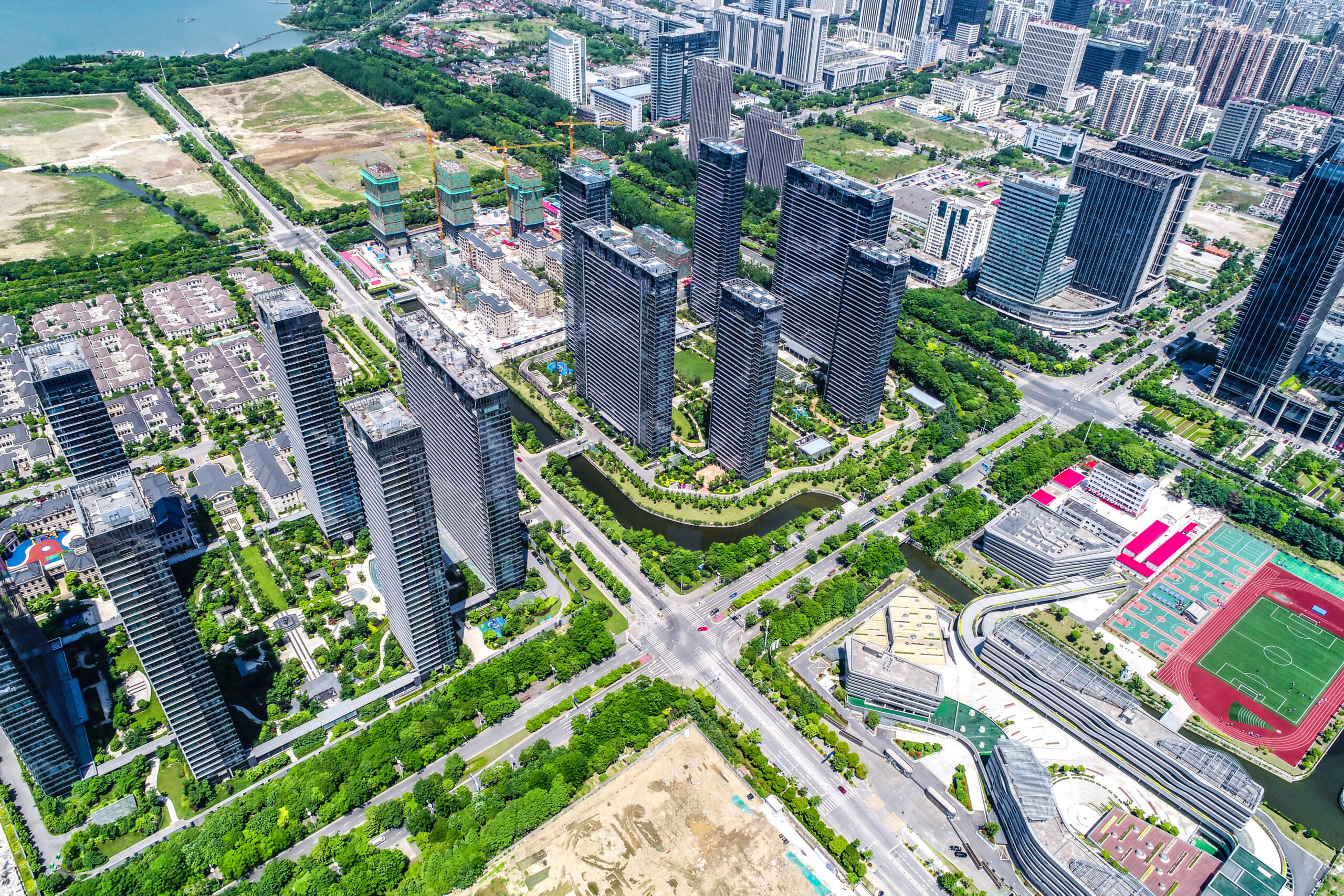
City living provides connectivity, convenience, and access to many amenities. However, it often comes at the expense of open spaces, limited fresh air, and tranquillity. As a result, more homebuyers now look for residences that offer a closer connection to nature within urban settings.
This shift is influencing new residential developments to prioritise greenery as an essential part of daily living, rather than treating it as an afterthought.
Designing Homes Around Green Spaces
Many new projects now focus on greenery in their designs rather than adding small landscaped areas after construction. Features such as open lawns, tree-lined roads, and garden-facing apartments are increasingly common in well-planned communities.
This approach changes how residents experience their environment. Rather than seeing only buildings, they wake up to greenery, walk along shaded paths, and enjoy open, uncrowded spaces. These features enhance daily life without requiring major adjustments.
Bringing Back Everyday Outdoor Living
Urban routines often limit time for outdoor activities. With long commutes and busy schedules, most city residents spend much of their day indoors. Modern housing projects, such as Wildernest by Shapoorji Pallonji Real Estate, address the problem by making outdoor spaces more usable, inviting, and accessible.
Residential layouts now include dedicated walking tracks, sit-out zones, and quiet corners for reading or relaxing. These features, along with aesthetic enhancements, also encourage residents to spend time outdoors, even for short breaks.
Natural Light and Ventilation as Priorities
Another significant shift is the increased focus on natural light and airflow. Previously, many apartments depended almost entirely on artificial lighting and ventilation. Now, layouts are designed to improve cross-ventilation and maximise natural daylight in every room.
Large windows, open balconies, and well-spaced towers make homes feel more open and reduce the need for artificial cooling, improving comfort and supporting energy efficiency.
Sustainability That Fits Into Daily Life
Eco-friendly living has become more applicable in residential projects. Instead of complex systems that residents rarely use, developers focus on solutions that operate seamlessly in the background.
Projects now integrate rainwater harvesting, solar-powered common areas, and improved waste management systems. This approach combines sustainability with convenience, allowing residents to benefit without additional effort.
Spaces That Build a Sense of Community
Nature-focused planning also shapes resident interactions. Open green areas, gardens, and shared outdoor zones naturally bring people together. Children have safer spaces to play, and families spend more time outdoors rather than remaining indoors. This creates a sense of community, which is often missing in dense urban settings.
Projects with shared green spaces balance privacy and interaction, giving residents opportunities to engage without feeling crowded.
A More Balanced Way of Living
What distinguishes these modern developments is not just the presence of greenery but also the way it is thoughtfully integrated into daily routines. Residents enjoy morning walks within the complex, quieter evenings, and homes that remain connected to the outdoors.
These developments demonstrate that even within a city, it is possible to create living environments that are calmer, healthier, and more connected to nature.
Conclusion
Urban living does not require giving up nature. As modern housing projects develop, there is a clear effort to restore balance from some of the best real estate companies through their projects. Every aspect, from design and planning to sustainability and community spaces, strives to create a more livable experience.
With projects like Wildernest, this shift is clear as nature becomes an integral part of daily life. For today’s homebuyers, this distinction is significant.