How Lenovo Motherboards Are Adapting to the AI-PC Era
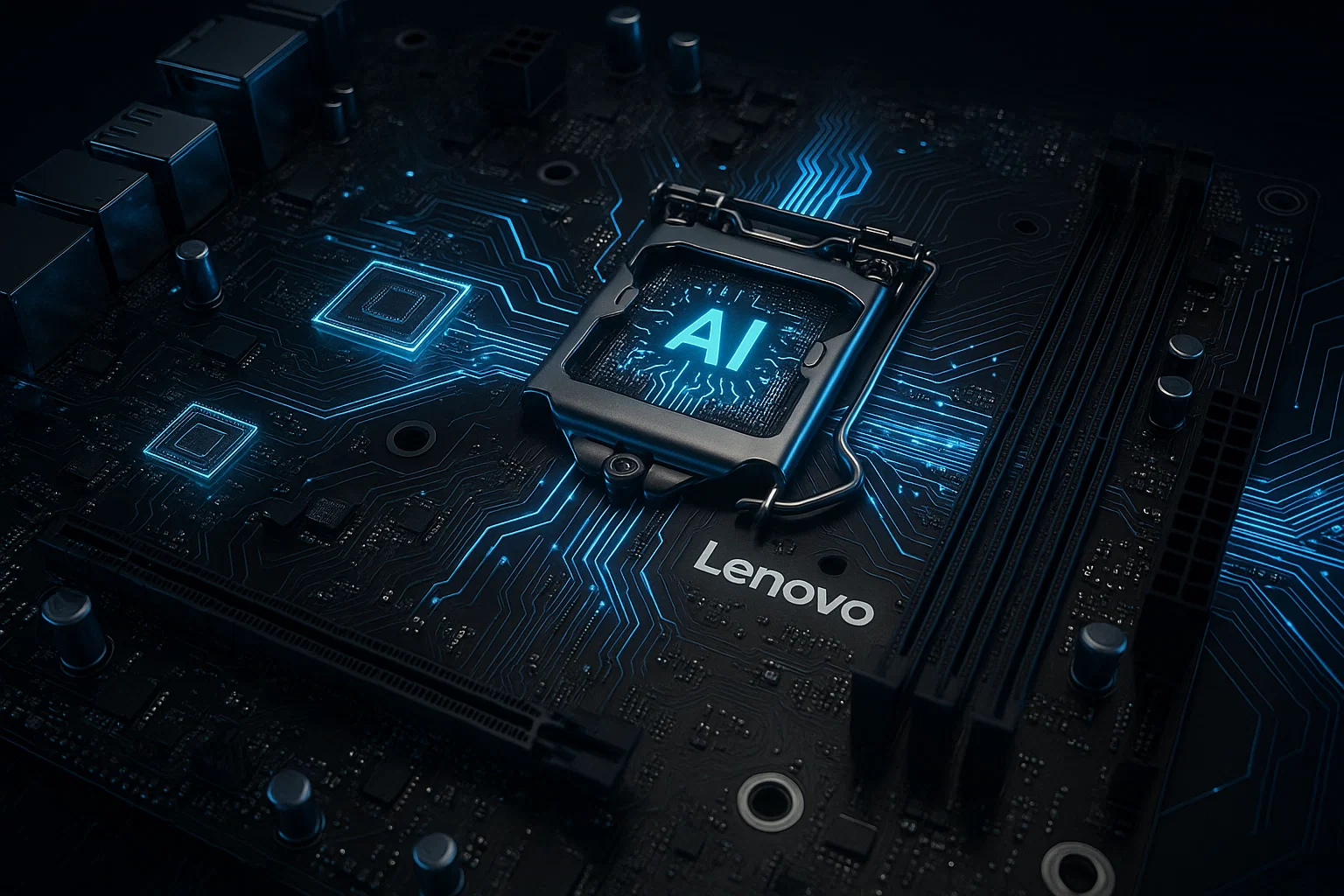
As artificial intelligence continues to reshape the computing landscape, the backbone of every powerful PC, the motherboard, is undergoing a quiet revolution. Lenovo, one of the world’s most trusted technology brands, is at the forefront of this transformation. With the rise of AI-enabled applications, gaming demands, and data-driven workloads, Lenovo motherboards are evolving to meet the unique challenges of the AI-PC era.
This article dives into how Lenovo motherboards are embracing innovation, integrating AI capabilities, and redefining what performance and intelligence mean in modern computing.
The AI-PC Revolution: A New Age of Intelligent Computing
Artificial Intelligence is no longer a futuristic concept; it’s already embedded in daily digital experiences. From voice recognition to real-time data analytics, AI-driven systems rely on high-performance computing power and efficient hardware coordination.
Lenovo has anticipated this shift, integrating intelligent design into its core motherboard architecture. Unlike traditional boards that merely act as a communication hub for PC components, Lenovo motherboards are now optimized to support machine learning tasks, predictive computing, and adaptive performance management – essential features for today’s AI-enhanced PCs.
With AI-enabled chips and advanced neural processing integration, Lenovo’s latest motherboards make it possible for everyday users, professionals, and creators to experience machine learning at the desktop level.
Lenovo Motherboards and the Power of Next-Gen Chipsets
One of the most notable ways Lenovo motherboards are adapting to the AI-PC era is through their support of next-generation chipsets and processors.
Lenovo’s design teams work closely with major CPU manufacturers like Intel and AMD to ensure compatibility with cutting-edge AI features. The latest Lenovo motherboards are built around chipsets that include native AI acceleration, allowing for real-time workload distribution and smart resource allocation.
This means users can run AI-driven software, from video editing tools to generative design platforms, with improved responsiveness and reduced latency. Lenovo motherboards also feature optimized PCIe 5.0 lanes and DDR5 memory support, ensuring lightning-fast data transfer speeds that are crucial for AI applications requiring massive datasets and parallel computing.
Enhanced Thermal Design: Cooling the AI Powerhouse
AI workloads demand immense processing power, and with great power comes great heat. Lenovo has tackled this challenge through innovative thermal engineering in its motherboards.
The latest Lenovo motherboards are designed with intelligent heat dissipation systems, featuring extended heatsinks, advanced airflow channels, and smart fan control algorithms. These features are guided by embedded sensors that adjust cooling dynamically based on the system’s real-time temperature and usage patterns.
This adaptive cooling ensures stable performance even during intensive AI computations, keeping both the CPU and GPU at optimal temperatures while minimizing noise levels.
For creators and developers who rely on uninterrupted computing sessions, this innovation delivers the perfect balance between performance and efficiency.
Smarter Power Delivery and Energy Efficiency
In the AI-PC era, efficiency is just as important as performance. Lenovo motherboards incorporate advanced power delivery systems designed to intelligently distribute energy across the CPU, GPU, and RAM.
Using high-quality digital VRMs and AI-assisted voltage regulation, these boards automatically adjust power output to optimize both performance and sustainability. This not only enhances system stability under heavy loads but also reduces energy waste – an essential step toward greener computing.
Additionally, Lenovo’s BIOS software provides users with detailed power profiles, enabling fine-tuned control over system performance based on personal or professional needs.
Whether you are training AI models, editing 4K video, or gaming, Lenovo motherboards ensure that every watt counts.
AI-Powered System Optimization and Predictive Maintenance
What sets Lenovo motherboards apart in the AI-PC era is their integration of predictive technologies and self-optimization features.
Through embedded AI algorithms, Lenovo motherboards can analyze system usage patterns and automatically optimize configurations for peak efficiency. For instance, they can adjust CPU frequencies, fan speeds, and memory timings depending on real-time workload demands.
Moreover, Lenovo’s AI-assisted diagnostics predict potential hardware failures before they occur. This proactive approach to maintenance ensures longevity and reliability, reducing downtime for businesses and individuals alike.
In corporate environments where system reliability is critical, this level of intelligent foresight is a major advantage.
Connectivity for the Future of AI Workflows
AI-powered systems depend heavily on fast and reliable data connectivity. Lenovo motherboards come equipped with a robust array of connectivity options tailored for next-generation computing.
From Thunderbolt 4 and Wi-Fi 7 to high-speed M.2 NVMe slots, Lenovo ensures that every motherboard supports rapid data exchange and peripheral compatibility. These features enable smooth communication between AI accelerators, GPUs, and cloud systems – all crucial components in AI workflows.
Additionally, built-in networking AI tools monitor data transfer performance and automatically prioritize critical tasks, ensuring consistent speeds for high-demand users.
This forward-thinking approach to connectivity ensures Lenovo’s motherboards remain future-proof as the demands of AI computing continue to evolve.
Security and Firmware Innovation in Lenovo Motherboards
With the growth of AI and data-intensive operations, cybersecurity has become more vital than ever. Lenovo motherboards are now built with security-first architectures that integrate AI-based firmware protection.
These systems can detect abnormal activity, unauthorized access attempts, and potential malware at the hardware level before the operating system even boots. Lenovo’s ThinkShield technology, for example, provides enterprise-grade security controls embedded directly into the motherboard, safeguarding sensitive data and preventing tampering.
This enhanced hardware security gives users peace of mind in an era where cyber threats are constantly evolving.
Customization and Scalability for AI Enthusiasts
AI development often requires flexibility and expandability – and Lenovo has designed its motherboards with that in mind.
From modular storage options to support for multiple GPUs, Lenovo motherboards allow users to scale their systems as their AI workloads grow. BIOS-level customization options let users tweak system parameters, overclock safely, and fine-tune AI acceleration settings for optimal results.
Whether you’re building a compact AI workstation or a high-end research rig, Lenovo provides the adaptability needed to keep pace with rapid technological progress.
How Lenovo Is Shaping the Future of AI-Ready PCs
Lenovo isn’t just producing hardware; it’s shaping an ecosystem for the AI-PC era. Through continuous innovation, the company is integrating AI into every level of its computing infrastructure – from consumer-grade motherboards to enterprise servers.
Its focus on reliability, smart design, and intelligent software integration ensures that Lenovo motherboards will continue to be the backbone of AI innovation for years to come.
For users looking to future-proof their systems, exploring Lenovo Motherboards for sale is an investment in performance, efficiency, and long-term reliability.
Conclusion
As artificial intelligence continues to transform how we interact with technology, Lenovo’s approach to motherboard design exemplifies what the AI-PC era demands: intelligence, adaptability, and dependability.
Through AI-powered optimization, enhanced cooling, efficient power management, and secure firmware, Lenovo motherboards stand as the foundation of a new generation of computing devices – ones that think, adapt, and evolve alongside their users.