

How Is Chatbot Development Driving Business Growth?
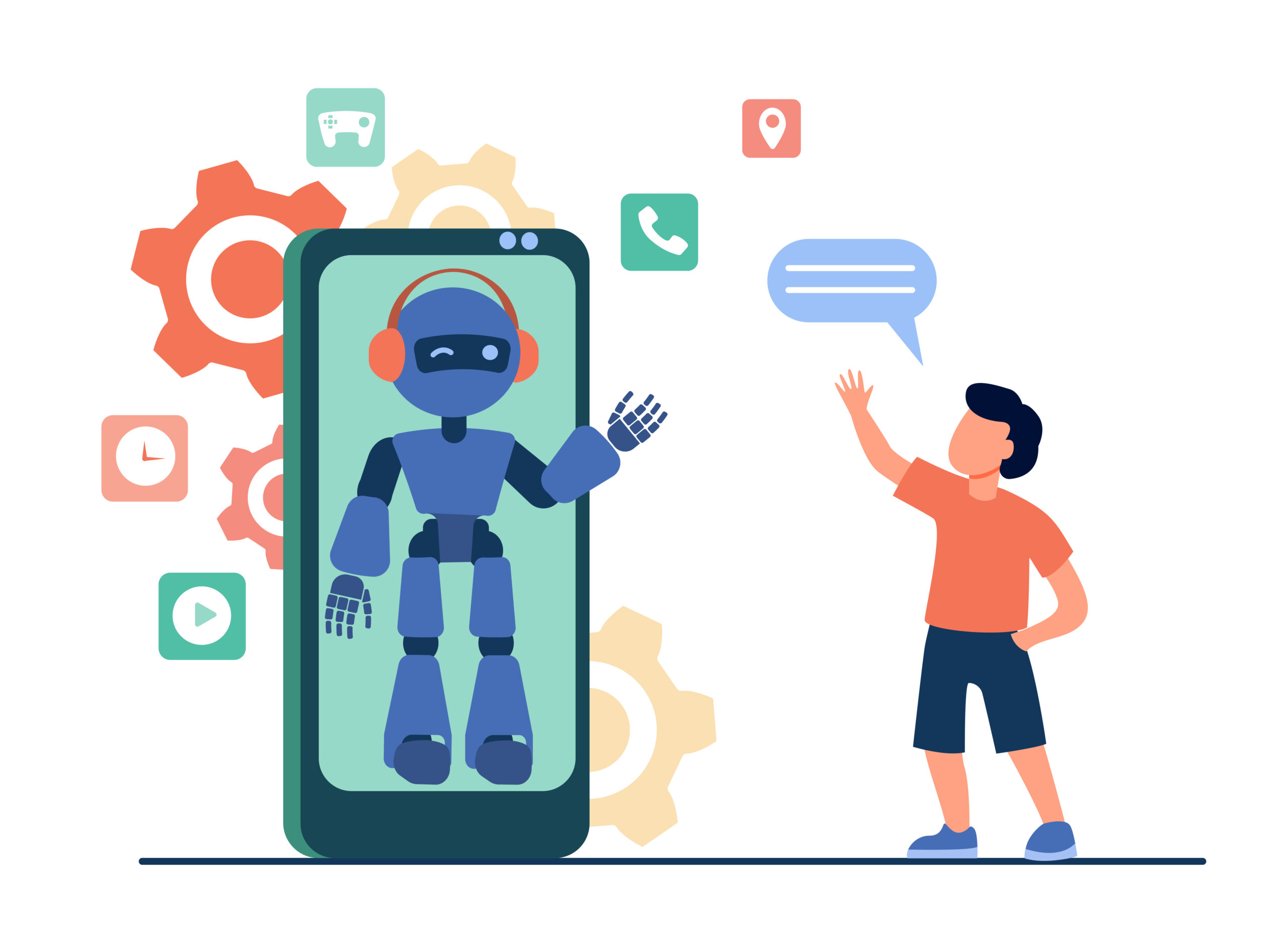
Businesses face increasing demands for faster customer service and more efficient operations. Chatbots have become a key tool in meeting these needs. These automated conversational agents handle many tasks once performed by humans, freeing up resources and improving user experience. Let’s examine how chatbot development actively fuels business growth across various sectors.
What Makes Chatbots Essential for Modern Businesses?
Chatbots operate 24/7, providing instant responses to customer inquiries. This constant availability improves customer satisfaction by reducing wait times. By automating routine tasks, chatbots allow human employees to focus on more complex activities, increasing overall productivity.
A reputable chatbots development company plays a vital role in creating intelligent, efficient bots tailored to a business’s specific needs. Additionally, chatbots collect data during conversations. This information helps businesses adjust their services and marketing efforts to match customer preferences. With ongoing improvements in artificial intelligence (AI) and natural language processing (NLP), chatbots understand and respond to a wider range of questions, making interactions feel more natural and helpful.
How Chatbots Boost Sales and Revenue
Increasing sales and revenue remains a top priority for businesses. Chatbots play a crucial role in attracting and converting customers efficiently.
Lead Generation and Qualification
Chatbots engage website visitors immediately, answering questions and guiding potential customers through the sales funnel. By asking targeted questions, chatbots identify prospects who show genuine interest. They can schedule follow-up calls or send product recommendations based on user input.
This proactive approach increases conversion rates by keeping visitors engaged and reducing bounce rates. Businesses see faster lead qualification and fewer lost opportunities.
Upselling and Cross-Selling
During conversations, chatbots suggest complementary products or premium services based on customer preferences. This technique raises the average order value without pressuring buyers, creating a positive shopping experience that encourages repeat purchases.
Reducing Cart Abandonment
Shopping carts often get abandoned due to confusion or distractions. Chatbots jump in to remind customers about unfinished purchases and offer help with payment or product details. These timely interventions recover lost sales that might otherwise disappear.
Enhancing Customer Service Efficiency
Customer service teams face constant pressure to respond quickly and accurately. Chatbots help manage this demand by handling routine tasks and easing workloads.
Handling High Volumes of Queries
Customer support teams often get overwhelmed during peak times. Chatbots manage simple queries instantly, such as checking order status, booking appointments, or providing FAQs. This reduces wait times and prevents frustration.
Offering Consistent Support
Unlike human agents, chatbots do not get tired or distracted. They provide uniform responses, ensuring every customer receives accurate and helpful information. Consistency builds trust and strengthens brand reputation.
Reducing Operational Costs
Automating repetitive tasks cuts down the need for large customer service teams. Companies save on hiring, training, and salary expenses. The savings can be redirected toward innovation and business development.
Driving Efficiency in Internal Processes
Chatbots don’t just improve external communications—they boost internal operations as well. Many businesses deploy chatbots to assist employees by answering HR-related questions, managing schedules, or providing quick access to company policies.
This reduces time wasted on administrative tasks and improves employee productivity. Faster access to information leads to smoother workflows and quicker decision-making.
Supporting Marketing Efforts
Marketing teams benefit greatly from chatbots by reaching customers more effectively and maintaining constant engagement. Here’s how chatbots contribute to marketing success.
Delivering Timely Campaigns
Chatbots can send targeted messages to users based on their behavior or preferences. They remind customers about sales, promotions, or new product launches directly through messaging platforms. This immediate communication drives higher engagement rates.
Gathering Customer Feedback
Following a purchase or interaction, chatbots request feedback through short surveys. This real-time insight helps businesses adjust marketing strategies and improve product offerings.
Boosting Social Media Presence
Integrated chatbots respond to inquiries on social media channels, increasing brand visibility and interaction. Prompt replies on these platforms encourage positive reviews and strengthen community relations.
Industry Examples Showing Chatbot Impact
Businesses across various industries have experienced significant benefits from chatbot implementation. Let’s look at how chatbots drive growth in key sectors.
E-commerce
Online stores leverage chatbots to handle large customer bases with minimal staff. Chatbots assist with product recommendations, order tracking, and returns, improving shopping convenience. This leads to higher customer retention and lifetime value.
Banking and Finance
Chatbots assist customers with routine transactions like balance checks, fund transfers, and bill payments. By automating these tasks, banks reduce branch visits and call center loads. Customers enjoy fast, secure service without waiting.
Healthcare
Medical providers use chatbots for appointment scheduling, symptom checking, and medication reminders. These automated interactions lower administrative burdens while ensuring patients receive timely care.
Travel and Hospitality
Travel agencies and hotels deploy chatbots to answer queries about bookings, destinations, and cancellations. Quick responses enhance customer confidence and drive bookings, especially during peak travel seasons.
Future Trends in Chatbot Development
Advancements in AI continue to improve chatbot capabilities. Voice recognition and multilingual support allow businesses to reach broader audiences. Integration with other technologies like virtual assistants and IoT devices creates new interaction opportunities.
As chatbots evolve, businesses will gain even more tools to increase efficiency and deepen customer engagement.
Conclusion
Chatbot development directly contributes to business growth by improving customer service, boosting sales, cutting operational costs, and supporting marketing efforts. Companies that adopt chatbot technology position themselves to meet customer expectations faster and operate more efficiently. Investing in chatbot solutions offers a clear path to staying competitive in today’s dynamic market.