How Generator Rewinding Services Improve Performance and Extend Equipment Life
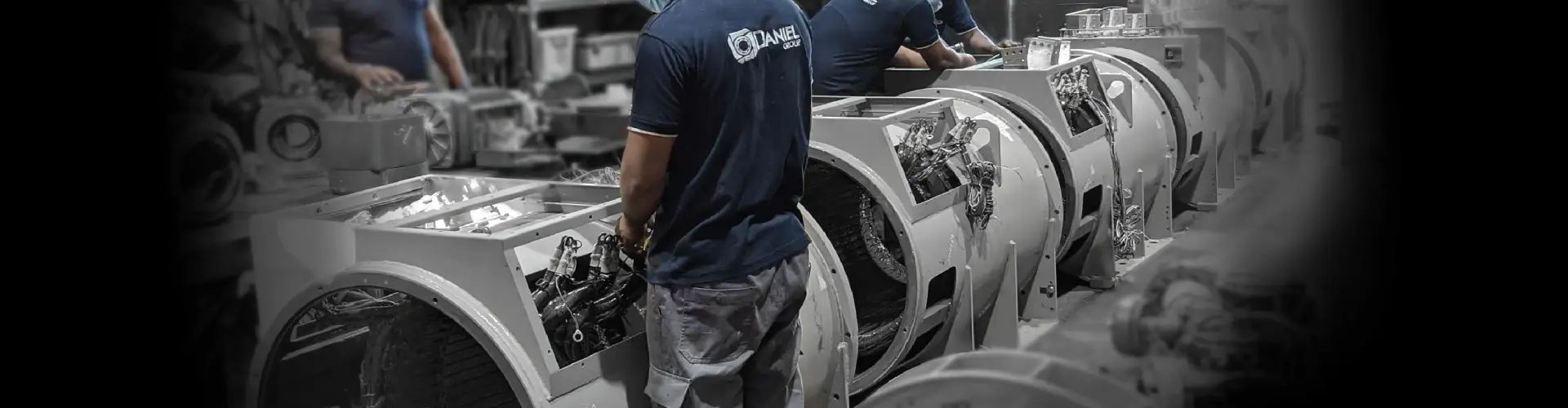
Generator maintenance is a critical function in industries where uninterrupted power is essential for operations. From oil and gas facilities to marine fleets and manufacturing plants, generators are not just backup systems—they are integral to daily production and safety.
In practical terms, generator maintenance involves more than routine inspection. It includes performance monitoring, fault diagnosis, and timely servicing to prevent unexpected failures. One of the most effective methods within generator service and maintenance is generator rewinding services, which restore electrical efficiency and extend the operational life of the equipment.
For companies operating in demanding environments such as the UAE and GCC, proactive generator servicing is essential. High temperatures, dust exposure, and continuous load cycles place additional stress on generator components. Without proper maintenance, these factors can lead to insulation failure, reduced efficiency, and costly downtime.
Why Generator Maintenance is Critical for Continuous Operations
Impact on Industrial Performance
In sectors such as oil and gas, marine, and utilities, generator failure can halt operations immediately. A power disruption in these industries affects not only productivity but also safety and compliance. Maintenance teams rely on consistent generator performance to ensure continuity.
Cost Implications of Poor Maintenance
Neglecting generator maintenance leads to:
- Increased repair costs due to major failures
- Reduced equipment lifespan
- Higher energy consumption from inefficient systems
- Emergency repair expenses and downtime losses
A structured generator maintenance program helps mitigate these risks by identifying issues early and addressing them before they escalate.
What Are Generator Rewinding Services and When Are They Required?
Generator rewinding services involve replacing damaged or worn-out electrical windings in the generator’s stator or rotor. This process restores the generator’s ability to handle electrical loads efficiently.
Key Components Involved in Generator Rewinding
- Stator Windings: Responsible for generating electrical output
- Rotor Assembly: Supports magnetic field generation
- Insulation Systems: Protect windings from heat and electrical stress
Role of Insulation Systems in Generator Performance
Insulation is a critical element in generator maintenance. In high-temperature environments, insulation materials degrade over time, leading to short circuits or winding failures. Modern rewinding techniques use high-grade insulation materials designed to withstand heat, dust, and moisture.
Common Causes of Generator Winding Failure
- Overheating due to excessive load
- Dust accumulation affecting cooling systems
- Moisture ingress leading to insulation breakdown
- Poor maintenance practices
Identifying these causes early through generator servicing can prevent major failures.
How Generator Rewinding Services Improve Generator Performance
Restoring Electrical Efficiency Through Rewinding
When windings degrade, electrical losses increase, resulting in reduced efficiency. Generator rewinding services restore the original electrical characteristics, allowing the generator to operate at optimal efficiency.
Improving Load Handling and Voltage Stability
Rewound generators can handle fluctuating loads more effectively. This is particularly important in industries where power demand varies frequently. Stable voltage output ensures consistent operation of connected equipment.
Reducing Risk of Unexpected Breakdowns
Regular generator maintenance combined with rewinding reduces the likelihood of sudden failures. By addressing internal faults, maintenance teams can ensure reliable performance under demanding conditions.
Signs Your Equipment Needs Generator Servicing or Rewinding
Early Warning Indicators
- Excessive heat during operation
- Unusual vibrations or noise
- Reduced power output
- Frequent tripping or shutdowns
Operational Scenarios Where Failure Occurs
Generators operating in dusty or high-temperature environments are more prone to failure. For example, continuous operation without adequate maintenance can lead to insulation damage, resulting in winding failure.
Recognizing these signs early allows for timely generator servicing and avoids costly downtime.
Step-by-Step Generator Rewinding Process
Initial Inspection and Electrical Diagnostics
The process begins with a detailed inspection to identify faults. Electrical tests are conducted to assess insulation resistance, winding condition, and overall performance.
Coil Removal and Rewinding Process
Damaged coils are carefully removed and replaced with new windings. Precision techniques are used to ensure proper alignment and electrical balance.
Reassembly, Testing, and Performance Validation
After rewinding, the generator is reassembled and tested. Performance tests ensure that the generator meets operational standards and delivers reliable output.
Generator Maintenance vs Generator Replacement: Technical Decision Guide
Cost Comparison and Downtime Impact
| Option | Cost | Downtime | Outcome |
| Rewinding | Lower | Shorter | Restored performance |
| Replacement | Higher | Longer | New equipment |
When Rewinding is the Better Option
Rewinding is often preferred when:
- The generator structure is intact
- Damage is limited to windings
- Cost efficiency is a priority
Generator maintenance strategies should always evaluate the condition of the equipment before deciding on replacement.
Environmental Challenges Affecting Generator Maintenance in UAE
Impact of Heat, Dust, and Humidity
Generators operating in the UAE face extreme conditions. High temperatures accelerate insulation wear, while dust accumulation affects cooling systems. Humidity can also contribute to corrosion and electrical faults.
Preventive Measures Through Scheduled Generator Servicing
- Regular cleaning to remove dust buildup
- Thermal monitoring to detect overheating
- Scheduled inspections to assess insulation condition
These measures are essential for maintaining generator performance in harsh environments.
Industry Applications of Generator Service and Maintenance
Oil & Gas and Offshore Operations
Continuous power supply is critical in oil and gas operations. Generator maintenance ensures reliability under heavy load conditions.
Marine and Fleet Power Systems
Marine generators are exposed to saltwater and vibration. Regular servicing helps prevent corrosion and mechanical wear.
Manufacturing and Utilities
In manufacturing plants, generators support production lines. Any disruption can lead to significant losses, making maintenance essential.
Benefits of In-House Generator Rewinding Services
Faster Turnaround for Critical Repairs
In-house capabilities allow for quick response and reduced downtime, which is crucial for industries with tight schedules.
Quality Control Under One Roof
Handling all processes internally ensures consistent quality and adherence to standards.
Consistent Service Delivery for Long-Term Clients
Reliable service builds long-term relationships and ensures operational continuity.
Cost Factors in Generator Maintenance and Rewinding Services
What Influences Generator Servicing Costs
- Generator size and capacity
- Extent of damage
- Type of insulation materials used
Long-Term ROI of Preventive Maintenance
Investing in generator maintenance reduces long-term costs by preventing major failures and extending equipment life.
Best Practices for Effective Generator Maintenance
Scheduled Maintenance Planning
Regular maintenance schedules help identify issues early and maintain consistent performance.
Predictive Maintenance Techniques
Using monitoring tools and diagnostics allows maintenance teams to detect potential failures before they occur.
Reliable performance starts with expert care
Generator maintenance is a long-term investment in operational efficiency and reliability. By integrating generator rewinding services into a structured maintenance strategy, businesses can reduce downtime, improve performance, and extend equipment life.
Daniel Group – Your trusted partner in generator maintenance for reliable, high-performance operations.
Frequently Asked Questions About Generator Maintenance
1. How often should generator maintenance be performed?
Generator maintenance should typically be carried out every 3 to 6 months, depending on usage and operating conditions.
2. What is included in generator servicing?
Generator servicing includes inspection, cleaning, testing, and performance evaluation of key components such as windings, insulation, and cooling systems.
3. How do generator rewinding services extend equipment life?
Generator rewinding services restore electrical efficiency, reduce internal losses, and prevent further damage, thereby extending the lifespan of the equipment.
4. What are the risks of delaying generator maintenance?
Delaying maintenance can lead to insulation failure, overheating, unexpected breakdowns, and increased repair costs.
5. How long does generator rewinding take?
The duration depends on the size and condition of the generator, but it typically takes a few days to complete.
6. Is rewinding suitable for all generators?
Rewinding is suitable when the core structure is intact and the damage is limited to the windings. A detailed inspection is required to determine feasibility.