


How Does Switchable Glass Film Work to Control Light and Privacy?

In today’s modern world, privacy, comfort, and energy efficiency are more important than ever before. Whether it’s a home, office, hospital, or hotel, people are looking for smarter ways to control their space. One of the most innovative solutions that have gained massive popularity is Switchable Glass Film. This technology allows you to change transparent glass into a frosted one instantly with just the touch of a button.
Switchable glass film, also known as smart film or PDLC (Polymer Dispersed Liquid Crystal) film, provides both functionality and style. It offers privacy, reduces glare, blocks harmful UV rays, and enhances the look of any space. Let’s understand how this incredible technology works and why it has become the preferred choice for modern interiors.
Understanding What Switchable Glass Film Is
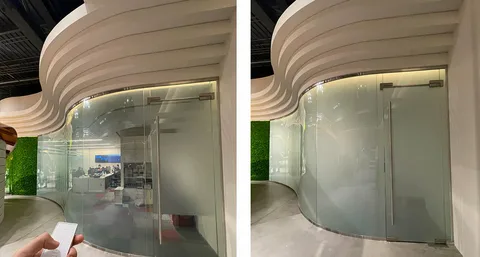
Switchable glass film is a thin layer of film that can be applied to any existing glass surface. It gives glass the ability to switch between clear and opaque states instantly. This transformation is made possible using liquid crystal technology. When the film is turned “on,” the glass becomes transparent. When it is turned “off,” it turns frosted or opaque, providing privacy.
This simple yet effective feature has made switchable glass film very popular in commercial buildings, offices, conference rooms, homes, hospitals, and even luxury vehicles. It’s a perfect combination of technology and convenience that fits perfectly into today’s lifestyle.
The Science Behind Switchable Glass Film
At the core of switchable glass film lies liquid crystal technology. The film is made up of several layers, including two transparent conductive layers and a middle layer containing liquid crystal droplets suspended in a polymer.
Here’s how it works:
- When electric current is applied, the liquid crystals align themselves in a uniform direction. This allows light to pass through, making the glass clear.
- When the power is turned off, the crystals scatter randomly. This blocks light and turns the glass opaque or frosted.
This simple mechanism allows users to instantly control the transparency of their glass windows or doors with a switch, remote, or even a mobile app.
Types of Switchable Glass Film
There are mainly two types of switchable glass technologies used in the market today:
PDLC (Polymer Dispersed Liquid Crystal) Film
This is the most common type used in offices and homes. It provides privacy and light control and is ideal for indoor use. PDLC films are affordable and easy to install on existing glass surfaces.
SPD (Suspended Particle Device) Film
SPD films use suspended particles instead of liquid crystals. They are often used in vehicles, skylights, or large glass facades because they are better at blocking sunlight and controlling glare. SPD films offer higher performance for sunlight control but are more expensive than PDLC films.
Both technologies allow users to manage light and privacy effectively while adding a modern touch to the space.
Why People Prefer Switchable Glass Film
Switchable glass film has become a favorite among architects, designers, and property owners. There are several reasons behind its growing popularity.
Instant Privacy
With switchable glass film, you no longer need blinds, curtains, or partitions. You can change transparent glass into opaque glass instantly with one click. It’s perfect for meeting rooms, bathrooms, or private spaces in offices.
Better Energy Efficiency
When the glass is in its opaque mode, it blocks out sunlight and reduces heat inside the building. This helps in lowering air conditioning costs, saving energy, and making the environment more comfortable.
Easy to Clean and Maintain
Unlike curtains or blinds that attract dust, smart films are easy to clean and maintain. You only need a soft cloth and mild cleaner to keep them looking new.
Aesthetic Appeal
Switchable glass film gives a modern and sleek appearance to any space. It complements minimal and contemporary designs, making interiors look sophisticated.
UV and Glare Reduction
It blocks harmful UV rays that cause fading of furniture and flooring. It also reduces glare, making indoor spaces more comfortable for reading, working, or watching screens.
How Switchable Glass Film Improves Privacy
Privacy is one of the main reasons people choose switchable glass film. In offices, it helps create flexible spaces where employees can focus during meetings without distractions. In homes, it can be used for bathroom doors, windows, or even bedroom partitions to provide privacy when needed.
For hospitals, switchable glass film replaces traditional curtains in patient rooms, ensuring hygiene and giving doctors privacy while maintaining visibility when required.
In short, switchable glass film offers instant control over visibility—you decide when to keep things open or private.
Installation Process of Switchable Glass Film
The installation of switchable glass film is simple and fast. It can be applied directly to any existing glass surface, so there is no need to replace the glass.
Here’s how the process usually goes:
- Glass Preparation: The surface is cleaned thoroughly to remove dust and oil.
- Measurement: The film is cut precisely to fit the glass dimensions.
- Application: The adhesive side of the film is carefully placed on the glass using a professional method to avoid bubbles.
- Connection: The film is connected to a small transformer that supplies the necessary electrical current.
- Testing: The system is tested using a switch or remote to ensure smooth operation.
Once installed, the film can be controlled using a wall switch, remote control, or smart home system.
Applications of Switchable Glass Film
Switchable glass film is highly versatile and can be used in various spaces for both functional and aesthetic purposes.
Offices and Workspaces
In modern offices, glass partitions create an open and bright environment. However, sometimes privacy is needed during meetings. Switchable glass film allows teams to switch between transparent and opaque glass instantly, keeping the office stylish and efficient.
Residential Spaces
In homes, smart glass films are used in bathrooms, living rooms, and even bedrooms. They offer privacy without blocking natural light and can be a great replacement for traditional curtains.
Hotels and Hospitality
Hotels use switchable glass in bathrooms, suites, and conference rooms to provide luxury and comfort to guests. The ability to switch transparency with a button adds a high-tech touch.
Healthcare Facilities
Hospitals and clinics use smart films to replace curtains around patient areas. They are more hygienic, easier to clean, and allow staff to control visibility for better care.
Retail and Commercial Spaces
Switchable glass films are also used in stores and showrooms to create dynamic displays. Businesses can change the visibility of products or rooms to attract attention and enhance customer experience.
How Switchable Glass Film Saves Energy
Switchable glass film doesn’t just offer privacy; it also helps reduce energy costs. When the film is in its opaque state, it blocks out heat and sunlight, keeping interiors cooler. This reduces the need for air conditioning during hot weather.
Similarly, during cooler seasons, the film can allow more sunlight in, reducing heating costs. This smart control over sunlight makes buildings more energy-efficient and eco-friendly.
Integration with Smart Home Systems
In today’s connected world, many people prefer automating their homes and offices. Switchable glass film can easily be integrated into smart home systems. You can control it using voice commands, smartphone apps, or automated timers.
Imagine waking up in the morning and your glass windows automatically turning transparent to let sunlight in—or turning opaque at night for privacy—all without you lifting a finger. That’s the power of smart glass technology.
Maintaining and Caring for Switchable Glass Film
Switchable glass film is low-maintenance, but a few simple steps can help keep it in top condition for years:
- Use a soft cloth or microfiber towel for cleaning.
- Avoid harsh chemicals; a mild glass cleaner is enough.
- Do not scratch or rub the film roughly.
- Ensure electrical connections are properly sealed and safe.
When maintained properly, switchable glass film can last for many years without losing its clarity or performance.
Cost Considerations
The cost of switchable glass film depends on several factors:
- Size and number of glass panels
- Type of technology (PDLC or SPD)
- Installation complexity
- Additional smart home integration features
While it might seem like a bigger investment initially, the long-term benefits—like energy savings, privacy, and durability—make it a smart and cost-effective solution.
The Future of Switchable Glass Technology
The future of switchable glass technology looks very promising. With advancements in material science and electronics, smart films are becoming thinner, more efficient, and affordable.
Soon, we may see smart glass films that can adjust transparency automatically based on sunlight levels or room occupancy. This innovation will further reduce energy use and make everyday life more convenient.
Architects and interior designers are already using switchable glass film to create futuristic and eco-friendly spaces that balance light, design, and privacy perfectly.
Why You Should Consider Switchable Glass Film
If you’re looking to upgrade your home or office, switchable glass film is one of the smartest investments you can make. It’s stylish, functional, and practical. You get complete control over your privacy, enjoy natural light, and save energy—all at the same time.
Switchable glass film adds value to your property, enhances comfort, and gives a modern and elegant look that traditional window coverings can’t match.
Final Thoughts
Switchable glass film is not just a modern decoration—it’s a powerful technology that changes the way we live and work. It combines innovation, comfort, and efficiency into one simple solution. With the ability to control transparency instantly, it gives users privacy when needed and openness when desired.
From offices and hospitals to homes and hotels, switchable glass film is becoming a symbol of modern living. It’s the perfect example of how smart technology can make our surroundings more beautiful, efficient, and comfortable.
So, if you are planning to make your space smarter, brighter, and more private, switchable glass film is the right choice to start with.
For more insightful articles related to this topic, feel free to visit: viewpen.online