
How Does Calibration Help Lane Assist Systems Work?
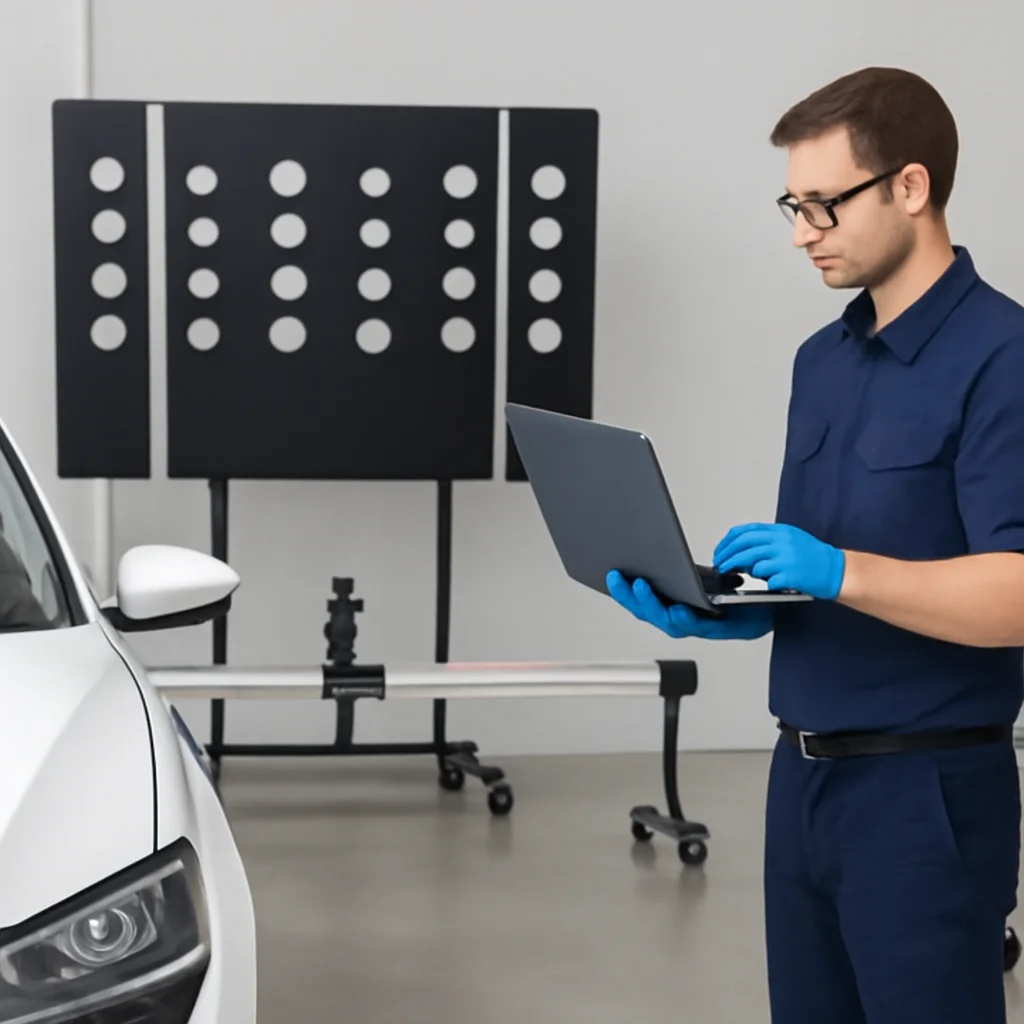
Lane assist systems depend on precise sensor and camera input to monitor lanes, vehicles, and obstacles effectively. Pedestrian and Cyclist Detection Calibration ensures that vulnerable road users are detected promptly, allowing the system to alert the driver or intervene when necessary. Proper calibration aligns cameras, radar, and control modules with the vehicle’s geometry, maintaining accuracy under various conditions. Without calibration, lane assist may misread lane markings or fail to identify hazards, increasing the risk of collisions. Regular calibration guarantees consistent reliability, making lane assist a dependable component of modern vehicle safety systems.
Why Lane Assist Systems Require Calibration
Lane assist relies on synchronized sensors and cameras to track lanes and maintain safe positioning. Calibration ensures that all components align accurately with the vehicle’s structure and orientation. Adjustments after repairs, sensor replacement, or manufacturing deviations are essential for precise operation. Accurate calibration prevents false alerts, unexpected steering corrections, and inconsistent lane detection. It also enables the system to adapt to different road types, lighting, and weather conditions. Without calibration, lane assist cannot provide dependable guidance, which may compromise driver safety and reduce the effectiveness of advanced driver assistance technologies.
Key Components Calibrated for Lane Assist
Lane assist relies on several key components that require precise calibration:
- Cameras detect lane lines, vehicles, and obstacles.
- Radar sensors measure distance and relative speed.
- Steering angle sensors track wheel position and alignment.
- Wheel speed sensors determine vehicle movement relative to the lane.
- Control modules integrate sensor input to deliver accurate steering and alerts.
Calibrating each component correctly ensures accurate lane detection, timely alerts, and consistent performance. Misalignment in even one element can cause errors, affecting both safety and system reliability.
Step-by-Step Lane Assist Calibration
Calibration follows a clear, methodical process to maintain system accuracy. The vehicle is first positioned on a level surface or calibration platform. System diagnostics detect sensor or camera errors and assess previous calibration records. Cameras are aligned for accurate lane and obstacle detection, followed by radar adjustment to ensure correct distance coverage. Manufacturer-specific software updates the control module, synchronizing sensor data. A test drive validates system performance in real-world conditions, confirming correct lane keeping, obstacle detection, and steering intervention. This method ensures the lane assist system functions safely and consistently.
Signs Your Lane Assist Needs Calibration
Lane assist performance can degrade over time or after vehicle work, and several signs indicate calibration is required. Unexpected lane departure warnings may occur, even when driving correctly. Steering interventions can feel delayed or erratic. Lane markings may be inconsistently detected under varying lighting or weather conditions. The system might fail to identify other vehicles, pedestrians, or cyclists reliably. Recognizing these symptoms early allows for timely recalibration, restoring system accuracy and maintaining safety. Regular checks prevent malfunction and ensure the lane assist system continues to deliver precise guidance.
Environmental and Vehicle Factors Affecting Calibration
Environmental and vehicle conditions can influence lane assist accuracy, highlighting the need for proper calibration. Faded or obstructed lane markings reduce camera detection reliability. Rain, snow, fog, or glare can interfere with sensor readings. Vehicle repairs, windshield replacements, or suspension adjustments may misalign cameras or sensors. Load distribution, such as heavy cargo or uneven tire pressure, can affect alignment. Awareness of these factors ensures proper system function. Routine calibration maintains lane assist reliability, allowing the system to adapt to changes in road or vehicle conditions without compromising performance.
Benefits of Proper Calibration
Proper calibration offers multiple advantages for drivers and vehicle safety. Accurate lane tracking reduces collision risks and enhances overall driving safety. System efficiency improves, minimizing false alerts and unnecessary steering corrections. Calibration ensures compliance with safety standards and regulatory requirements. Drivers experience predictable and consistent lane assist performance, which fosters confidence in advanced driver assistance technologies. Vehicles with properly calibrated lane assist operate more reliably in varied conditions. Investment in calibration prevents accidents, supports safer driving practices, and maximizes the effectiveness of modern safety systems in both urban and highway environments.
DIY vs Professional Calibration
Professional calibration guarantees that lane assist systems function at peak performance. Technicians use specialized tools and manufacturer-specific software to align cameras, sensors, and control modules accurately. Dynamic calibration during test drives ensures real-world accuracy. Attempting DIY calibration without the proper equipment may result in misalignment, reducing system reliability and potentially creating safety risks. While basic visual inspections can be performed at home, professional calibration ensures synchronization of all components. Choosing expert services maintains vehicle safety, preserves lane assist performance, and provides peace of mind for drivers relying on advanced assistance systems.
Conclusion
Lane assist systems enhance driving safety, but their effectiveness depends on precise calibration. Pedestrian and Cyclist Detection Calibration ensures the system responds accurately to all road users. Regular calibration restores alignment after repairs and maintains system reliability under varying conditions. Vehicles with properly calibrated lane assist offer smooth lane guidance, minimize collision risks, and perform consistently. Maintaining calibration safeguards both the driver and others on the road, ensuring that advanced safety technologies deliver their intended benefits efficiently and reliably.
FAQs
How often should lane assist be calibrated?
Calibration is recommended after repairs, sensor replacement, or any signs of system malfunction.
Can Lane Assist be calibrated at home?
Minor inspections are possible, but professional calibration ensures full accuracy and safety.
What are the signs that calibration is needed?
Unexpected lane warnings, delayed steering corrections, or missed detection of vehicles, pedestrians, or cyclists.
Does the weather impact lane assist?
Rain, snow, fog, or glare can reduce sensor and camera accuracy, requiring proper calibration.
Which components are adjusted during calibration?
Cameras, radar sensors, steering angle sensors, wheel speed sensors, and control modules are aligned for precise performance.