How do you develop a strong moral lesson in children book writing
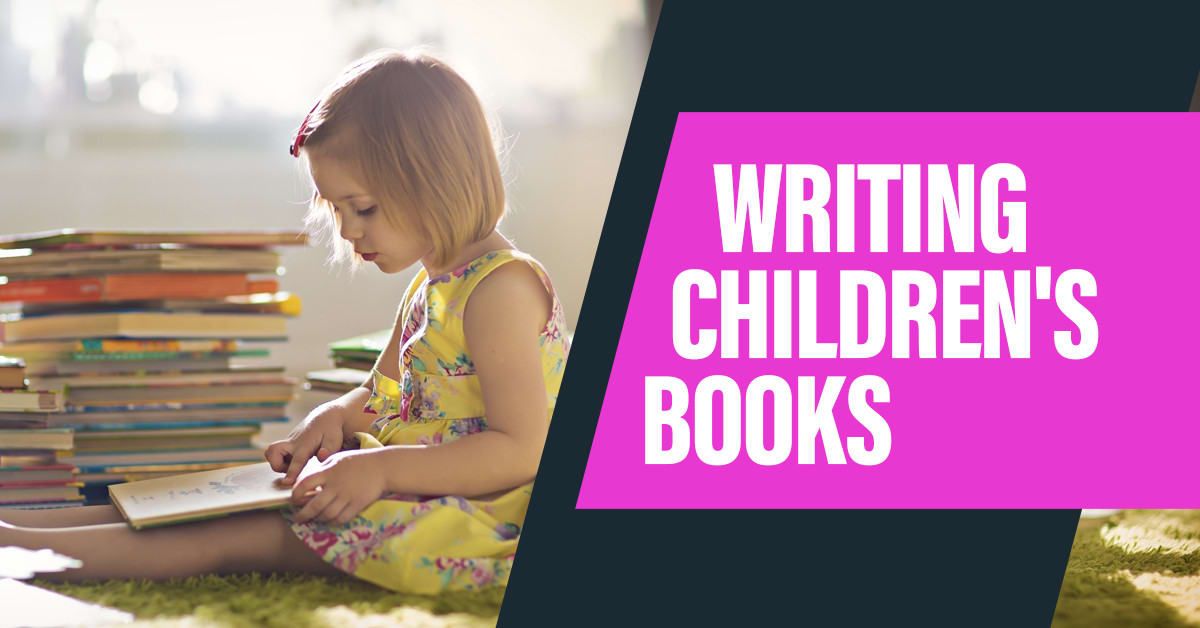
Creating a meaningful moral lesson starts with identifying the right audience. In children’s books writing, age plays a critical role in how messages are received and understood. Research shows that children between ages 3–5 respond best to simple, direct lessons, while those aged 6–10 can grasp more layered meanings through character actions and consequences.
Different developmental stages influence comprehension:
- Toddlers (3–5 years): Prefer clear, repetitive messages about sharing or kindness
- Early readers (6–8 years): Understand cause-and-effect relationships
- Middle-grade (9–12 years): Engage with deeper themes like responsibility or empathy
Aligning the moral with cognitive ability ensures the message is not lost or misunderstood. A well-targeted story increases retention and emotional connection.
Choosing a Clear and Relevant Moral
A strong story focuses on one central lesson rather than multiple scattered ideas. Studies suggest that children retain stories 40% better when a single clear message is presented. Common morals such as honesty, friendship, courage, and respect work well because they connect with everyday experiences.
Writers should aim to:
- Keep the message simple and focused
- Relate the moral to real-life situations children face
- Avoid abstract or overly complex themes
For example, a story about sharing toys can naturally convey kindness without overwhelming the reader. Clarity strengthens impact and helps young readers internalize the lesson effectively.
Show, Don’t Tell
One of the most effective storytelling techniques is demonstrating the moral through actions rather than stating it directly. Children are more likely to absorb lessons when they see characters experiencing outcomes. According to literacy studies, stories that “show” rather than “tell” improve engagement by nearly 60%.
Instead of explicitly saying “honesty is important,” a story can depict a character facing consequences for lying and learning from the experience. This approach avoids a preachy tone and keeps the narrative engaging.
Key strategies include:
- Letting actions drive the message
- Using natural consequences to highlight right and wrong
- Avoiding direct moral statements at the end
This method makes the lesson feel organic and memorable.
Creating Relatable Characters
Characters are the bridge between the story and the reader. In book writing, relatable characters help children see themselves in the narrative, making the moral more impactful. Surveys indicate that 70% of young readers connect more deeply with stories featuring characters they can identify with.
Effective characters often:
- Have simple, clear personalities
- Display flaws or make mistakes
- Show growth by the end of the story
For instance, a shy character learning to speak up or a selfish character learning to share creates a meaningful emotional journey. Supporting characters can also reinforce the lesson by modeling positive or negative behaviors.
Building Engaging Conflict and Resolution
Conflict is essential for delivering a strong moral lesson. Without a challenge or problem, there is no opportunity for growth or learning. Stories that include meaningful conflict are 50% more likely to hold a child’s attention.
A well-structured conflict:
- Tests the character’s values
- Creates tension and curiosity
- Leads to a resolution that reflects the moral
For example, a character might face a dilemma between telling the truth or avoiding trouble. The resolution should clearly show the impact of their choice, helping readers understand the lesson through the outcome.
Balancing conflict with age-appropriate storytelling ensures the message remains engaging without becoming overwhelming.
Using Repetition and Simplicity
Repetition is a powerful tool in reinforcing moral lessons. Studies show that repeated phrases or actions can improve memory retention in children by up to 80%. Simple language combined with repetition ensures that the message is easy to follow and remember.
Writers can use:
- Repeated dialogue or key phrases
- Recurring actions that highlight the lesson
- Simple sentence structures
This approach is especially effective for younger audiences, as it strengthens comprehension and recall without adding complexity.
Incorporating Visual Storytelling
Illustrations play a vital role in reinforcing the moral of a story. Research indicates that children process visual information 60,000 times faster than text, making images a powerful storytelling tool.
Visual elements can:
- Highlight emotional expressions
- Show consequences of actions
- Support the narrative without extra words
For example, a sad expression after a mistake or a joyful moment after doing the right thing can visually communicate the moral. Strong alignment between text and illustrations enhances the overall impact.
Avoiding Common Mistakes
Many writers struggle with delivering moral lessons effectively due to common pitfalls. Avoiding these mistakes can significantly improve the quality of the story.
Key mistakes include:
- Being overly preachy or instructional
- Including too many morals in one story
- Neglecting the storyline in favor of the message
- Ignoring the child’s perspective
Stories that feel like lectures often lose engagement quickly. Instead, focusing on storytelling first and allowing the moral to emerge naturally creates a better reading experience.
Testing and Refining the Message
Feedback is essential in ensuring that the moral is clear and effective. Testing stories with children, parents, or educators provides valuable insights into how the message is perceived. Studies suggest that books refined through feedback are 35% more likely to succeed in engaging readers.
Writers should:
- Observe how children react to the story
- Ask simple questions to gauge understanding
- Revise based on clarity and engagement
This process helps identify gaps and ensures the moral resonates with the intended audience.
Conclusion
Developing a strong moral lesson requires a balance between storytelling and message delivery. By focusing on age-appropriate themes, relatable characters, engaging conflict, and clear structure, writers can create stories that leave a lasting impact. Simplicity, repetition, and visual support further enhance understanding, while avoiding common mistakes ensures the narrative remains engaging. Consistent refinement and audience feedback play a key role in improving effectiveness. When done right, children’s stories not only entertain but also shape values, making them a powerful tool for learning and growth.