

How Do Transfer Prints Improve Small Apparel Brands?
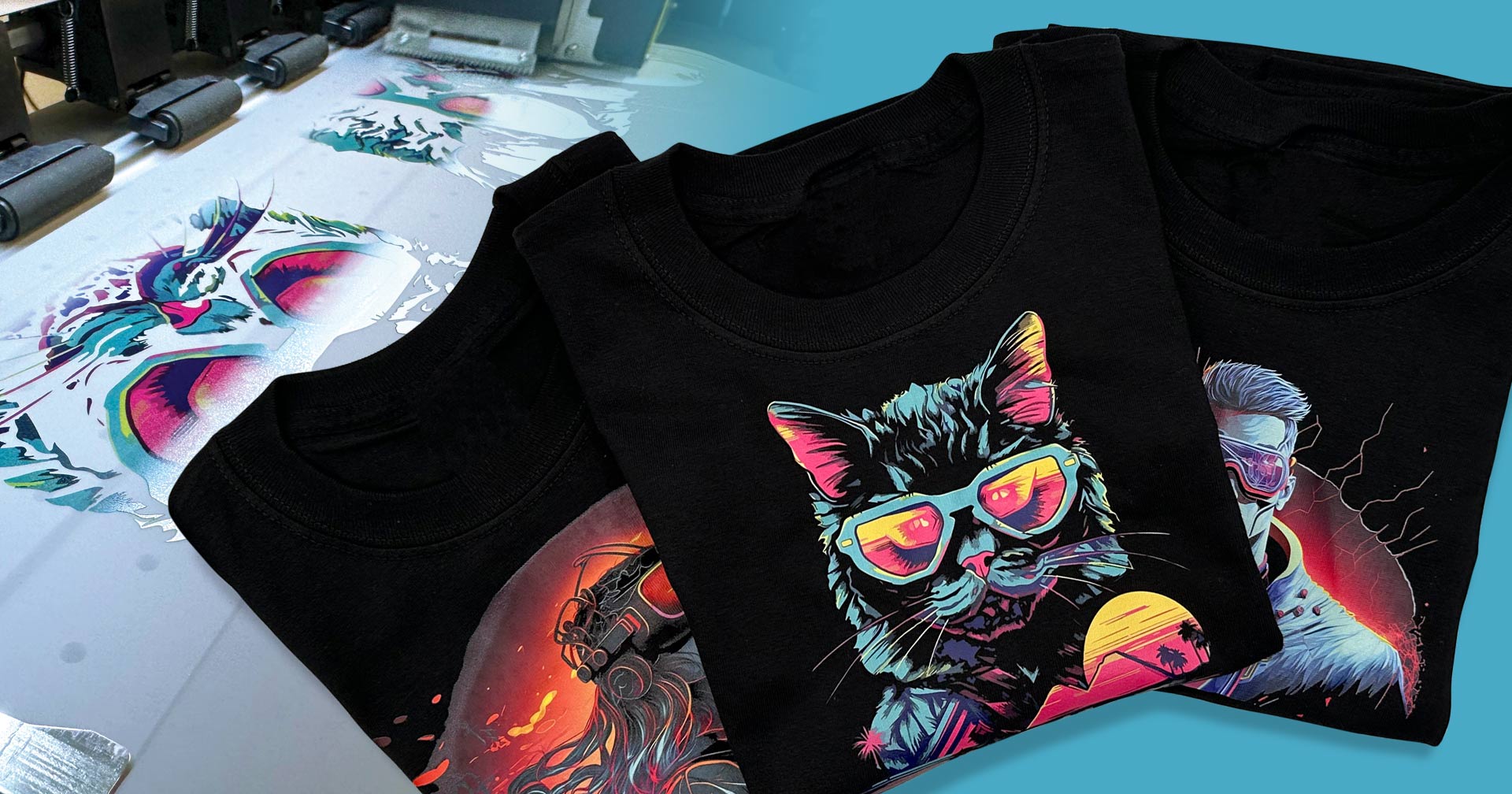
Small apparel brands face constant pressure to produce high-quality garments while staying affordable and creative. Custom DTF Transfers allow emerging labels to create vibrant, professional designs without costly traditional printing setups. This method supports experimentation and flexible production, helping brands launch collections quickly. Transfer printing provides consistency across garments and multiple fabric types, enabling small businesses to maintain their unique visual identity. By integrating this method, brands can save resources, reduce waste, and confidently build a recognizable market presence without compromising on product quality.
Why Transfer Printing Fits Small Brand Production Needs
Transfer printing suits small brands that need low-volume production with reliable quality. Short runs reduce inventory risk and allow brands to test new designs efficiently. Each transfer can be applied consistently, ensuring uniformity across garments. Smaller batches give brands flexibility to launch seasonal collections or respond to trends without overcommitting resources. This adaptability also reduces waste and simplifies production management. Small brands gain the ability to experiment with product styles while maintaining high-quality output, giving them a competitive edge in crowded fashion markets.
Cost Advantages for Emerging Apparel Businesses
Managing production costs is essential for startups and growing brands. Transfer printing eliminates many expenses associated with traditional screen printing setups. There is no need for large quantities or complex equipment, and material waste is minimized. Labor requirements are also simplified, making smaller teams sufficient to manage production. Brands can redirect saved funds toward marketing, packaging, or product photography. This approach helps improve profit margins while maintaining design quality. Lower costs also allow businesses to experiment with limited-edition designs or seasonal drops without financial strain.
Better Design Freedom for Brand Identity
Design flexibility is crucial for small apparel brands looking to establish their identity. Transfer printing supports high-resolution graphics, multi-color gradients, and complex patterns with consistent results. Designers can explore various placements, color schemes, and limited editions without compromising quality. The method also works on different fabrics, enabling creativity across t-shirts, hoodies, and accessories. Consistent print quality ensures that the brand’s visual identity remains strong, which helps attract customers and build loyalty. Transfer printing empowers small businesses to differentiate themselves through unique, high-quality designs.
How Transfer Printing Supports Product Variety
Small brands often expand their offerings gradually. Transfer printing works across multiple garment types, making product diversification easier.
- Start with t-shirts for everyday collections
- Launch hoodies for premium seasonal items
- Include tote bags for promotional merchandise
- Add caps to extend brand visibility
- Introduce sportswear for niche audiences
This method reduces the need for separate printing equipment for each product type. As a result, small brands can broaden their catalog while maintaining consistent design quality across all items.
Faster Turnaround for Small Collection Launches
Speed is critical for independent brands facing fluctuating trends. Transfer printing allows quicker movement from design approval to finished garments. Short production timelines support seasonal releases, limited editions, or event-driven collections. Fast turnaround helps brands respond to market demand without holding excess stock. It also improves planning for promotional campaigns or pop-up sales. Small brands benefit from staying agile, enabling them to maintain customer engagement and market relevance. Faster production ultimately strengthens a brand’s ability to meet changing consumer expectations efficiently.
Improved Inventory Management
Overproduction can strain small brands financially. Transfer printing enables on-demand or short-run production, reducing unsold inventory. Brands can produce smaller batches aligned with actual sales performance. This approach lowers storage costs and frees up cash flow for future product development. Accurate production planning minimizes waste and allows brands to adapt quickly to trends or customer requests. With better inventory control, small labels can focus on growth strategies rather than managing excess stock, improving operational efficiency and overall business sustainability.
Stronger Product Quality for Customer Retention
Durable prints are key to customer satisfaction. Modern transfer printing ensures strong adhesion and color retention even after repeated washes. High-quality prints make garments look professional and maintain their appeal over time. Customers who experience reliable quality are more likely to return and recommend the brand to others. For small apparel businesses, building trust through consistent product performance is vital. Transfer printing supports long-term customer loyalty and reinforces brand credibility by delivering garments that meet both aesthetic and practical expectations.
Easier Brand Testing and Market Experimentation
New brands often need to experiment with different designs to discover what sells. Transfer printing allows affordable small-batch production for trial collections. Businesses can test graphics, color schemes, and styles without significant financial risk. Customer feedback from these trials informs future product lines. Small brands gain insights into market preferences while controlling production costs. The method also enables iterative improvement, helping labels refine offerings quickly and efficiently. Controlled experimentation reduces mistakes and strengthens decision-making for emerging clothing businesses.
Conclusion
Transfer printing provides small apparel brands with a practical, cost-effective solution for producing high-quality garments. It allows creative freedom, supports diverse product lines, reduces production risk, and speeds up collection launches. Small businesses can test new designs, maintain consistent quality, and manage inventory more efficiently. By leveraging transfer printing strategically, emerging brands strengthen their identity, satisfy customers, and position themselves for growth. Efficient, high-quality prints are a cornerstone for small brands seeking both creativity and sustainable success in competitive markets.
FAQs
Why do small apparel brands prefer transfer printing?
Transfer printing supports short runs, reduces setup costs, and delivers consistent, high-quality designs for limited quantities.
Can transfer printing work on different fabrics?
Yes, it works on cotton, polyester, blends, and a variety of garment types, supporting diverse collections.
Are transfer prints durable after repeated washing?
Properly applied transfer prints maintain color vibrancy and adhesion through multiple washes.
Does transfer printing help with limited-edition releases?
Yes, small batches can be produced quickly, enabling brands to launch exclusive collections without overproduction.
Is transfer printing suitable for startup clothing businesses?
Absolutely. It reduces costs, allows creative flexibility, and supports professional-quality apparel production efficiently.