


How an Employee Monitoring System Improves Workplace Productivity?
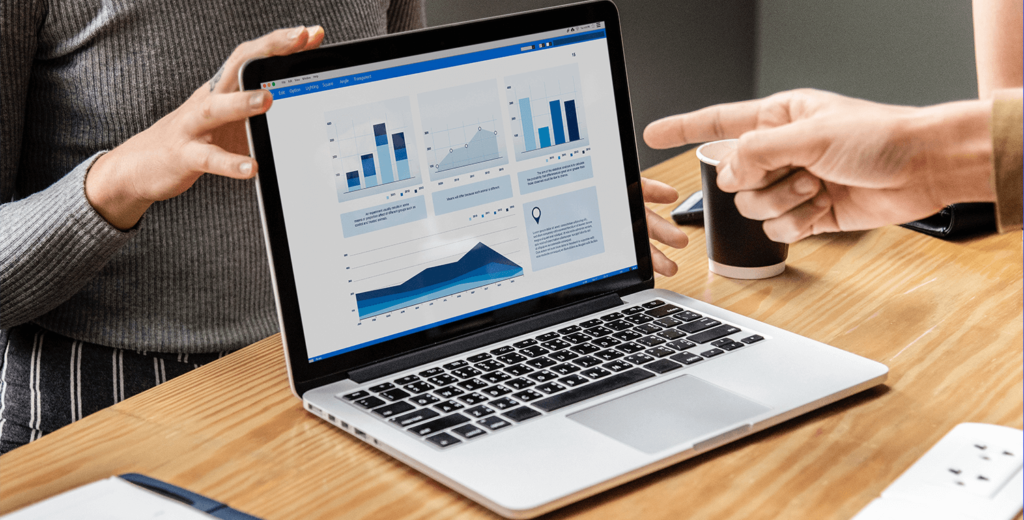
n today’s competitive business environment, improving productivity is a top priority for every organization. Whether managing in-office, remote, or hybrid teams, companies need visibility into how work hours are spent.
An employee monitoring system helps businesses track performance, optimize workflows, and eliminate inefficiencies — all while maintaining accountability.
For growing teams and startups, even free employee monitoring software can provide valuable insights without increasing operational costs.
What Is an Employee Monitoring System?
An employee monitoring system is a digital solution that tracks and analyzes employee work activities during business hours. It helps employers understand productivity trends, attendance patterns, and time usage.
Key functions typically include:
- Time tracking and attendance monitoring
- App and website usage tracking
- Productivity scoring
- Idle time detection
- Performance analytics reports
- Optional screenshots or screen recording
Unlike traditional supervision, modern systems provide data-driven insights instead of guesswork.
1. Improves Time Management
One of the biggest productivity challenges is poor time utilization. An employee monitoring system:
- Identifies time spent on productive vs. non-productive tasks
- Highlights excessive idle time
- Detects workflow bottlenecks
Even free employee monitoring software can help small businesses understand where work hours are being lost and take corrective action.
2. Increases Employee Accountability
When employees know that their work activities are tracked transparently, they tend to stay more focused.
An employee monitoring system:
- Encourages responsibility
- Reduces time theft
- Minimizes unnecessary distractions
The goal is not surveillance — it’s building a culture of accountability supported by clear expectations.
3. Supports Remote & Hybrid Teams
Managing remote employees without visibility can be challenging. An employee monitoring system provides:
- Real-time activity insights
- Work-hour tracking
- Performance summaries
- Project-based time logs
For startups and small businesses, starting with free employee monitoring software allows remote team management without heavy investment.
4. Provides Data-Driven Performance Reviews
Instead of relying on assumptions, managers can use reports and analytics to evaluate performance.
Benefits include:
- Objective performance measurement
- Identifying top performers
- Recognizing employees who need support
- Smarter workload distribution
This improves fairness and reduces bias in evaluations.
5. Enhances Project & Resource Management
An employee monitoring system helps businesses:
- Track time spent on projects
- Improve deadline management
- Optimize team allocation
- Reduce project overruns
With accurate productivity data, managers can plan resources more effectively.
6. Reduces Operational Costs
Productivity inefficiencies cost businesses thousands annually. Monitoring systems help:
- Reduce wasted work hours
- Improve payroll accuracy
- Prevent unauthorized activities
Even small productivity improvements can significantly impact profits, especially for growing companies.
Best Practices for Using an Employee Monitoring System
To maximize productivity benefits:
✔ Communicate monitoring policies clearly
✔ Use data for improvement, not punishment
✔ Respect privacy and legal compliance
✔ Focus on team growth and performance coaching
✔ Start with basic or free employee monitoring software before scaling
Transparency builds trust and ensures smooth adoption.
Conclusion
An employee monitoring system is more than a tracking tool — it’s a productivity enhancement solution. By providing real-time insights, improving accountability, and enabling smarter decision-making, businesses can significantly boost workplace efficiency.
Whether you choose a premium platform or begin with free employee monitoring software, the key is using insights strategically to support employee performance and business growth.