

Hot Melt Adhesives: Benefits, Uses & Industrial Applications
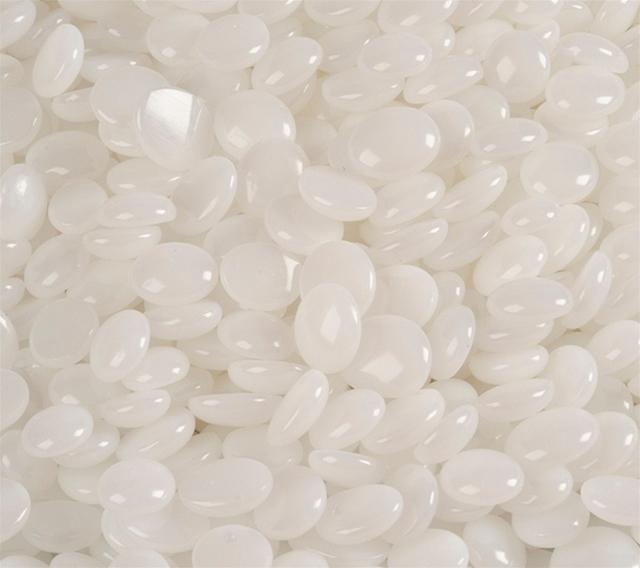
Introduction to Hot Melt Adhesives
Hot melt adhesives play a crucial role in modern manufacturing. These adhesives offer fast bonding, strong performance, and efficient processing. As a result, many industries now prefer them over traditional bonding methods.
In simple terms, hot melt adhesives melt when heated and solidify when cooled. Therefore, they create an instant and durable bond without requiring drying time. Moreover, they improve production speed and reduce downtime.
What Are Hot Melt Adhesives?
Hot melt adhesives are thermoplastic materials that activate with heat. First, manufacturers heat the adhesive until it melts. Then, they apply it to the surface. Finally, the adhesive cools and forms a strong bond.
Because of this process, industries achieve:
- Faster production cycles
- Immediate bonding strength
- Clean and efficient application
In addition, these adhesives do not contain solvents. Therefore, they provide a safer and more eco-friendly solution.
How Hot Melt Adhesives Work
The working process remains simple yet effective. First, machines heat the adhesive to a liquid state. Next, operators apply the molten adhesive to the material. Then, they press the surfaces together. Finally, the adhesive cools and solidifies.
As a result, this process ensures quick bonding and high productivity. Moreover, manufacturers can control temperature and viscosity for better results.
Types of Hot Melt Adhesives
Different industries require different adhesive properties. Therefore, manufacturers produce several types of hot melt adhesives.
1. EVA (Ethylene Vinyl Acetate)
EVA adhesives are widely used in packaging and bookbinding. They offer affordability and versatility. In addition, they provide good bonding strength for general applications.
2. Polyolefin Adhesives
Polyolefin adhesives offer better heat resistance. Therefore, industries use them in demanding environments. Moreover, they provide flexibility and durability.
3. Polyamide Adhesives
Polyamide adhesives deliver strong bonding and chemical resistance. As a result, they work well in automotive and electronics industries.
4. PUR (Polyurethane Reactive)
PUR adhesives provide superior strength and long-lasting performance. Furthermore, they react with moisture to enhance bonding over time.
Advantages of Hot Melt Adhesives
Hot melt adhesives offer several benefits. Therefore, industries widely adopt them.
1. Fast Bonding
These adhesives bond quickly. As a result, production lines run faster.
2. Strong Adhesion
They create durable and reliable bonds across multiple materials.
3. Eco-Friendly Solution
Since they do not use solvents, they reduce environmental impact.
4. Versatile Applications
They work on materials such as plastic, wood, metal, and fabric.
5. Cost Efficiency
They reduce waste and energy consumption. Therefore, businesses save costs.
Applications Across Industries
Hot melt adhesives serve many industries. As a result, they have become essential in manufacturing.
Packaging Industry
Companies use these adhesives for carton sealing and labeling. Therefore, they improve efficiency in high-speed operations.
Furniture and Woodworking
Manufacturers use them for edge banding and lamination. Moreover, they ensure clean and strong finishes.
Automotive Industry
Automotive companies use adhesives for interior assembly. As a result, they reduce weight and improve efficiency.
Textile Industry
Hot melt adhesives help in fabric bonding and footwear production. Therefore, they provide flexibility and durability.
Electronics Industry
Manufacturers use them to assemble and protect components. Consequently, they improve product reliability.
Challenges of Hot Melt Adhesives
Although these adhesives offer many advantages, they also present some challenges.
- They require temperature control
- High heat may affect sensitive materials
- Initial setup costs can be higher
However, manufacturers continue to improve formulations. Therefore, these challenges are gradually reducing.
Latest Trends in Hot Melt Adhesives
The adhesive industry continues to evolve. As a result, several new trends are emerging.
Eco-Friendly Adhesives
Manufacturers now focus on sustainable solutions. Therefore, industries reduce their environmental footprint.
Low-Temperature Technology
These adhesives require less heat. As a result, they improve safety and save energy.
Advanced Formulations
New products offer better resistance to heat, moisture, and chemicals.
Automation Compatibility
Modern adhesives work seamlessly with automated systems. Therefore, industries achieve higher productivity.
Why Industries Prefer Hot Melt Adhesives
Industries prefer hot melt adhesives for several reasons. First, they provide fast bonding. Second, they improve efficiency. Moreover, they reduce production time.
In addition, these adhesives offer flexibility across multiple applications. Therefore, they remain a preferred choice in modern manufacturing.
Conclusion
Hot melt adhesives have transformed industrial bonding processes. They offer speed, strength, and efficiency. Moreover, they support modern manufacturing with reliable performance.
As industries continue to grow, the demand for advanced adhesive solutions will increase. Therefore, businesses that adopt hot melt adhesives can improve productivity and stay competitive.