Harvest Cannabis: Precision, Patience, and Professional Standards in Modern Cultivation
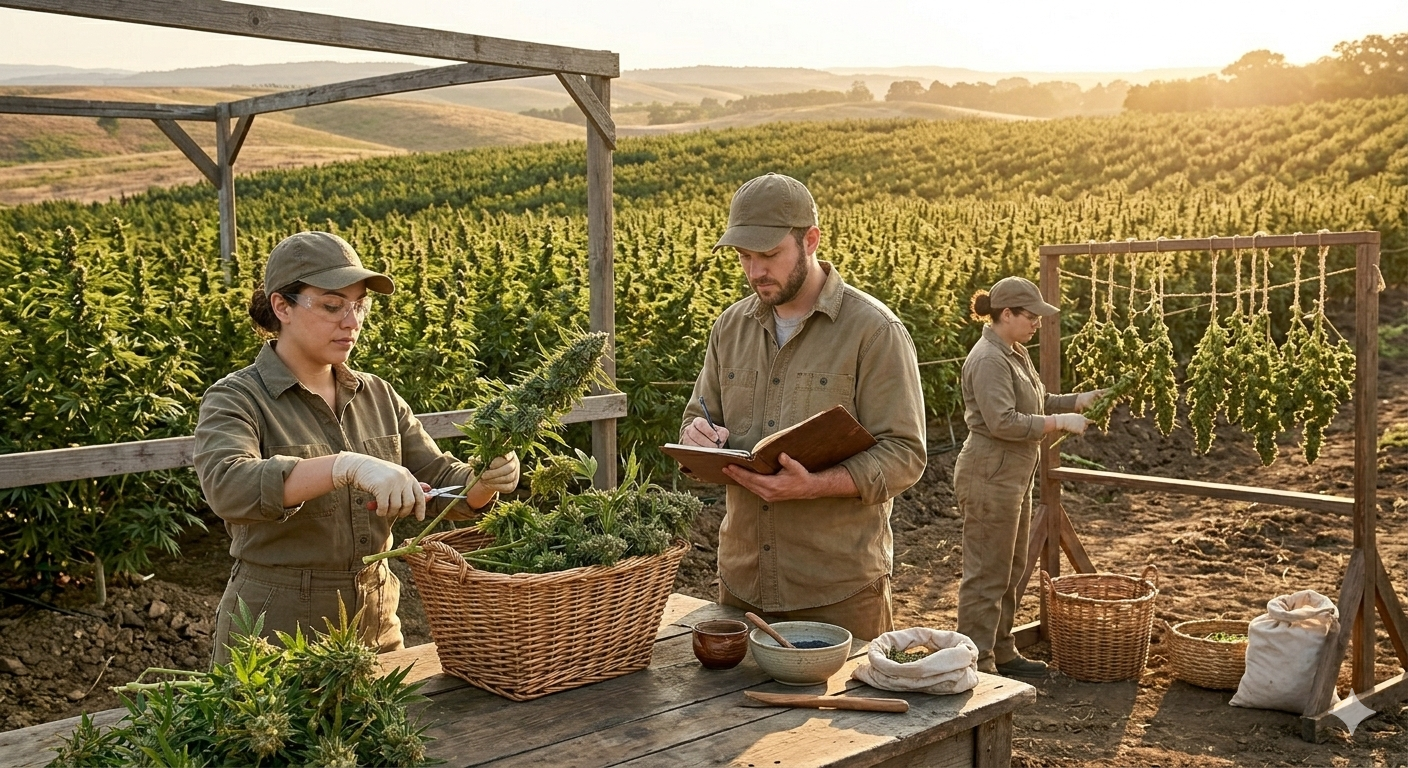
Harvest cannabis is the defining moment in the entire cultivation journey. After weeks or months of nurturing plants through germination, vegetative growth, and flowering, everything depends on how and when the harvest takes place. This stage determines potency, aroma, appearance, shelf life, and overall market value.
In today’s regulated industry, harvesting is not simply a matter of cutting plants and drying them. It is a structured and carefully managed operation supported by documentation, compliance tracking, environmental control, and quality testing. Growers must balance science, experience, and efficiency to ensure that the final product meets both legal standards and consumer expectations.
Understanding harvest cannabis requires looking beyond the surface. It involves timing, labor coordination, environmental awareness, and post-harvest refinement that shapes the final consumer experience.
The Importance of Perfect Timing
Recognizing the Ideal Harvest Window
Timing is the foundation of a successful harvest cannabis operation. Harvest too early and the plant may not reach its full cannabinoid potential. Harvest too late and certain compounds may begin to degrade, altering the desired effects.
Professional cultivators study the plant closely during the final flowering stage. They examine trichomes, the tiny resin glands covering the buds. These glands change color as the plant matures. Clear trichomes indicate immaturity, cloudy or milky trichomes signal peak potency, and amber tones suggest a shift toward deeper, more relaxing effects.
The ideal harvest point depends on the intended product profile. Precision at this stage ensures consistent quality and predictable results for consumers.
Environmental Adjustments Before Harvest
In the days leading up to harvest, environmental control becomes even more important. Temperature and humidity must remain stable to prevent mold or stress. Indoor facilities rely on automated climate systems, while outdoor growers monitor weather forecasts carefully.
Many cultivators adjust watering and nutrient schedules near harvest to enhance flavor and overall product smoothness. These small but strategic decisions contribute significantly to final quality.
The Physical Harvest Process
Cutting and Initial Handling
Once the optimal harvest window is identified, the physical process begins. Plants are either cut at the base or harvested branch by branch. Careful handling is essential to protect delicate trichomes and maintain visual appeal.
In licensed operations, strict sanitation protocols are followed. Workers wear gloves and use sterilized tools to prevent contamination. Every harvested batch is weighed and recorded immediately to maintain accurate inventory tracking.
Managing Workflow in Commercial Facilities
Large-scale harvest cannabis operations require detailed planning. Teams often work in coordinated shifts to ensure efficiency without overcrowding drying spaces. Processing delays can affect drying conditions, so workflow must be synchronized carefully.
Proper communication between cultivation, trimming, and compliance teams ensures smooth transitions from one stage to the next.
Drying: Stabilizing the Fresh Harvest
Creating the Ideal Drying Conditions
Drying is one of the most sensitive stages after harvest cannabis. Freshly cut plants contain high moisture levels that must be reduced gradually. Branches are usually hung upside down in controlled rooms with balanced temperature and humidity.
If drying occurs too quickly, buds can lose aroma and become brittle. If too slowly, excess moisture may lead to mold growth. Steady airflow and consistent monitoring are essential to achieve balanced results.
The drying phase typically lasts between one and two weeks, depending on plant density and environmental conditions.
Monitoring Moisture Levels
Experienced cultivators check stem flexibility and bud texture to determine dryness. When small stems snap rather than bend, the plant has likely reached the appropriate dryness for curing.
Advanced facilities may use digital sensors to monitor humidity and moisture levels more precisely. This technology reduces risk and improves consistency across batches.
Trimming and Refinement
Enhancing Visual Appeal
After drying, trimming removes excess leaves and refines the bud’s appearance. Some growers trim immediately after cutting, while others prefer trimming after drying. Both approaches have advantages depending on facility design and climate.
Careful trimming enhances the product’s presentation and prepares it for curing. Skilled trimmers ensure that buds remain intact while removing unnecessary material.
Balancing Efficiency and Craftsmanship
Commercial harvest cannabis operations often combine manual trimming with mechanical assistance. While machines increase efficiency, human inspection remains critical for maintaining premium quality standards.
This stage directly affects how the product looks on retail shelves and influences consumer perception.
Curing: Developing Aroma and Smoothness
The Science Behind Curing
Curing is where harvest cannabis truly matures. After drying and trimming, buds are placed in airtight containers. This controlled environment allows internal moisture to redistribute gradually, improving texture and aroma.
During curing, containers are opened periodically to release excess moisture and allow fresh air exchange. This process enhances terpene expression and ensures smooth consumption.
Curing can last several weeks, and the patience invested during this phase often separates average products from premium offerings.
Protecting Long-Term Quality
Once curing is complete, proper storage becomes essential. Exposure to light, heat, or oxygen can degrade cannabinoids. Professional packaging solutions protect product stability and extend shelf life.
Maintaining consistent storage conditions preserves both potency and flavor integrity.
Compliance and Regulatory Standards
Tracking Harvest Cannabis from Seed to Sale
In regulated markets, harvest cannabis is carefully tracked. Each plant is assigned identification during cultivation and remains traceable through harvest, processing, and distribution.
When plants are harvested, batch numbers connect them to specific cultivation data. This documentation ensures transparency and prevents unauthorized diversion.
Laboratory Testing Requirements
Before reaching consumers, cannabis products must undergo independent laboratory testing. Tests verify cannabinoid potency and screen for contaminants such as pesticides, heavy metals, and microbial presence.
Only batches that meet regulatory standards move forward to packaging. This step reinforces consumer safety and strengthens industry credibility.
Packaging and Distribution
Preparing for Retail
After testing approval, harvest cannabis is packaged according to legal guidelines. Labels typically include potency information, batch numbers, and regulatory warnings. Accuracy in labeling is critical to avoid compliance issues.
Packaging materials are designed to protect freshness while meeting child-resistant and tamper-evident requirements.
Moving Through the Supply Chain
Distribution follows strict protocols to ensure secure transportation. Licensed distributors handle shipments to retail outlets while maintaining documentation for every transfer.
From cultivation room to store shelf, each step is recorded and monitored to maintain accountability.
The Economic and Market Impact
Harvest cannabis directly influences business performance. Yield size, potency levels, and product consistency determine revenue potential. A well-executed harvest supports profitability and strengthens market position.
Growers often align harvest schedules with market demand to maintain steady supply without oversaturation. Strategic planning allows businesses to balance production capacity with consumer needs.
Strong harvest management reduces waste, controls labor costs, and maximizes return on investment.
Sustainability and Responsible Practices
Modern cultivation increasingly emphasizes environmental responsibility. Harvest operations generate plant waste that must be managed according to regulations. Some facilities compost organic material or explore recycling programs.
Energy efficiency is another focus area. Climate control systems used during drying and curing consume significant power. Sustainable solutions help reduce operational costs and environmental impact.
Consumers value transparency and responsible practices. Companies that prioritize sustainability during harvest cannabis operations strengthen their public image.
Conclusion: The True Significance of Harvest Cannabis
Harvest cannabis is more than the final agricultural step. It is a complex and carefully coordinated process that blends science, craftsmanship, compliance, and business strategy. Every decision, from timing the cut to curing and packaging, influences the final product’s safety, potency, and appeal.
In today’s competitive and regulated industry, precision during harvest defines brand reputation and long-term success. Growers who invest in proper technique, environmental control, and compliance systems consistently deliver higher-quality products.
As the cannabis sector continues to evolve, the importance of professional harvest practices will only grow. Mastering this stage ensures not only commercial success but also consumer trust and industry sustainability.