

Halwa Sweets: A Timeless Delight of Tradition and Flavor
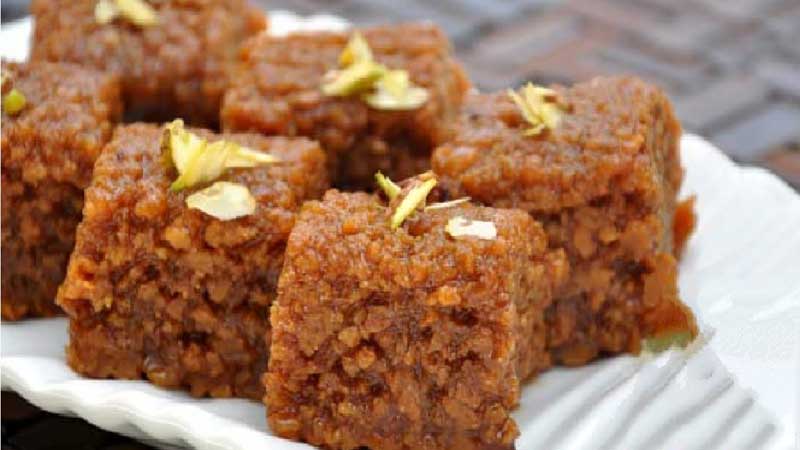
Few desserts in the world capture the warmth, richness, and cultural depth of halwa. Found in kitchens from the Middle East to South Asia, this beloved sweet dish has been cherished for centuries. Known for its melt-in-the-mouth texture and comforting sweetness, halwa (also spelled halva or halwah) represents more than just a dessert—it’s a symbol of celebration, hospitality, and heritage.
Whether served at religious festivals, weddings, or family gatherings, halwa continues to hold a special place in the hearts of millions. But what makes this sweet so unique, and why has it remained a favorite across generations and continents?
A Sweet History Rooted in Culture
The origins of halwa can be traced back over a thousand years to the Middle East. The word “halwa” itself comes from the Arabic term ḥalwá, meaning “sweet.” Initially, halwa referred to a broad category of confections made from sugar, honey, and flour or nuts. As the recipe traveled along trade routes, it evolved and adapted to local tastes and ingredients.
In Persia, halwa was prepared using wheat flour, butter, and sugar syrup. When it reached the Indian subcontinent, it transformed dramatically—local cooks began incorporating semolina (suji), lentils, ghee, and a variety of regional flavors like cardamom, saffron, and rose water. Over time, halwa became a quintessential part of South Asian cuisine, deeply woven into religious rituals and festive traditions.
Varieties of Halwa Across Regions
One of the most fascinating aspects of halwa is its diversity. Nearly every region that adopted this sweet created its own version, reflecting local ingredients and cultural influences.
1. Suji (Semolina) Halwa
Perhaps the most widely enjoyed type, suji halwa is made by roasting semolina in ghee until golden brown, then adding sugar syrup flavored with cardamom. Garnished with almonds and cashews, it is a staple at Hindu festivals like Diwali and Navratri.
2. Gajar (Carrot) Halwa
Originating in North India, gajar halwa is prepared by slow-cooking grated carrots in milk and ghee, and then sweetened with sugar. The result is a rich, aromatic dessert often served during winter months.
3. Moong Dal Halwa
A traditional Rajasthani delicacy, moong dal halwa is made from ground yellow lentils cooked in ghee and sugar syrup. Its nutty flavor and dense texture make it a luxurious treat, especially for festive occasions.
4. Karachi Halwa (Bombay Halwa)
Unlike the grain-based varieties, Karachi halwa is made with cornflour, ghee, and sugar syrup. Its chewy, jelly-like texture and glossy finish set it apart. It often comes in bright colors like orange or green and is a popular item in sweet shops across India.
5. Besan (Gram Flour) Halwa
Prepared using roasted chickpea flour, this halwa has a deep, nutty flavor and is especially popular during cold seasons for its warming qualities.
6. Middle Eastern and Turkish Halva
In the Middle East, halva often takes the form of a nut-based confection—commonly made with tahini (sesame paste) and sugar syrup. Turkish halva, for example, has a crumbly texture and comes in flavors like chocolate, pistachio, and vanilla.
Ingredients That Define Halwa’s Charm
The beauty of halwa lies in its simplicity. Though recipes vary, the essential ingredients—ghee, sugar, milk or water, and a base ingredient like semolina, lentils, or flour—remain constant. These are often enhanced with:
- Nuts and Dry Fruits: Almonds, cashews, pistachios, and raisins add crunch and richness.
- Aromatics: Cardamom, saffron, and rose water impart fragrance and flavor.
- Natural Sweeteners: In traditional versions, jaggery or honey is sometimes used instead of refined sugar for a deeper taste.
The process of slow cooking and constant stirring is crucial, allowing the ingredients to blend harmoniously and achieve the signature smooth, velvety texture.
Halwa in Cultural and Religious Traditions
Halwa holds deep cultural and spiritual significance in many communities. In India and Pakistan, it is often prepared as prasad (a sacred offering) in temples and at religious ceremonies. During the Muslim festival of Eid, varieties like sooji halwa and badam halwa are prepared to share joy and gratitude.
In the Middle East, halwa is served during Ramadan for its energy-boosting qualities. Similarly, in Greece and Turkey, halva is traditionally associated with remembrance and offered during memorial ceremonies. Across cultures, it symbolizes sweetness in life, generosity, and togetherness.
Modern Takes on a Classic Dessert
While halwa remains a traditional favorite, contemporary chefs and home bakers are experimenting with creative variations to suit modern tastes and health-conscious lifestyles.
- Vegan Halwa: Made with plant-based ghee or coconut oil.
- Sugar-Free Versions: Sweetened with dates, honey, or stevia.
- Fusion Flavors: Innovations like chocolate halwa, pumpkin halwa, or quinoa halwa blend global ingredients with traditional techniques.
These adaptations ensure that halwa continues to evolve while retaining its timeless charm.
Enjoying Halwa: A Comforting Ritual
Halwa can be enjoyed hot, warm, or even chilled, depending on the variety. It pairs beautifully with puris (fried bread) in traditional meals or can be served alone as a dessert. Its comforting aroma and rich texture make it a staple for festive feasts and cozy family gatherings alike.
Conclusion
From the streets of Delhi to the cafés of Istanbul, halwa sweets have transcended borders, uniting cultures through their universal appeal. They embody history, craftsmanship, and emotion—each spoonful telling a story of celebration, devotion, and love. In a world where culinary trends come and go, halwa endures as a timeless symbol of sweetness and tradition. Whether it’s a humble semolina halwa made at home or a luxurious pistachio halva from a Middle Eastern bazaar, this dessert reminds us that the simplest ingredients can create the most memorable delights.