
Gut Health: The Core of a Healthy Body
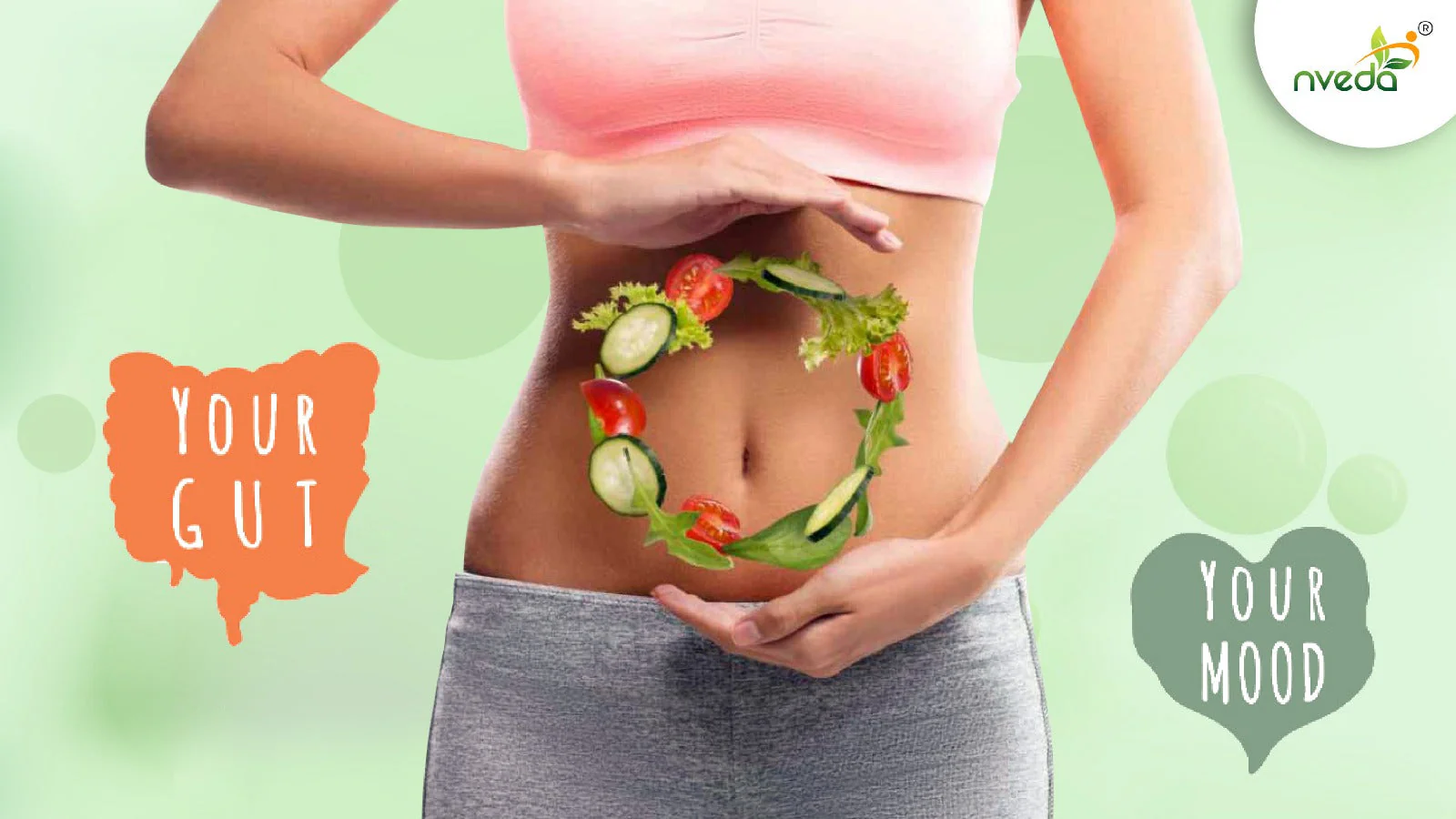
Gut health has gained attention in recent years, and scientists now agree it plays a crucial role in overall wellness. The gut is more than just a place where food is digested—it is deeply connected to immunity, mental well-being, energy, and even skin health. When the gut is balanced, you feel energized, focused, and strong. But when gut health is poor, the effects often show up across the entire body. Taking care of this “inner ecosystem” is one of the best investments anyone can make for long-term health.
What is Gut Health?
Gut health refers to the function and balance of the digestive system, especially the community of microorganisms living in the intestines. This community of trillions of bacteria, fungi, and microbes is called the gut microbiome.
A healthy gut doesn’t just break down food—it also:
- Absorbs nutrients needed for energy and repair.
- Supports the immune system.
- Produces essential vitamins and brain chemicals.
- Protects against harmful bacteria.
- Regulates inflammation within the body.
When the microbiome is out of balance, it may cause discomfort like bloating, indigestion, constipation, or even issues far beyond digestion.

Why Gut Health Matters
Gut health influences far more than just the stomach. Research shows it is closely tied to many important functions:
- Stronger Immunity: Up to 70% of the immune system resides in the gut.
- Mental Health: The gut produces neurotransmitters such as serotonin, often linked to happiness.
- Healthy Weight Management: Balanced bacteria support metabolism and appetite control.
- Better Digestion: A good microbiome prevents gas, bloating, and stomach cramping.
- Clearer Skin: Gut imbalances often show as acne, rashes, or other skin irritations.
- Lower Inflammation: A healthy gut barrier reduces toxins that trigger widespread inflammation.
This shows why gut health is often called the foundation of overall wellness.
Signs of an Unhealthy Gut
If your gut is struggling, your body may send warning signals. Common signs of imbalance include:
- Bloating, gas, or stomach discomfort.
- Constipation or chronic diarrhea.
- Food sensitivities or intolerances.
- Low energy or constant fatigue.
- Frequent colds or a weakened immune system.
- Changes in weight without explanation.
- Mood swings, brain fog, or anxiety.
- Skin problems like dryness, eczema, or acne.
Listening to these signals early can prevent more serious issues later.
Causes of Poor Gut Health
Several lifestyle factors can negatively affect the gut. Common causes are:
- Diets high in sugar, processed foods, and unhealthy fats.
- Too little dietary fiber, which good bacteria need to thrive.
- Antibiotic overuse, which wipes out both good and bad bacteria.
- High stress, disrupting the gut-brain connection.
- Poor sleep, which reduces the gut’s repair cycles.
- Low hydration, making digestion harder.
- Sedentary lifestyle, which slows down natural digestion processes.
Thankfully, most of these causes can be improved with healthy changes.
How to Improve Gut Health
The gut is highly responsive to small, consistent efforts. Here are ways to build a healthier gut naturally:
- Eat More Fiber: Fruits, vegetables, beans, and whole grains feed beneficial bacteria.
- Stay Hydrated: Adequate water helps keep digestion smooth.
- Eat Fermented Foods: Options like sauerkraut, kimchi, and kefir provide probiotics.
- Manage Stress: Mindfulness, yoga, and deep breathing relax the gut-brain axis.
- Exercise Regularly: Physical activity stimulates movement in the digestive tract.
- Chew Food Slowly: Digestion starts in the mouth, and chewing well helps the gut.
- Limit Processed Foods: Less sugar and refined carbs means better microbiome balance.
- Prioritize Sleep: Aim for 7 to 9 hours each night to allow recovery.
Making these habits part of daily life brings long-term benefits for digestion and overall health.
Foods That Support Gut Health
Your diet is the most powerful tool for building a strong gut. Helpful foods include:
- Prebiotic Foods: Bananas, onions, garlic, and asparagus help feed good bacteria.
- Probiotic Foods: Fermented foods supply beneficial microbes to the gut.
- High-Fiber Foods: Leafy greens, oats, apples, and beans keep digestion regular.
- Healthy Fats: Olive oil, nuts, and avocados reduce inflammation.
- Antioxidant-Rich Choices: Berries, green tea, and citrus fruits protect gut lining cells.
Eating a variety of these foods daily helps boost gut health naturally.
Lifestyle Habits to Protect Gut Health
Diet is important, but long-term gut wellness also depends on overall daily habits. These include:
- Eating meals on a regular schedule to keep digestion predictable.
- Limiting alcohol and avoiding smoking, both of which damage gut lining.
- Practicing hygiene to prevent stomach infections.
- Spending time outdoors—exposure to nature supports better microbial diversity.
- Reducing chemicals or unnecessary medication when possible.
Together, these habits create a stable environment for healthy microbes to thrive.
Final Thoughts
Gut health is the starting point for almost every area of well-being. From mental clarity to immune strength, energy, and even healthy skin, the gut affects it all. While stress, processed foods, and poor sleep can easily disrupt this system, simple changes—like eating fiber-rich foods, drinking water, staying active, and sleeping well—can help restore balance.
Caring for your gut means caring for your whole body. By making better choices every day, you can create a healthier digestive system that supports long-term vitality and happiness.