Gallbladder Surgery Reinvented with Robotic Assistance
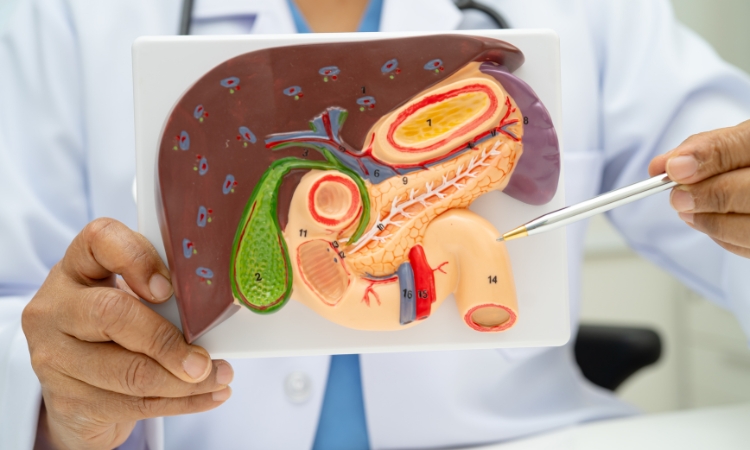
Gallbladder disorders such as gallstones, inflammation, and infections are common conditions that can disrupt daily life and cause significant discomfort. When medications and lifestyle changes fail to provide relief, surgical removal of the gallbladder becomes the most effective solution. For decades, open surgery was the standard method, requiring large incisions, extended hospital stays, and long recovery periods. Today, modern medical innovation has transformed this experience, offering patients safer and more efficient treatment options.
Robotic Gallbladder Surgery represents a major evolution in gallbladder care, combining advanced technology with surgical expertise. By utilizing robotic-assisted systems, surgeons can perform gallbladder removal with enhanced precision, minimal tissue damage, and improved safety. This revolutionary approach has redefined patient outcomes, making surgery less painful and recovery significantly faster.
The Evolution of Gallbladder Surgery
Gallbladder surgery has evolved significantly over the years. Open surgery was once the only option, often resulting in considerable pain, visible scarring, and weeks of recovery. The introduction of laparoscopic surgery reduced incision size and recovery time, but it still presented limitations in terms of precision and flexibility.
Robotic-assisted surgery builds upon laparoscopic techniques while addressing their challenges. Robotic systems provide greater dexterity, stability, and visualization, allowing surgeons to perform procedures with exceptional accuracy. This evolution has transformed gallbladder surgery into a more refined and patient-friendly experience.
Precision Enhanced by Robotic Technology
One of the defining features of robotic gallbladder surgery is its exceptional precision. Robotic instruments are designed to replicate a surgeon’s hand movements with enhanced accuracy while eliminating natural tremors. This allows for meticulous surgical maneuvers, especially in delicate areas near bile ducts and blood vessels.
The high-definition three-dimensional camera offers a magnified view of the surgical field, enabling surgeons to identify and protect critical structures. Enhanced precision significantly reduces the risk of complications and improves surgical outcomes.
Minimally Invasive Approach for Better Healing
Robotic gallbladder surgery is minimally invasive, requiring only small incisions rather than a large open cut. Smaller incisions reduce trauma to muscles and tissues, leading to less pain and faster healing. This approach also lowers the risk of infection and post-operative complications.
Patients benefit from quicker wound healing, reduced discomfort, and improved mobility shortly after surgery. The minimally invasive nature of robotic assistance plays a key role in improving overall recovery experiences.
Faster Recovery and Early Return to Normal Life
One of the most appreciated benefits of robotic gallbladder surgery is faster recovery. Because the procedure causes minimal disruption to the body, patients experience reduced pain and swelling. Many individuals can walk within hours of surgery and return home within a short hospital stay.
Early recovery allows patients to resume daily activities, work, and exercise much sooner than traditional surgical methods. This efficiency helps minimize disruptions to personal and professional life.
Reduced Pain and Improved Comfort
Pain is a major concern for anyone undergoing surgery. Robotic gallbladder surgery significantly reduces post-operative pain due to smaller incisions and precise tissue handling. Patients often require fewer pain medications and report greater comfort during recovery.
Lower pain levels promote better sleep, improved mobility, and a more positive healing experience. This enhanced comfort contributes to higher patient satisfaction and overall well-being.
Lower Risk of Surgical Complications
Robotic assistance enhances safety during gallbladder surgery by reducing the risk of complications. Precise instrument control and enhanced visualization help surgeons avoid injury to surrounding organs, blood vessels, and bile ducts.
The minimally invasive approach also lowers the risk of infections and excessive bleeding. Patients with complex conditions, such as obesity or prior abdominal surgeries, benefit greatly from the controlled and accurate nature of robotic surgery.
Improved Cosmetic Outcomes
Cosmetic results are an important consideration for many patients. Robotic gallbladder surgery involves small incisions that heal quickly and leave minimal scarring. Unlike traditional open surgery, which can result in noticeable scars, robotic procedures offer discreet and aesthetically pleasing results.
Minimal scarring boosts patient confidence and adds to overall satisfaction with the surgical outcome.
A Better Experience for Surgeons and Patients
Robotic systems are designed to improve both surgical performance and patient outcomes. Surgeons operate from an ergonomic console, reducing physical strain and fatigue during procedures. This improved comfort allows for greater focus and consistency throughout the surgery.
For patients, this translates into safer procedures, improved outcomes, and a higher level of trust in the surgical process.
Conclusion
Gallbladder surgery has been truly reinvented with the introduction of robotic assistance. By combining precision, safety, and minimally invasive techniques, robotic gallbladder surgery offers faster recovery, less pain, and improved overall outcomes. Patients benefit from reduced complications, minimal scarring, and a smoother healing process. For those seeking advanced gallbladder care supported by cutting-edge technology and experienced specialists, Kaizen Hospital stands as a trusted destination for robotic gallbladder surgery and comprehensive patient-focused treatment.