


Furniture Trends from Canadian Designers in 2025
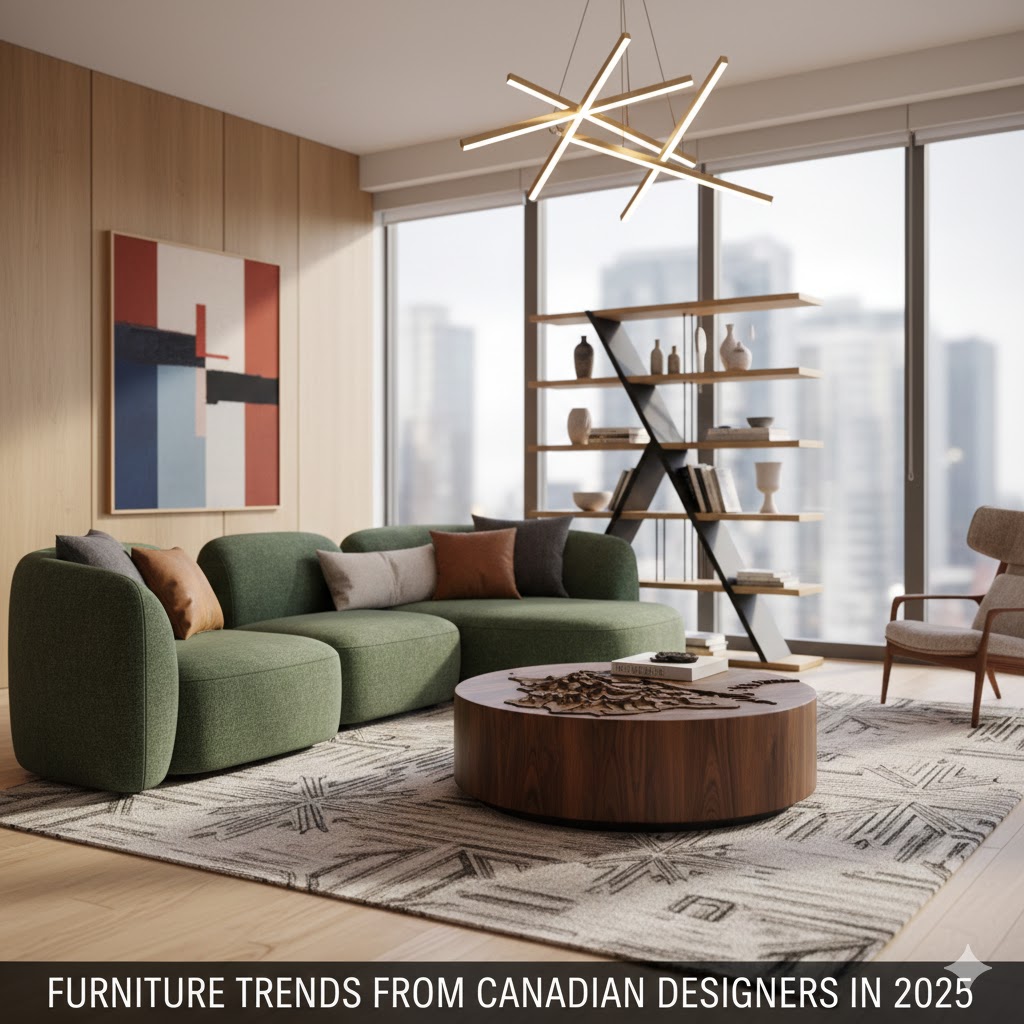
Canadian designers have shaped many homes over the years, yet 2025 feels different. People want homes that feel warm, simple, and functional. Many buyers also look for pieces that match daily life. Living room furniture leads these changes because Canadians spend more time at home. As a result, every trend focuses on comfort, useful design, and long-term value. The shift appears across sofas, tables, storage, and even color choices.
Canadian designers often build around the needs of real families. They also pay attention to shifting lifestyles. Many homes now blend work, entertainment, and relaxing spaces. Therefore, furniture must handle more than one job. Trends for 2025 reflect these needs in clear and practical ways.
Why Canadian Designers Are Setting New Standards
Canada’s design community grows every year. Many buyers now prefer local work because it feels relatable. However, that is not the only reason. Canadian designers understand how homes respond to long winters, tight spaces, and changing weather. As a result, they create furniture that suits real households.
Consumers want pieces that last. They also want looks that stay fresh for years. Because of this, designers focus on long-term styling. They aim for shapes that remain relevant. They also choose textures that survive busy lifestyles. Many trends link back to this focus on practicality.
1. Softer Shapes Become a Top Choice in 2025
Rounded shapes appear in many homes this year. Designers say people feel more at ease around curves. Straight lines remain popular, yet curves add a sense of movement. They also soften the room.
This trend shows up in chairs, tables, and even large pieces. Modern sectional sofas now feature curved corners and rounded backs. These shapes help small spaces look open. They also make large rooms feel relaxed.
Furthermore, curved furniture works well with natural materials. Wood, linen, and wool all look balanced next to smooth shapes. Many Canadian designers combine these elements to create cozy rooms that still feel modern.
2. Warm Neutrals Replace Cool Tones
Gray ruled many homes for years. Yet warm tones now take the lead. Designers noticed that homes feel more welcoming when the colors carry warmth. Cream, tan, caramel, and muted brown have become top picks. Even stone shades now lean toward earthy tones.
People want colors that feel calm but not cold. Therefore, many pair warm walls with similar furniture shades. Light brown couches for sale perform well because they match a wide range of rooms.
Additionally, these tones fit with natural lighting. Canadian winters often dull indoor spaces. Because of this, warm neutrals help brighten the room without bold colors.
3. Multi-Purpose Furniture Takes Over
Homes now serve many roles. They host work, family time, and personal time. Therefore, furniture must shift with these needs. Designers now build smarter pieces to solve this problem.
Storage benches, lift-top coffee tables, and modular sofas lead this trend. Many families look for options that store blankets, devices, or toys. Likewise, adjustable furniture helps smaller homes feel open.
Living room furniture shows the biggest shift here because that room carries most activities. A modular sofa can expand when family arrives. It can shrink when you want more floor space. Designers now push for layouts that change with daily routines.
4. Canadian Wood Styles Gain More Attention
Canada offers many types of hardwood, which makes wood furniture a natural favorite. Maple, oak, and walnut remain top choices. People want furniture that lasts many years, so wood pieces continue to stay popular.
In 2025, designers use wood in new ways. Instead of dark stains, they use clear finishes. Clear coats highlight natural grains. They also work well with warm-neutral homes.
Wood also appears in unexpected places. Many dining room tables now mix thick wood tops with metal legs. This blend adds contrast without feeling harsh. Even coffee tables now use imperfect grains to add character.
5. Low-Profile Sofas and Sectionals Trend Across Canada
People prefer open rooms. Because of that, low-profile pieces continue to grow. These sofas sit closer to the floor, which makes ceilings look higher. They create visual space without reducing seating comfort.
Modern sectional sofas often follow this style. Many now include deep seats and wide arms. These designs suit long evenings and relaxed weekends. They also work well in both condos and large homes.
Furthermore, low-profile styles pair easily with minimalist décor. They do not overwhelm the room. As a result, they fit many home layouts.
6. Sustainable Materials Are More Common in 2025
More shoppers want eco-friendly products. Designers respond by using better materials. Recycled fabrics now appear in many sofas. Reclaimed wood also gains popularity.
Natural fabrics remain in demand. Cotton, linen, hemp, and wool all show strong sales. These fabrics feel clean and breathable, yet durable enough for active homes.
Local materials also cut shipping waste. Because of that, many Canadians now choose furniture for sale made in Canada.
7. Smart Storage Designs Improve Home Function
Storage plays a big role in modern homes. However, buyers want it to look attractive. Designers now work on storage that blends into the room. For example, many sideboards now include hidden compartments.
Living rooms also benefit from storage-heavy designs. Sectional sofas with built-in drawers now appear in showrooms. Coffee tables now offer two tiers plus hidden pockets. All these options help families stay organized.
Even dining room tables now include storage. Some bases hold wine shelves or small drawers for table items.
8. Canadian Homes Embrace Texture Layering
Texture brings character to a room. Designers use it to avoid flat-looking spaces. Soft fabrics appear on sofas. Woven accents appear on chairs. Knitted throws appear on sectionals.
These textures work together to create depth. They also make rooms feel warm during long winters. Many Canadian designers blend heavy textures with light ones. A leather sofa might pair with a wool throw. A wooden table might pair with soft dining chairs.
Texture layering works well with warm-neutral homes. It helps the room feel complete without strong color contrasts.
9. Bigger Dining Tables Support Family Life
Family time matters to many Canadians. Because of that, large tables continue to trend. Rectangular and oval shapes lead in 2025. Round tables also gain interest, especially in condos.
Dining room tables now use stronger frames and wider tops. Many families want tables that last many years. Solid wood remains a top choice for this reason.
Extendable tables also gain popularity. Many families want flexibility for guests. Designers now create simple mechanisms that look clean and modern.
10. Bold Statement Pieces Return
Most rooms use warm neutrals, but bold accents still matter. Many homes now include one standout piece. That piece may be a colorful chair, a stone table, or a sculpted lamp.
Canadian designers use these accents to add focus. However, they keep them limited. The room stays calm, yet interesting.
Statement pieces also help express personality. A bright sofa or unique dining chair can shape the look of the entire room.
11. Oversized Art Helps Balance Minimal Rooms
Large art pieces have become common in 2025. They add presence without filling the room with extra furniture. This trend suits Canadian homes because many walls remain bare during winter.
Art also pairs well with warm lighting. Many designers now match art to the tones of the furniture. This keeps the room balanced.
12. Soft Lighting Shapes Home Atmosphere
Lighting affects how furniture appears. Therefore, many designers now promote warm lighting tones. Floor lamps, wall lights, and table lamps now use dimmable warm bulbs.
These lights help large sectionals look more welcoming. They also reflect softly on wood furniture. Many buyers now build lighting around their furniture choices.
13. Performance Fabrics Gain More Buyers
Homes stay busy. Many families choose performance fabrics for this reason. These fabrics resist stains and wear. Many sectionals now use them because they last longer.
Performance fabrics also feel soft, which adds comfort. They come in many shades, so they fit with warm-neutral homes. Because of this, they dominate couches for sale across Canada.
14. Canada’s Outdoor Furniture Trends Influence Indoor Styles
Outdoor furniture now uses soft shapes and plush cushions. These ideas move into indoor rooms. Many sofas now resemble lounge pieces. They offer deeper seats and relaxed backs.
Even indoor tables now mirror outdoor looks. Designers use light wood, smooth stone, and matte finishes. These styles create a calming indoor atmosphere.
15. Hand-Finished Details Gain Popularity
People want furniture with character. As a result, hand-finished touches grow in demand. These include hand-sanded wood, stitched edges, and carved details.
These touches make each piece feel personal. They also support local makers. Many Canadians enjoy knowing who crafted their furniture.
16. Open Shelf Concepts Rise in Popularity
Closed storage still matters. Yet open shelves help homes feel light. Many living rooms now use open units for books or décor. These shelves keep the room visually open.
Designers also use open shelving in dining areas. This keeps the space casual and welcoming. It also makes it easier to reach daily items.
FAQs
1. What furniture style is most popular in Canada in 2025?
Warm-neutral styles remain the most popular. Many buyers choose modern shapes with natural textures.
2. Are modern sectional sofas still trending this year?
Yes. They remain a top choice because they fit many room sizes and support flexible seating.
3. What colors work best for living room furniture in 2025?
Warm beige, tan, caramel, and soft browns work well. They make the space feel calm.
4. Are large dining room tables still in demand?
Yes. Families want tables that support gatherings and daily use.
5. What materials do Canadian designers prefer in 2025?
Natural wood, soft fabrics, recycled textiles, and light stone remain top picks.
6. Are performance fabrics worth buying?
Yes. They help sofas last longer and stay clean, which is great for busy households.