


Flow Transmitter Calibration in Industrial Measurement Systems
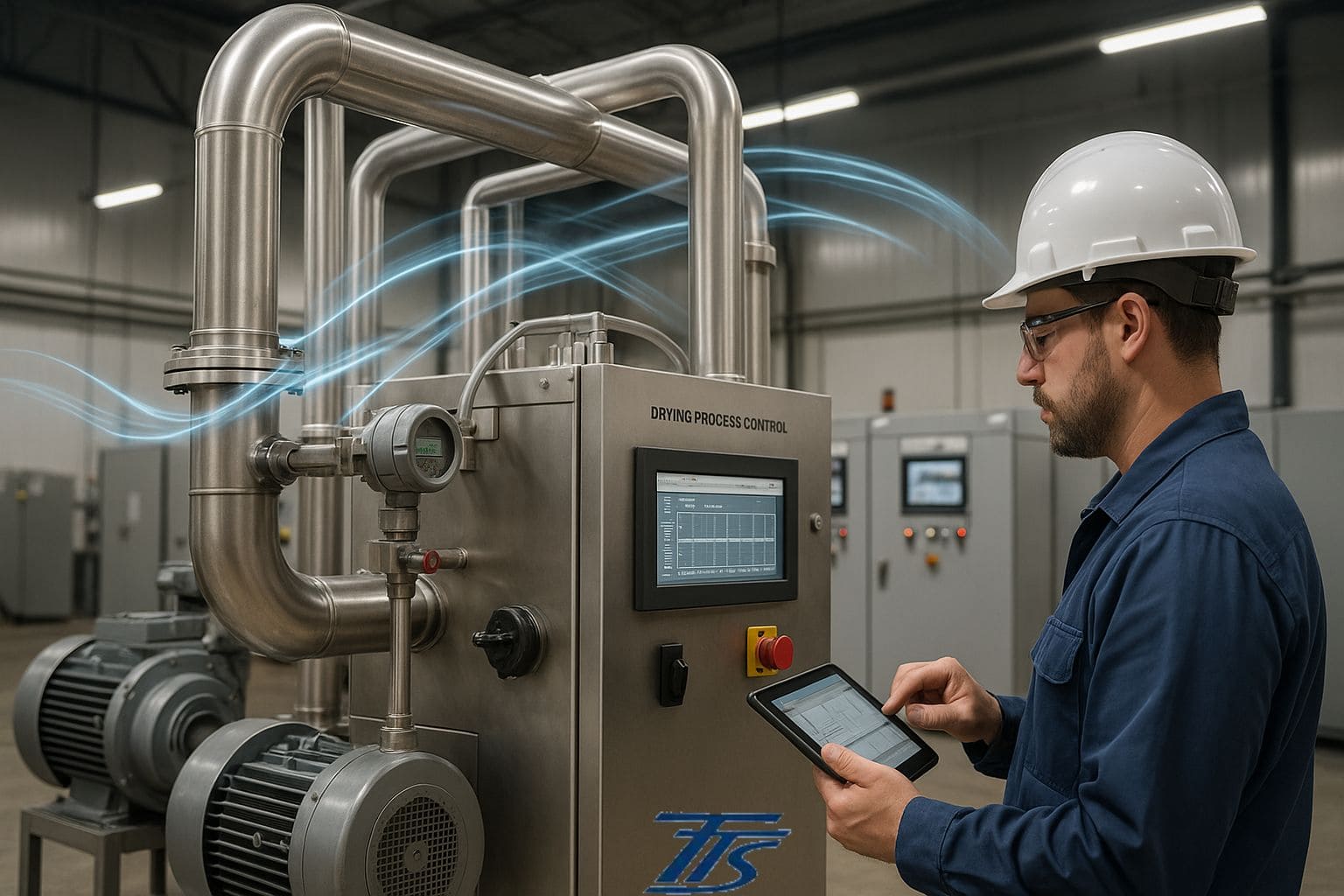
Accurate flow measurement is essential for maintaining efficiency, safety, and product quality in industrial operations. Flow data influences process control decisions, energy management, custody transfer, and regulatory compliance across industries such as oil and gas, chemicals, power generation, and water treatment. Over time, however, flow transmitters can deviate from their original accuracy due to mechanical wear, sensor drift, process conditions, or environmental factors. Flow transmitter calibration is therefore a critical activity that ensures measurement integrity and reliable process performance in demanding industrial environments.
What a Flow Transmitter Is
A flow transmitter is an industrial instrument that measures the rate at which a fluid—liquid, gas, or steam—moves through a pipe or system and converts this measurement into a standardized electrical signal. This signal is typically transmitted to a control system for monitoring, control, or recording purposes.
Flow transmitters work in conjunction with various sensing principles, depending on the application. These principles may include differential pressure, electromagnetic, ultrasonic, vortex, turbine, or Coriolis measurement methods. Regardless of the technology used, the transmitter’s role is to provide accurate, repeatable flow data that supports operational decision-making and process stability.
Why Flow Transmitter Calibration Is Critical
Calibration ensures that a flow transmitter’s output accurately reflects the actual flow conditions in the process. Over time, factors such as sensor aging, buildup of process materials, temperature variations, pressure cycling, and vibration can introduce errors into flow measurements. Even small inaccuracies can lead to significant operational consequences, including inefficient resource usage, product quality issues, or non-compliance with industry regulations.
In flow-based control loops, inaccurate signals can cause improper valve positioning, unstable process control, or increased energy consumption. In custody transfer or billing applications, calibration errors may result in financial discrepancies or contractual disputes. Regular calibration verifies transmitter accuracy against known reference standards and confirms that the instrument remains within acceptable tolerance limits.
Types of Flow Transmitter Calibration
Flow transmitter calibration methods vary depending on the measurement technology and application requirements. One common approach is bench calibration, where the transmitter is removed from service and tested using specialized calibration equipment in a controlled environment. This method allows for high accuracy but requires process downtime.
In-situ or field calibration is performed with the transmitter installed in the process. This approach minimizes operational disruption and is often used when system shutdowns are impractical. Field calibration may involve simulation of input signals or comparison against a portable reference standard.
Another approach is loop calibration, which verifies the entire measurement loop, including the sensor, transmitter, wiring, and control system input. Loop calibration ensures that the transmitted signal accurately represents the measured flow at the control system level, not just at the transmitter output.
Industries That Rely on Flow Transmitter Calibration
Flow transmitter calibration is a standard requirement across many industrial sectors. In oil and gas operations, accurate flow measurement supports production optimization, custody transfer, and emissions monitoring. Chemical and petrochemical plants depend on calibrated flow transmitters to maintain precise reactant ratios and ensure process safety.
Power generation facilities use flow calibration to manage fuel input, steam flow, and cooling water systems efficiently. Water and wastewater treatment plants rely on accurate flow data for treatment control, regulatory reporting, and system balancing. Food, beverage, pharmaceutical, and pulp and paper industries also require calibrated flow transmitters to maintain quality standards and process consistency.
Key Benefits of Regular Flow Transmitter Calibration
One of the primary benefits of regular calibration is improved measurement accuracy. Accurate flow data supports tighter process control, reduced variability, and optimized resource usage. This directly contributes to lower operating costs and improved system efficiency.
Calibration also enhances process reliability by identifying potential instrument issues before they lead to failures or inaccurate readings. Early detection of sensor drift or signal instability allows corrective action to be taken proactively. In regulated industries, documented calibration activities support compliance with quality standards, environmental regulations, and audit requirements.
Another benefit is extended equipment life. Proper calibration practices often include inspection and verification steps that help prevent long-term damage caused by undetected faults or improper operation.
Buying Considerations for Used Flow Transmitters
When integrating used flow transmitters into an industrial system, calibration becomes especially important. Used instruments may have been exposed to different process conditions, fluids, or environmental stresses in previous service. Before installation, the transmitter should be calibrated to confirm accuracy and verify that it meets application-specific performance requirements.
Buyers should consider the availability of calibration documentation, compatibility with existing calibration equipment, and the ease of recalibration in the field. Understanding the transmitter’s measurement principle, range, and output configuration helps ensure that calibration can be performed accurately and efficiently. Proper calibration prior to commissioning reduces startup issues and supports reliable long-term operation.
Calibration Best Practices in Industrial Environments
Effective flow transmitter calibration begins with clearly defined procedures aligned with industry standards and internal quality requirements. Calibration intervals should be based on process criticality, historical performance, and environmental conditions rather than fixed schedules alone.
Reference standards used for calibration must be traceable and maintained to appropriate accuracy levels. Environmental factors such as temperature stability and vibration should be controlled during calibration to minimize measurement uncertainty. Detailed records of calibration results, adjustments, and deviations provide valuable data for performance trending and maintenance planning.
Training personnel in proper calibration techniques is equally important. Consistent procedures and skilled execution ensure that calibration results are reliable and repeatable across different sites and operating conditions.
Maintenance and Long-Term Accuracy
Calibration should be part of a broader instrumentation maintenance strategy. Routine inspection of flow sensors, impulse lines, and electrical connections helps prevent issues that may compromise measurement accuracy. Cleaning and preventive maintenance reduce the risk of fouling or mechanical wear that can affect sensor performance.
Periodic performance reviews based on calibration data allow maintenance teams to identify trends and adjust calibration intervals as needed. With proper maintenance and calibration practices, flow transmitters can deliver accurate measurements throughout their operational lifespan, even in demanding industrial applications.
Conclusion
Flow transmitter calibration is a foundational activity in industrial measurement and control systems. By ensuring accurate, reliable flow data, calibration supports efficient operations, regulatory compliance, and informed decision-making across a wide range of industries. Whether applied to new or used equipment, consistent calibration practices reduce operational risk and enhance long-term process performance. In complex industrial environments where precision matters, disciplined flow transmitter calibration remains an essential component of effective instrumentation management.
