


Flooring Installation Tips for Long-Lasting and Durable Results
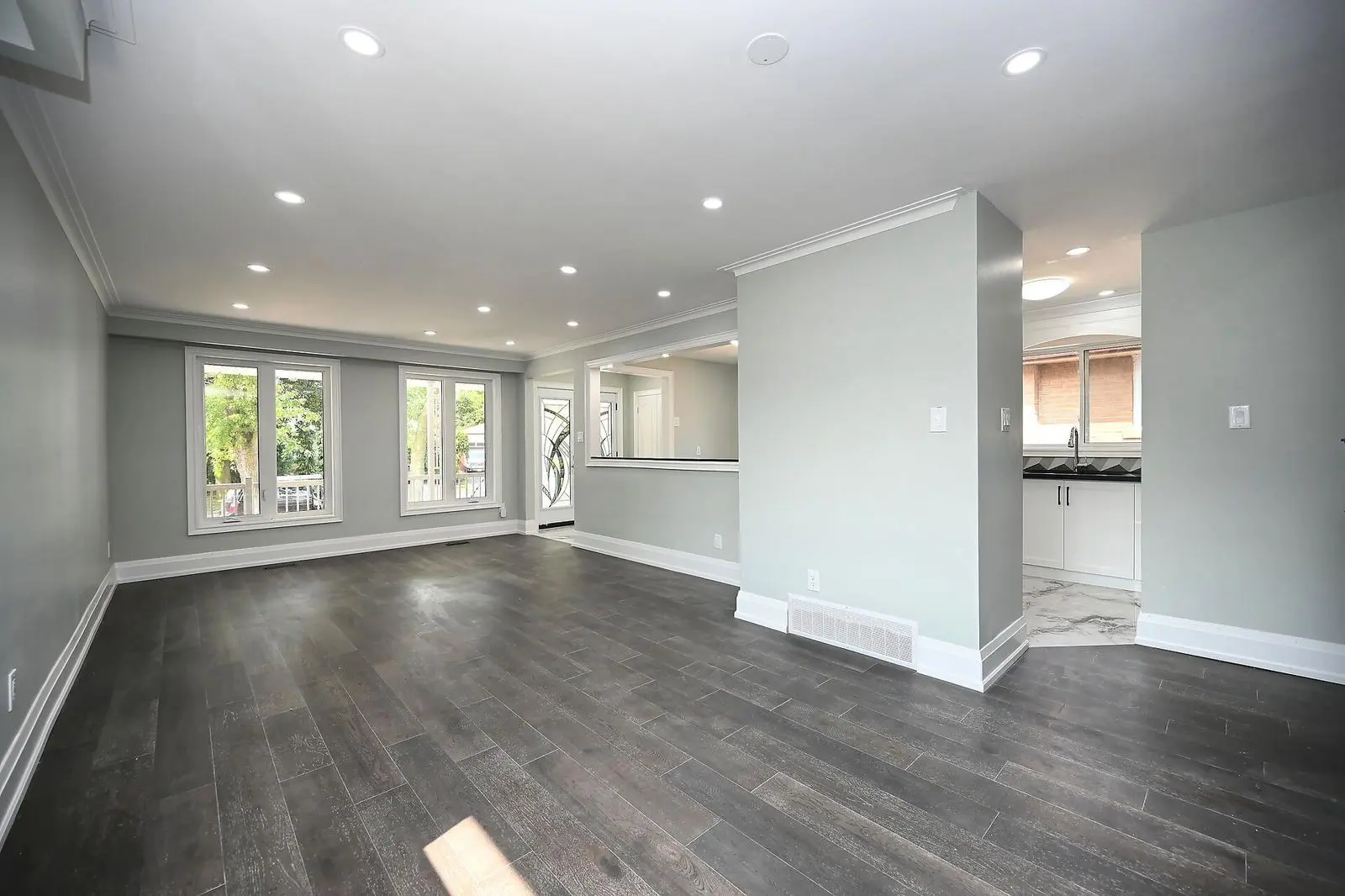
Flooring plays a vital role in defining the comfort, functionality, and aesthetic appeal of any space. Whether it’s a residential upgrade or a commercial project, proper flooring installation is the foundation for durability and long-term performance. Poor installation can lead to issues like uneven surfaces, moisture damage, and premature wear. That’s why understanding the right techniques and best practices is essential for achieving lasting results.
Why Proper Flooring Installation Matters
Flooring is not just about appearance—it directly impacts the structural integrity and usability of a space. Even high-quality materials can fail if the installation process is not handled correctly. Proper flooring installation ensures stability, enhances lifespan, and reduces the need for frequent repairs or replacements.
From hardwood and laminate to tiles and vinyl, each material requires specific preparation and installation methods. Following the correct approach helps maintain the flooring’s original quality and prevents common issues such as warping, cracking, or shifting.
Choosing the Right Flooring Material
Before starting the installation process, selecting the appropriate flooring material is crucial. The choice should depend on factors such as room usage, foot traffic, climate, and maintenance requirements.
- Hardwood flooring offers timeless appeal but requires controlled humidity levels.
- Laminate flooring is cost-effective and resistant to scratches, making it ideal for high-traffic areas.
- Vinyl flooring is water-resistant and suitable for kitchens and bathrooms.
- Tile flooring is durable and easy to maintain, especially in moisture-prone spaces.
Understanding the strengths and limitations of each option helps ensure that your flooring installation meets both functional and aesthetic needs.
Preparing the Subfloor: The Most Critical Step
One of the most overlooked aspects of flooring installation is subfloor preparation. A clean, level, and dry subfloor is essential for ensuring proper adhesion and stability.
Before installation, make sure to:
- Remove any debris, dust, or old adhesive
- Check for moisture levels and address any dampness
- Repair cracks, holes, or uneven surfaces
- Ensure the subfloor is structurally sound
Skipping this step can lead to long-term issues such as uneven flooring, squeaking, or premature damage.
Acclimating Flooring Materials
Many flooring materials, especially wood and laminate, expand and contract based on temperature and humidity. Acclimation allows the material to adjust to the room’s environment before installation.
To achieve this:
- Store the flooring materials in the installation area for at least 48 hours
- Maintain consistent room temperature and humidity
- Follow manufacturer guidelines for acclimation
Proper acclimation is a key factor in preventing gaps, buckling, or warping after installation.
Using the Right Tools and Techniques
Precision is essential in flooring installation. Using the correct tools and techniques ensures a professional finish and long-lasting results.
Some important considerations include:
- Measuring accurately to avoid material wastage
- Cutting materials cleanly for tight and seamless fits
- Using appropriate adhesives or underlayment
- Maintaining consistent spacing and alignment
For complex projects, hiring experienced professionals can significantly improve the quality and efficiency of the installation.
Importance of Underlayment
Underlayment is a thin layer placed between the subfloor and the flooring material. It plays a crucial role in enhancing comfort, insulation, and durability.
Benefits of underlayment include:
- Improved sound absorption
- Moisture protection
- Enhanced thermal insulation
- Increased comfort underfoot
Choosing the right underlayment based on the flooring type is essential for maximizing performance and longevity.
Managing Moisture and Ventilation
Moisture is one of the biggest threats to flooring durability. Improper moisture control can cause swelling, mold growth, and structural damage.
To prevent moisture-related issues:
- Test moisture levels before installation
- Use moisture barriers where necessary
- Ensure proper ventilation in the room
- Avoid installing certain flooring types in high-moisture areas without protection
Effective moisture management is critical for maintaining the integrity of your flooring installation.
Allowing Expansion Gaps
All flooring materials expand and contract to some extent. Leaving expansion gaps along the edges of the room allows the flooring to move naturally without causing damage.
These gaps are typically covered with baseboards or trim, ensuring a clean and finished appearance while protecting the flooring from pressure-related issues.
Post-Installation Care and Maintenance
Proper care after flooring installation is just as important as the installation process itself. Regular maintenance helps preserve the flooring’s appearance and functionality over time.
Key maintenance tips include:
- Cleaning regularly with appropriate products
- Avoiding excessive water exposure
- Using furniture pads to prevent scratches
- Addressing spills and stains promptly
Following these practices can significantly extend the life of your flooring.
DIY vs Professional Flooring Installation
While DIY flooring installation may seem cost-effective, it requires skill, precision, and the right tools. Mistakes during installation can lead to costly repairs in the future.
Professional installers bring expertise, efficiency, and quality assurance. They understand material behavior, handle complex layouts, and ensure compliance with industry standards. For long-term durability and peace of mind, professional installation is often the better choice.
Common Mistakes to Avoid
Avoiding common errors can make a significant difference in the success of your flooring installation:
- Ignoring subfloor preparation
- Skipping material acclimation
- Using incorrect adhesives or tools
- Not allowing expansion gaps
- Rushing the installation process
Being aware of these pitfalls helps ensure a smoother and more reliable outcome.
Enhancing Property Value with Quality Flooring
Well-installed flooring not only improves the look and feel of a space but also increases property value. Potential buyers and tenants often consider flooring quality as a key factor when evaluating a property.
Investing in proper flooring installation ensures that your space remains attractive, functional, and valuable for years to come.
Conclusion
Flooring installation is a critical process that requires careful planning, attention to detail, and the right expertise. From selecting suitable materials to preparing the subfloor and ensuring proper maintenance, every step contributes to the overall durability and performance of the flooring.
By following these expert tips, you can achieve long-lasting and visually appealing results that enhance both comfort and value. Whether you choose to take a DIY approach or hire professionals, prioritizing quality in flooring installation will always pay off in the long run.