
Fiber Laser Cleaning Machine for Efficient Industrial Surface Treatment and Rust Removal Solutions
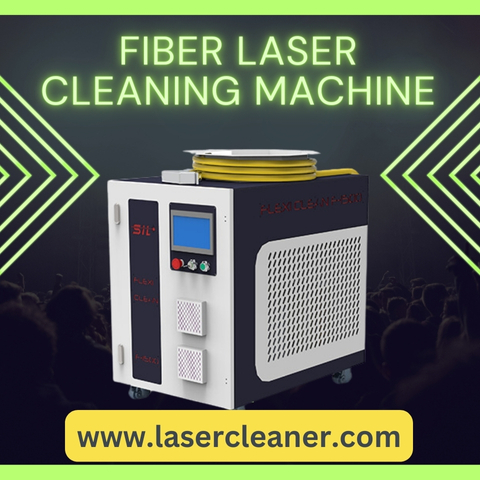
The fiber laser cleaning machine has become a critical tool in modern industries where surface preparation, rust removal, and material restoration are essential. Traditional cleaning methods like sandblasting, chemical solutions, or mechanical grinding often cause damage to base materials, leave residues, or require additional treatment steps. In contrast, this advanced system provides a precise, contact-free, and environmentally responsible approach to surface treatment.
This technology is built on the principle of using high-intensity laser beams directed at contaminated surfaces. The laser energy interacts with rust, paint, grease, or oxide layers, causing them to evaporate or break away without affecting the base material. Over the last decade, the fiber laser cleaning machine has moved from being a specialized tool in aerospace and defense industries to becoming a mainstream solution across manufacturing, automotive, electronics, shipbuilding, and cultural heritage restoration.
Its adoption is fueled by the need for higher productivity, reduced maintenance costs, and compliance with environmental regulations. Businesses across multiple sectors now recognize that investing in a fiber laser cleaning machine provides not only effective cleaning but also long-term operational efficiency.
How the Fiber Laser Cleaning Machine Works
At its core, the fiber laser cleaning machine uses a highly concentrated beam of laser light transmitted through fiber optics. The interaction between the laser and surface contaminants relies on several mechanisms:
- Photothermal effect – The laser energy heats the unwanted layer, causing it to expand and vaporize.
- Photomechanical effect – Rapid heating creates micro-explosions, dislodging particles from the surface.
- Photochemical effect – In some cases, laser light triggers chemical changes that break down contaminants.
The laser wavelength is carefully chosen to ensure it is absorbed by the rust, oxide, or paint but reflected by the base metal. This selective absorption ensures precision cleaning without causing harm to valuable components. The process is entirely non-contact, meaning no physical abrasion occurs, preserving the integrity of the material underneath.
Modern fiber laser cleaning machines often include adjustable power settings, scanning systems, and computer controls. These allow operators to tailor the cleaning process to the material type, thickness of the contamination, and required level of precision.
Industrial Applications of Fiber Laser Cleaning Machine
The versatility of the fiber laser cleaning machine makes it suitable for a wide range of industries.
- Automotive Industry: Car manufacturers use it to remove rust, paint, and coatings from vehicle parts before welding or painting. This ensures strong welds and flawless finishes.
- Aerospace: Precision cleaning of aircraft components, including turbine blades and fuselage parts, is essential to maintain safety standards. The non-damaging nature of laser cleaning makes it ideal.
- Electronics Manufacturing: Removing oxides and contaminants from circuit boards and electronic connectors requires a process that doesn’t compromise delicate materials.
- Shipbuilding: Large-scale rust removal from steel hulls and decks is made easier and faster with laser cleaning, reducing reliance on abrasive blasting.
- Cultural Heritage: Artifacts, sculptures, and historical monuments benefit from non-invasive cleaning that removes dirt and corrosion without harming the original material.
- Tool and Mold Maintenance: In plastic, rubber, or metal industries, molds and tools often accumulate residues that affect performance. Laser cleaning restores them efficiently.
Why Industries are Turning Toward Fiber Laser Cleaning
Companies are increasingly replacing outdated cleaning methods with the fiber laser cleaning machine because it streamlines workflows. Traditional methods require additional steps such as chemical disposal, manual polishing, or protective coatings to prevent damage. Laser cleaning eliminates or reduces these requirements by providing a direct and efficient process.
Another key factor driving adoption is the growing demand for sustainable manufacturing practices. As industries face stricter environmental regulations, reducing chemical waste and dust emissions becomes critical. The fiber laser cleaning machine addresses this concern by operating without consumables or harmful emissions.
Additionally, precision industries like aerospace and electronics require a cleaning process that ensures no micro-cracks, scratches, or contamination remain. Laser technology provides exactly that, making it an indispensable solution.
Practical Considerations in Using Fiber Laser Cleaning Machine
For organizations evaluating whether to adopt the fiber laser cleaning machine, certain operational considerations are important:
- Surface Material: The efficiency of cleaning depends on the reflectivity and absorption rate of the material. Metals, ceramics, and composites respond well, while highly transparent materials require adjustments.
- Contaminant Type: Rust, paint, and oxides are removed effectively, but thicker layers may require multiple passes or higher-powered lasers.
- Work Environment: Since laser cleaning is dust-free and chemical-free, it is suitable for clean environments like electronics production as well as heavy industries like shipyards.
- Operator Training: While the machines are automated, skilled operators ensure maximum efficiency by adjusting parameters for different applications.
Economic Impact of Fiber Laser Cleaning Machine
Investing in a fiber laser cleaning machine is not just a technological upgrade; it’s a financial decision with measurable returns. Industries that implement laser cleaning report reduced downtime, lower consumable expenses, and extended equipment life. Unlike sandblasting or chemical cleaning, which require constant replacement of materials and protective gear, laser cleaning involves minimal operating costs.
Companies can also scale production faster. For example, automotive factories integrating laser cleaning into assembly lines see improved cycle times and fewer defects. Similarly, aerospace firms reduce rework and inspection failures, which directly impacts profitability.
The durability of fiber laser systems further strengthens the economic case. With lifespans often exceeding 100,000 operational hours, the fiber laser cleaning machine offers long-term reliability, minimizing replacement costs.
Technological Advancements in Fiber Laser Cleaning
As demand grows, manufacturers continue to enhance the fiber laser cleaning machine with new features. Current developments include:
- Portable Handheld Units – Compact designs allow field technicians to clean pipelines, bridges, or large structures without transporting equipment.
- Automated Systems – Integrated robotic arms and conveyors allow full automation in factory settings.
- AI-Controlled Scanning – Smart systems optimize cleaning speed, depth, and precision by analyzing surface conditions in real-time.
- Energy Efficiency – Newer models consume less power while delivering higher beam quality.
These innovations ensure that businesses of all sizes, from small workshops to multinational corporations, can adopt fiber laser cleaning according to their requirements.
Environmental Perspective of Fiber Laser Cleaning
One of the strongest arguments for adopting a fiber laser cleaning machine is its environmental impact. Traditional methods such as chemical cleaning contribute to toxic waste and hazardous air pollution, while abrasive blasting generates dust and contaminants. In contrast, laser cleaning is clean, safe, and eco-conscious.
The absence of chemicals eliminates the risk of chemical burns or disposal hazards. No abrasive particles are released into the environment, reducing the risk of respiratory issues for workers. Furthermore, since the process is highly precise, it minimizes material waste and energy consumption.
Industries are increasingly prioritizing sustainable practices, and adopting a fiber laser system directly supports environmental goals while aligning with regulatory compliance.
Final Thoughts
The fiber laser cleaning machine represents a shift in how industries approach surface preparation and rust removal. By combining precision, efficiency, and sustainability, it addresses both operational and environmental challenges. Its growing adoption across automotive, aerospace, electronics, shipbuilding, and cultural preservation demonstrates its adaptability.
As technology continues to evolve, businesses that integrate the fiber laser cleaning machine into their processes stand to gain long-term operational efficiency, reduced costs, and compliance with future industrial standards. This makes it not just a cleaning tool but a cornerstone of modern manufacturing and restoration practices.