


Emotional Intelligence Training: Building Self-Awareness and Human Connection
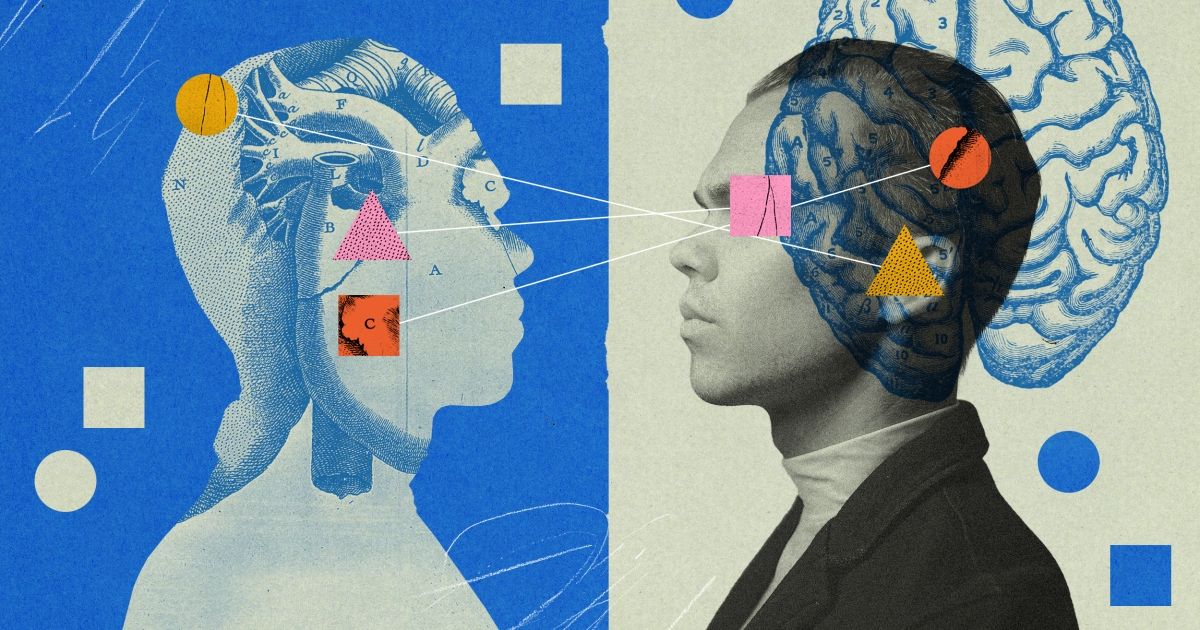
In today’s fast-paced professional and personal environments, success is no longer determined by technical skills alone. The ability to understand emotions, manage reactions, and build strong relationships has become a defining factor in leadership, teamwork, and overall well-being. This is where emotional intelligence training plays a vital role. It equips individuals with the skills needed to navigate complex social situations, make thoughtful decisions, and maintain balance under pressure.
As workplaces become more diverse and collaborative, emotional intelligence is no longer optional—it is essential. From corporate leaders to educators and healthcare professionals, people across all sectors are investing in emotional intelligence development to improve performance and create healthier environments.
What Is Emotional Intelligence?
Emotional intelligence (EI) refers to the ability to recognize, understand, manage, and influence emotions—both your own and those of others. Unlike IQ, which remains relatively stable, emotional intelligence can be developed and strengthened over time through structured learning and practice.
EI is commonly divided into five core components: self-awareness, self-regulation, motivation, empathy, and social skills. Emotional intelligence training focuses on strengthening these areas to help individuals respond rather than react, communicate effectively, and build meaningful connections in both personal and professional settings.
Why Emotional Intelligence Training Matters Today
Modern life brings constant pressure, tight deadlines, digital overload, and high expectations. Without emotional awareness, stress can quickly turn into burnout, conflict, and poor decision-making. Emotional intelligence training provides tools to manage these challenges constructively.
In professional environments, emotionally intelligent employees handle feedback better, collaborate more effectively, and adapt quickly to change. Leaders with high emotional intelligence inspire trust, resolve conflicts calmly, and motivate teams without fear or pressure. On a personal level, emotional intelligence enhances relationships, improves mental health, and promotes inner resilience.
Core Skills Developed Through Emotional Intelligence Training
One of the greatest strengths of emotional intelligence training is its holistic approach to personal development. Participants do not simply learn theory; they gain practical, life-long skills.
Self-awareness helps individuals recognize emotional triggers, strengths, and limitations. Self-regulation teaches control over impulsive reactions and emotional responses. Motivation encourages goal-oriented behavior driven by purpose rather than pressure. Empathy enhances understanding of others’ perspectives and emotions. Social skills strengthen communication, conflict resolution, and teamwork.
Together, these competencies create emotionally balanced individuals who can perform effectively even in high-stress situations.
Emotional Intelligence Training in the Workplace
Organizations worldwide are integrating emotional intelligence training into leadership development and employee wellness programs. The reason is simple: emotionally intelligent teams perform better. They communicate clearly, handle disagreements respectfully, and maintain productivity during challenges.
Training programs help managers lead with empathy, give constructive feedback, and recognize team members’ emotional needs. Employees benefit by learning how to manage stress, improve collaboration, and build confidence in interpersonal interactions. Over time, companies that invest in emotional intelligence experience reduced turnover, improved morale, and stronger organizational culture.
Leadership and Emotional Intelligence
Great leaders are not defined solely by authority or expertise—they are defined by emotional awareness. Emotional intelligence training helps leaders understand how their emotions influence decisions, communication, and team dynamics.
Leaders trained in emotional intelligence remain calm under pressure, listen actively, and respond thoughtfully. They recognize emotional cues within teams and address issues before they escalate. This type of leadership fosters trust, loyalty, and long-term success. In uncertain times, emotionally intelligent leaders become a source of stability and motivation for their teams.
Emotional Intelligence Training for Personal Growth
Beyond professional benefits, emotional intelligence training offers profound personal transformation. Individuals learn how to manage anxiety, handle criticism without defensiveness, and improve self-confidence. Emotional awareness allows people to understand why they feel a certain way and how emotions influence their behavior.
Training also enhances personal relationships. By developing empathy and active listening skills, individuals communicate more openly and resolve conflicts with understanding rather than anger. Over time, this leads to stronger family bonds, healthier friendships, and improved emotional well-being.
How Emotional Intelligence Training Is Delivered
Emotional intelligence training is offered in various formats to suit different learning needs. These include in-person workshops, online courses, executive coaching, and blended learning programs. Many programs use assessments, real-life scenarios, role-playing, and reflective exercises to encourage deep learning.
Effective training focuses on practical application rather than theory alone. Participants practice emotional regulation, communication techniques, and empathy-based problem solving. This experiential approach ensures that emotional intelligence becomes a habit rather than just a concept.
Scientific Support Behind Emotional Intelligence
Research consistently shows that emotional intelligence is a stronger predictor of success than technical skills alone. Studies link high emotional intelligence to better mental health, improved leadership effectiveness, and stronger interpersonal relationships.
Neuroscience also supports emotional intelligence development. The brain’s emotional and rational centers can be trained to work together more effectively. Emotional intelligence training strengthens neural pathways responsible for emotional control, empathy, and decision-making, proving that these skills can be learned and improved at any stage of life.
Who Can Benefit from Emotional Intelligence Training?
Emotional intelligence training is valuable for individuals at all levels and stages of life. Corporate professionals, entrepreneurs, educators, healthcare workers, students, and even parents can benefit from developing emotional awareness.
Anyone who interacts with people—whether in leadership, customer service, teaching, or caregiving—will find emotional intelligence essential. Even individuals seeking personal growth, stress management, or better relationships can gain long-lasting benefits from structured emotional intelligence development.
The Long-Term Impact of Emotional Intelligence Training
The effects of emotional intelligence training extend far beyond immediate improvements. Over time, individuals develop resilience, adaptability, and emotional balance. They become better decision-makers, communicators, and problem-solvers.
For organizations, the long-term impact includes stronger leadership pipelines, healthier workplace cultures, and sustainable performance. On a societal level, emotionally intelligent individuals contribute to more compassionate, respectful, and cooperative communities.
Conclusion
Emotional intelligence training is no longer a luxury—it is a necessity in a world driven by human interaction and emotional complexity. By developing self-awareness, empathy, and emotional regulation, individuals unlock their full potential both personally and professionally.
Whether applied in leadership, teamwork, or personal relationships, emotional intelligence creates lasting positive change. Investing in emotional intelligence training is ultimately an investment in clarity, connection, and long-term success.