

EICR in Hackey: A Practical Guide for Landlords and Property Owners
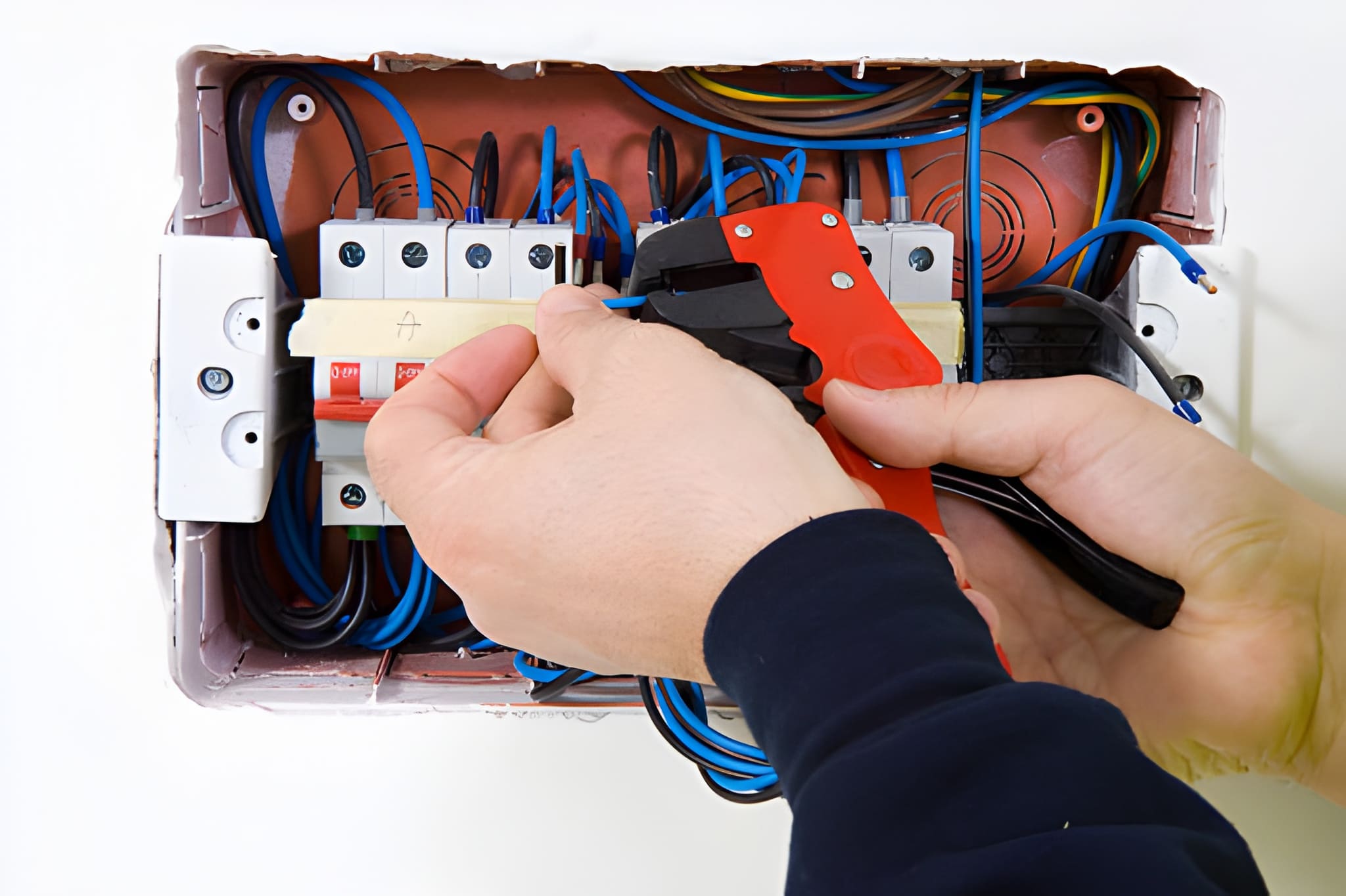
Electrical safety has become one of the most scrutinised areas of rental property compliance in the UK. As regulations tighten and enforcement increases, landlords operating in Hackey must understand how electrical inspections protect tenants, reduce legal exposure, and safeguard property value. This guide explains what landlords need to know, how inspections work, and why professional electrical reporting is no longer optional.
For many property owners, EICR in Hackey represents not just a legal obligation but a practical framework for managing electrical risk in older and mixed-use housing stock.
Understanding Electrical Safety Responsibilities
Electrical installations naturally degrade over time. Wires loosen, consumer units age, and safety standards evolve. In a borough like Hackey, where Victorian conversions sit alongside modern flats, electrical conditions can vary significantly even within the same street.
An Electrical Installation Condition Report (EICR) assesses whether fixed electrical systems are safe for continued use. It identifies wear, outdated components, poor workmanship, and hidden risks that could lead to electric shock or fire if left unaddressed.
By 2026, landlords are expected to demonstrate not only that inspections have been carried out, but that identified issues have been resolved promptly and documented correctly.
Why Electrical Inspections Matter in Hackey’s Housing Market
Aging Property Stock
Many Hackey properties still rely on electrical systems installed decades ago. While these systems may appear functional, they often fail to meet modern safety standards. Overloaded circuits, insufficient earthing, and obsolete fuse boards are common findings during inspections.
Higher Tenant Density
Hackey’s rental market features high occupancy rates, HMOs, and frequent tenant turnover. Increased electrical usage places additional strain on installations, raising the likelihood of faults if systems are not regularly assessed.
Stricter Enforcement
Local authorities now actively monitor electrical compliance. Failure to provide valid documentation or complete remedial work can result in penalties, enforcement notices, or restrictions on property use.
This is why EICR in Hackey has become a priority issue rather than a background administrative task.
What an EICR Inspection Covers
Fixed Electrical Installations
An inspection evaluates wiring systems, sockets, switches, consumer units, bonding, and earthing arrangements. Portable appliances are not included unless specified separately.
Condition Codes Explained
Electrical reports classify findings using standard codes:
- C1 – Immediate danger requiring urgent action
- C2 – Potentially dangerous conditions
- C3 – Improvement recommended
Any report containing C1 or C2 issues is considered unsatisfactory until remedial work is completed.
Inspection Frequency
Most rental properties require inspection at least every five years or sooner if recommended by the electrician. Changes in tenancy may also trigger earlier assessments.
Landlord Responsibilities in 2026
Timely Action on Findings
Completing an inspection alone is not enough. Landlords must ensure that remedial work is carried out within the required timeframe and that confirmation of repairs is properly recorded.
Record Keeping
Documentation must be retained and shared with tenants when required. Accurate records protect landlords during disputes, insurance claims, and local authority reviews.
Using Qualified Professionals
Reports must be produced by competent, qualified electricians. Many landlords choose experienced providers such as London Property Inspections to ensure reports are reliable, compliant, and clearly documented.
This proactive approach significantly reduces long-term risk and administrative stress.
Real-World Example from Hackey
A landlord managing a converted Victorian terrace arranged an inspection after tenants reported intermittent power loss. The EICR revealed outdated wiring and inadequate bonding across multiple flats.
Because issues were addressed promptly, the landlord avoided enforcement action, improved tenant satisfaction, and strengthened insurance coverage. The case highlights how EICR in Hackey functions as both a safety and asset-protection tool.
Common Misconceptions Among Landlords
“The electrics work fine, so inspection isn’t urgent.”
Electrical faults often develop silently. Many hazards are invisible until professionally tested.
“Once I have a certificate, I’m covered forever.”
Reports expire, and recommendations must be acted upon. Compliance is ongoing, not one-off.
“Minor issues can be ignored.”
Even C3 observations may become mandatory in future regulatory updates.
How Electrical Compliance Supports Property Value
Well-maintained electrical systems reduce emergency repairs, improve tenant confidence, and strengthen resale prospects. Buyers increasingly expect documented safety histories when evaluating investment properties.
Regular inspections demonstrate responsible ownership and professional management, especially in competitive rental areas like Hackey.
Preparing for Future Regulatory Changes
Electrical safety standards continue to evolve alongside new technologies, energy efficiency measures, and tenant protection policies. Landlords who integrate inspections into routine property management will adapt more easily to future regulatory updates.
In this context, EICR in Hackey should be viewed as a strategic investment rather than a compliance burden.
Conclusion
Electrical safety is now a core responsibility for Hackey landlords in 2026. From protecting tenants to preserving property value and avoiding enforcement action, structured inspection processes are essential. Working with trusted professionals such as London Property Inspections ensures clarity, compliance, and peace of mind in an increasingly regulated rental environment.
Frequently Asked Questions
1. What does an EICR actually assess?
It evaluates the safety and condition of fixed electrical installations, identifying faults, deterioration, and compliance with current safety standards.
2. How often is an inspection required?
Most rental properties require inspection every five years, or earlier if recommended or if tenancy circumstances change.
3. Can tenants request a copy of the report?
Yes. Landlords must provide a copy within the required timeframe once the inspection is completed.
4. Who is responsible for fixing issues found in the report?
The landlord is responsible for arranging and completing any required remedial work.
5. Why is EICR in Hackey particularly important for older properties?
Older buildings often contain outdated wiring and components that may no longer meet modern safety expectations.