
Drywall Repairs After Water Damage: Step-by-Step Guide
Water damage is one of the most common and most stressful home problems in Fort Worth. A sudden storm, plumbing leak, roof issue, or HVAC malfunction can quickly soak drywall, leaving behind stains, swelling, cracks, and even structural concerns. What starts as a small wet spot can turn into mold growth or wall failure if not handled correctly. Drywall repairs in Fort Worth, TX are essential for protecting your home’s structure, indoor air quality, and long-term value.
The goal is simple—help Fort Worth homeowners understand what to do, what to expect, and how to repair drywall properly after water damage.
Why Water Damage Is a Big Issue in Fort Worth Homes
Fort Worth’s weather patterns play a major role in drywall damage. Heavy rainstorms, flash flooding, foundation shifts, and aging plumbing systems all contribute to moisture problems inside homes.
Common causes of drywall water damage in Fort Worth include:
- Roof leaks after storms
- Burst or leaking pipes
- Slab leaks
- HVAC condensation issues
- Poor drainage around foundations
- Appliance leaks (washers, water heaters, dishwashers)
Drywall is highly absorbent. Once water penetrates it, the damage spreads quickly, often behind paint and beneath the surface where it’s not immediately visible.
Why Drywall Repairs After Water Damage Can’t Wait
Delaying drywall repair after water damage can lead to serious consequences.
Wet drywall can:
- Lose structural integrity
- Sag, crack, or crumble
- Harbor mold and mildew
- Damage insulation and framing
- Cause paint and texture failure
- Create unpleasant odors
Timely drywall repairs protect both your home and your health. Moisture trapped behind walls is a perfect environment for mold growth, which can impact indoor air quality and cause respiratory issues.
Step 1: Identify and Stop the Water Source
Before any drywall repair begins, the source of water must be identified and fixed. Repairing drywall without addressing the root cause guarantees the problem will return.
This step may involve:
- Plumbing repairs
- Roof repairs
- Foundation drainage corrections
- HVAC servicing
Once the water source is fully resolved, drywall repair can proceed safely.
Step 2: Assess the Extent of Drywall Damage
Not all water-damaged drywall needs full replacement. A proper assessment determines whether repair or removal is required.
Signs drywall must be replaced include:
- Soft or spongy texture
- Crumbling edges
- Visible mold growth
- Severe swelling or warping
- Persistent moisture after drying
Minor water stains or surface damage may be repairable, but structural saturation almost always requires drywall removal.
Professional drywall contractors in Fort Worth use moisture meters to detect hidden damage inside walls and ceilings.
Step 3: Remove Damaged Drywall Safely
When drywall is beyond repair, removal is necessary. This step prevents mold spread and allows underlying materials to dry properly.
The process includes:
- Cutting out damaged drywall sections
- Removing wet insulation
- Exposing framing for inspection
Careful removal ensures clean edges for future patching and avoids unnecessary damage to surrounding areas.
Step 4: Dry the Area Thoroughly
Drying is one of the most critical steps in drywall repairs after water damage.
Professionals use:
- Industrial air movers
- Dehumidifiers
- Targeted airflow systems
Drying times vary depending on humidity, material saturation, and airflow. Rushing this step can trap moisture behind new drywall, leading to mold or future failure.
In Fort Worth’s humid climate, proper drying is especially important.
Step 5: Inspect for Mold and Structural Issues
Once the area is dry, inspections are performed to check for mold, mildew, or structural damage.
Mold commonly appears:
- On drywall backing
- In insulation
- On wood studs
If mold is found, remediation is required before drywall repairs continue. Ignoring mold risks health issues and long-term property damage.
Structural components like studs and framing are also checked for rot or weakness.
Step 6: Install New Drywall Panels
After preparation, new drywall installation begins.
This includes:
- Cutting drywall to precise measurements
- Securing panels to framing
- Ensuring proper alignment
- Using moisture-resistant drywall where needed
In areas prone to moisture, such as bathrooms or laundry rooms, moisture-resistant drywall is often recommended.
Correct installation ensures smooth finishes and long-term durability.
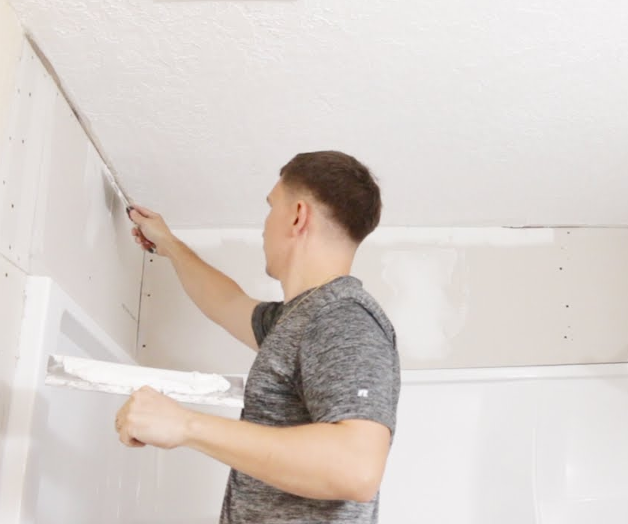
Step 7: Taping, Mudding, and Seam Finishing
Drywall seams must be reinforced and smoothed to create a seamless wall surface.
This step involves:
- Applying joint tape
- Layering joint compound (mud)
- Allowing proper drying time between coats
- Sanding for a smooth finish
Experienced drywall professionals understand how to blend repairs with existing walls so the repair is invisible once painted.
Step 8: Texture Matching and Surface Finishing
Texture matching is often the most challenging part of drywall repair, especially in Fort Worth homes with custom or older textures.
Common textures include:
- Orange peel
- Knockdown
- Skip trowel
- Smooth finish
Matching texture requires skill and experience. Poor texture matching can make repairs obvious and reduce visual appeal.
Step 9: Priming and Painting
Once repairs are complete, surfaces are primed to seal drywall and prevent stains from bleeding through paint.
High-quality primer:
- Blocks water stains
- Improves paint adhesion
- Ensures uniform color
Painting completes the repair and restores the wall or ceiling to its original appearance.
Preventing Future Drywall Water Damage
While some water damage is unavoidable, many issues can be prevented with proactive steps.
Prevention tips include:
- Regular plumbing inspections
- Roof maintenance after storms
- Proper grading and drainage
- HVAC servicing
- Quick response to leaks
Early detection is key. Addressing small leaks quickly prevents major drywall repairs later.
DIY vs Professional Drywall Repairs in Fort Worth
Some minor drywall repairs can be handled by homeowners, but water damage repairs often require professional expertise.
DIY may be risky because:
- Hidden moisture can be missed
- Mold may not be properly addressed
- Structural damage can go unnoticed
- Poor repairs reduce home value
Professional drywall repair services bring experience, tools, and knowledge that ensure safe, durable results.
Why Professional Experience Matters
Experienced drywall repair contractors understand:
- Fort Worth building styles
- Local moisture challenges
- Proper materials for Texas climates
- Building codes and safety standards
Trusted providers like Essential Home Solutions combine hands-on experience with professional techniques to deliver long-lasting drywall repairs after water damage.
Cost Considerations for Drywall Repairs After Water Damage
Costs vary depending on:
- Extent of damage
- Size of affected area
- Presence of mold
- Drying requirements
- Texture complexity
While professional repairs may seem costly upfront, they prevent expensive future problems like mold remediation or full wall replacement.
Signs You Need Immediate Drywall Repair
Contact a professional if you notice:
- Brown or yellow water stains
- Bubbling or peeling paint
- Sagging ceilings
- Soft or crumbling drywall
- Musty odors
These signs indicate moisture damage that should be addressed immediately.
Final Thoughts
Drywall repairs in Fort Worth, TX are not just about appearance—they’re about safety, structure, and long-term home protection. In Fort Worth’s climate, moisture problems are common, but with the right steps, damage can be repaired effectively and prevented in the future.
By stopping the water source, properly drying the area, repairing or replacing damaged drywall, and finishing surfaces correctly, homeowners can restore their walls and ceilings with confidence.
Professional drywall repair ensures the job is done right the first time, protecting your home’s value and your family’s health.
With experienced providers, careful inspections, and proper materials, drywall repairs after water damage can restore both function and peace of mind.