
Discovering the Highest-Strength Materials for Fasteners
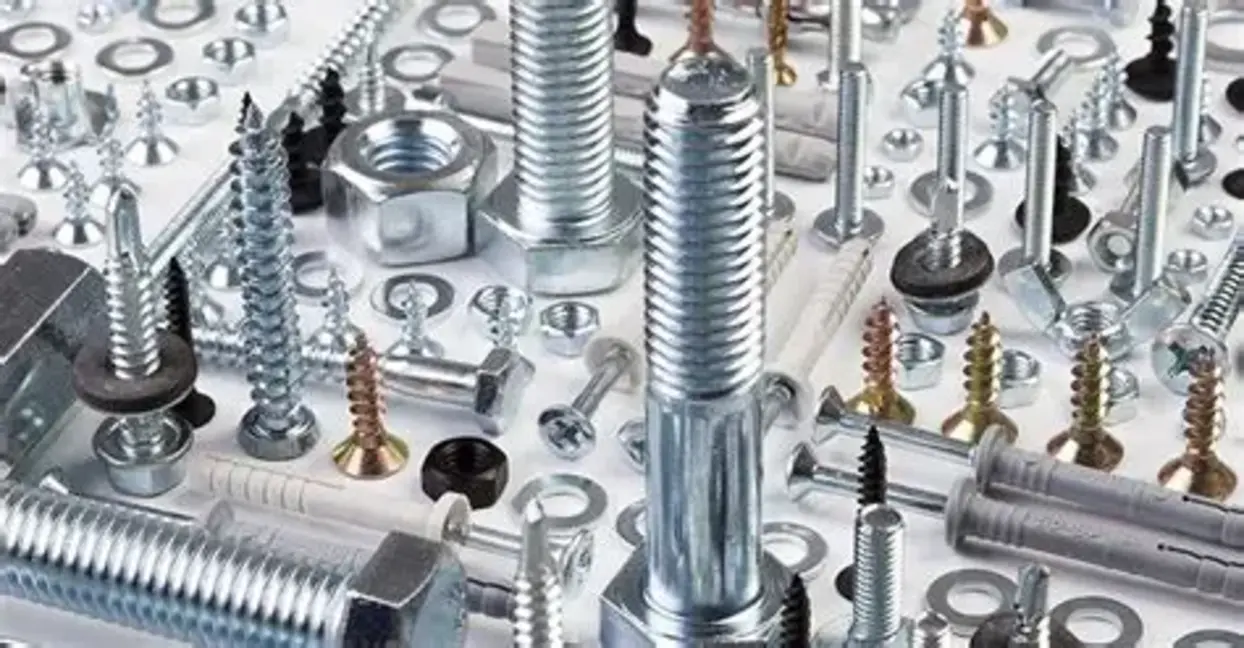
Selecting the right materials for fasteners isn’t just a design choice. It’s a performance and safety decision that affects everything from product lifespan to compliance, serviceability, and long-term cost. As industries push for lighter systems, higher loads, and more demanding environments, the need for stronger and more reliable fastening materials grows.
This overview breaks down the highest-strength materials for fasteners used today. It explains what makes them effective, where they’re typically applied, and what engineers should consider when specifying them.
Best fasteners shop: toko baut & mur – tokohasil
Why Fastener Material Selection Matters
Fasteners may represent a small portion of a product’s total cost, but they’re often one of the first points of failure when the wrong material is used. Poor material selection can lead to:
- Premature corrosion
- Stress cracking
- Fatigue failure
- Loss of preload
- Galling
- Overly high replacement or maintenance costs
For global industries operating across diverse climates and regulatory requirements, choosing the right fastener material directly supports reliability, certification, and performance.
High-Strength Carbon and Alloy Steel
When strength is the priority and corrosion risk can be managed, alloy and carbon steels remain the foundation of high-performance fasteners.
Carbon Steel
Common grades include 8.8, 10.9, and 12.9 for bolts and screws. These deliver high tensile strength at a competitive price. Grade 12.9, for example, provides tensile strength above 1220 MPa, making it suitable for automotive, mechanical, and heavy-equipment applications.
Advantages:
- Very high strength
- High availability
- Cost-effective
Considerations:
Requires surface coating for corrosion protection
Not ideal for marine or chemical exposure
Alloy Steel
Alloy steels such as chrome-molybdenum (e.g., ASTM A193 B7) offer improved toughness and heat resistance. They’re widely used in pressure vessels, power plants, and structural assemblies.
Advantages:
- Improved high-temperature performance
- Excellent mechanical strength
Considerations:
- Typically requires plating
- Not suited for highly corrosive environments without surface treatment
- Stainless Steel for Corrosion Resistance and Strength
Stainless steel fasteners combine good mechanical strength with excellent resistance to corrosion. They are essential for global industries where climates and regulatory standards vary.
A2 Stainless (304)
A2 is the most common choice for general corrosion resistance.
Best for:
Outdoor equipment, consumer products, industrial systems not exposed to chlorides.
A4 Stainless (316)
A4 (316) provides stronger resistance to saltwater, chemicals, and acidic conditions. In many marine and offshore projects, A4 stainless steel is the default choice.
Stronger Stainless Variants
For applications needing higher strength, grades like 17-4 PH and A286 deliver tensile strength far above common stainless varieties. A286, for instance, offers excellent performance at elevated temperatures, making it useful in aerospace and gas-turbine systems.
Advantages:
- Strong corrosion resistance
- Reliable, predictable performance
- Suitable for outdoor and marine use
Considerations:
Lower tensile strength than carbon/alloy steel (unless using specialty grades)
Costlier than basic steel fasteners
Titanium Fasteners for High Strength-to-Weight Ratio
Titanium fasteners have become standard in aerospace, motorsport, medical devices, and high-end industrial systems. Their value lies in combining exceptional strength with significant weight reduction.
Key benefits:
- High strength-to-weight ratio
- Excellent corrosion resistance
- Non-magnetic
- Performs well in extreme temperatures
Grade 5 titanium (Ti-6Al-4V) is the most widely used due to its balance of strength and machinability.
Trade-offs:
- Higher cost
- Requires careful handling to avoid galling
- May not be necessary for general applications
For teams aiming to reduce mass without compromising safety, titanium often delivers the best return on investment despite its upfront price.
Superalloys for Extreme Environments
Some industries—especially aerospace, defense, and energy—demand materials for fasteners that withstand high heat, corrosive chemicals, and extreme fatigue cycles. This is where superalloys come in.
Inconel
Inconel fasteners (such as Inconel 718) maintain strength at temperatures where stainless steel would deform. They resist oxidation and perform reliably in turbine engines, downhole drilling tools, and chemical processing plants.
Hastelloy
Hastelloy fasteners serve in aggressive chemical environments, including acids, chlorine systems, and high-temperature corrosion.
Monel
Monel fasteners excel in seawater, acids, and alkaline conditions, making them a strong choice for marine engineering and desalination systems.
Advantages:
- Exceptional performance at high temperatures
- Chemical and corrosion resistance
- Outstanding fatigue and creep strength
Considerations:
Very expensive
Usually reserved for mission-critical applications
When High-Strength Plastic Fasteners Make Sense
While metal dominates high-strength fastener applications, engineered plastics have a growing place in electrical, medical, and lightweight assemblies.
Materials such as polyetheretherketone (PEEK) or nylon-based composites offer:
- High chemical resistance
- No magnetic interference
- Electrical insulation
- Lightweight performance
They’re not a substitute for steel in load-bearing applications, but they meet specific design needs where metal fasteners would fail.
Key Factors When Choosing Materials for Fasteners
Regardless of industry, selection should be guided by:
- Load and strength requirements
- Corrosion exposure (salt, chemicals, humidity)
- Temperature range
- Weight limits
- Regulatory standards (ISO, ASTM, DIN)
- Service environment and expected lifespan
Cost versus performance needs
Specifying fasteners early in the design process can prevent redesigns, ensure certification compliance, and reduce lifecycle costs.
Final Thoughts
Advances in engineering continue to expand what’s possible with modern fasteners. From high-strength alloy steel to superalloys designed for extreme conditions, today’s materials offer a wide range of solutions for global industries. By understanding the strengths and trade-offs of each material, designers and engineers can choose fasteners that improve reliability, reduce maintenance, and support long-term performance.