
Different Types of Kitchen Exhaust Fans Explained
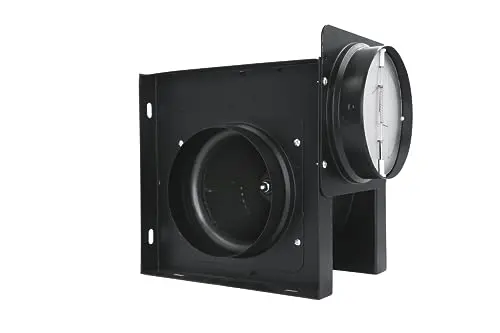
A well-functioning kitchen exhaust fan is essential for maintaining a clean, safe, and comfortable cooking environment. From removing smoke and grease to controlling heat and odors, the right exhaust system plays a crucial role in improving indoor air quality. However, choosing the right type of kitchen exhaust fan can be confusing, especially with so many options available.
This guide explains the different types of kitchen exhaust fans, their features, and how to choose the best one based on your kitchen layout and needs.
Why a Kitchen Exhaust Fan Is Important
Cooking releases smoke, oil particles, heat, and moisture into the air. Without proper ventilation, these elements can accumulate, leading to poor air quality, unpleasant odors, and even long-term damage to walls and cabinets.
A kitchen exhaust fan helps remove contaminated air and replace it with fresh air, creating a healthier and more comfortable cooking space. It also reduces the risk of grease buildup and improves overall kitchen hygiene.
1. Wall-Mounted Kitchen Exhaust Fans
Wall-mounted exhaust fans are one of the most common types used in residential kitchens. Installed on an exterior wall, they directly expel air outside.
Key Features:
- Easy installation and maintenance
- Suitable for small to medium-sized kitchens
- Cost-effective option
- Efficient removal of smoke and odors
This type of kitchen exhaust fan is ideal for homes where ducting through the wall is convenient. It provides reliable ventilation without requiring complex setups.
2. Ceiling-Mounted Kitchen Exhaust Fans
Ceiling-mounted fans are installed overhead and are typically connected to ductwork that vents air outside. These are often used in kitchens where wall installation is not feasible.
Key Features:
- Saves wall space
- Effective for larger kitchens
- Even air distribution
- Works well with central ventilation systems
A ceiling-mounted kitchen exhaust fan is a great choice for modern kitchens with open layouts or limited wall access.
3. Inline (Duct) Kitchen Exhaust Fans
Inline exhaust fans are installed within the duct system rather than directly in the kitchen. They pull air through ducts and expel it outside, offering powerful and quiet operation.
Key Features:
- High airflow capacity
- Reduced noise levels
- Suitable for large or commercial kitchens
- Can ventilate multiple areas
This type of kitchen exhaust fan is often preferred in settings where strong ventilation is required without excessive noise.
4. Range Hood Exhaust Fans
Range hood fans are installed directly above the cooking area and are designed to capture smoke, steam, and grease at the source. They are one of the most effective kitchen ventilation solutions.
Types of Range Hoods:
- Wall-mounted range hoods
- Under-cabinet range hoods
- Island range hoods
Key Features:
- Directly targets cooking emissions
- Available in ducted and ductless options
- Stylish designs to match modern kitchens
- Includes filters for grease and odor removal
A range hood kitchen exhaust fan is ideal for homeowners who want both functionality and aesthetics.
5. Exhaust Fans with Ductless (Recirculating) Systems
Ductless exhaust fans do not vent air outside. Instead, they use filters to clean the air and recirculate it back into the kitchen.
Key Features:
- Easy installation without ductwork
- Suitable for apartments or condos
- Uses charcoal or carbon filters
- Lower installation cost
While not as powerful as ducted systems, a ductless kitchen exhaust fan is a practical solution for spaces where external venting is not possible.
6. Window-Mounted Kitchen Exhaust Fans
Window-mounted fans are installed directly in a window and are used to expel air outside. They are a simple and budget-friendly option for ventilation.
Key Features:
- Quick and easy installation
- No need for complex ducting
- Ideal for temporary or small kitchens
- Affordable solution
This type of kitchen exhaust fan is best suited for smaller spaces or situations where permanent installation is not desired.
7. Commercial Kitchen Exhaust Fans
Commercial kitchens require heavy-duty ventilation systems due to high cooking volumes and heat generation. These exhaust fans are designed for durability and high performance.
Key Features:
- High airflow capacity
- Built for continuous operation
- Handles grease, smoke, and heat efficiently
- Complies with safety and ventilation standards
A commercial-grade kitchen exhaust fan is essential for restaurants, cafes, and food service businesses.
How to Choose the Right Kitchen Exhaust Fan
Selecting the right kitchen exhaust fan depends on several factors:
Kitchen Size
Larger kitchens require fans with higher airflow capacity, measured in cubic meters per hour (CMH) or cubic feet per minute (CFM).
Installation Type
Consider whether your kitchen allows wall, ceiling, or duct installation. This will determine the type of fan you can use.
Noise Level
If noise is a concern, opt for inline or low-noise models that provide efficient ventilation without disruption.
Energy Efficiency
Choose energy-efficient models to reduce electricity consumption and operating costs.
Maintenance Requirements
Look for fans with easy-to-clean filters and accessible components to ensure long-term performance.
Common Mistakes to Avoid
When choosing a kitchen exhaust fan, avoid these common errors:
- Selecting a fan with insufficient airflow
- Ignoring proper ducting requirements
- Overlooking noise levels
- Skipping regular maintenance
- Choosing style over functionality
Making informed decisions ensures your kitchen exhaust fan performs effectively and lasts longer.
Maintenance Tips for Long-Term Performance
To keep your kitchen exhaust fan working efficiently:
- Clean filters regularly to prevent grease buildup
- Check ducts for blockages
- Inspect the fan motor periodically
- Replace worn-out parts when needed
Proper maintenance not only improves performance but also extends the lifespan of your ventilation system.
Final Thoughts
Understanding the different types of kitchen exhaust fans helps you choose the right solution for your space. Whether you opt for a wall-mounted unit, a range hood, or a powerful inline system, each type offers unique benefits tailored to specific needs.
A well-chosen kitchen exhaust fan not only enhances air quality but also improves comfort, safety, and the overall cooking experience. By investing in the right system and maintaining it properly, you can ensure a cleaner, healthier, and more efficient kitchen environment for years to come.