
Diatomaceous Earth: A Natural Material with Powerful Benefits
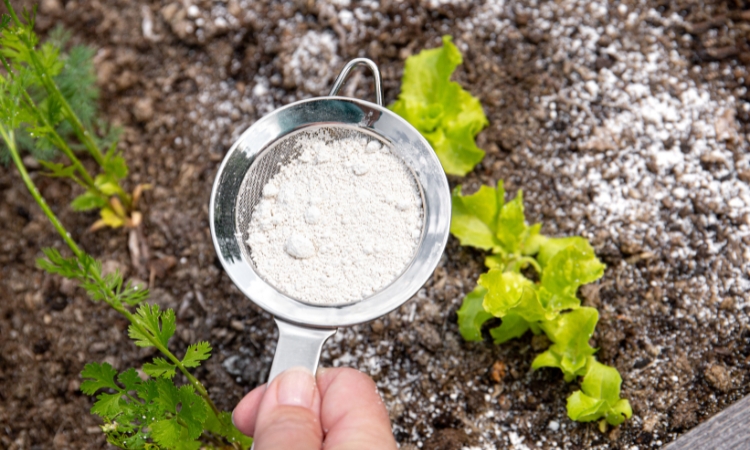
Diatomaceous earth is a naturally occurring mineral substance that has earned widespread recognition for its versatility and effectiveness across many industries. Formed from the fossilized remains of microscopic aquatic organisms called diatoms, this material is rich in silica and features a highly porous structure. These natural characteristics give diatomaceous earth its unique functional properties, making it valuable in applications ranging from industrial filtration to agriculture and construction.
To fully understand What Is Diatomaceous Earth, it is important to look at its natural origin and composition. Over millions of years, diatoms settled in oceans, lakes, and rivers, leaving behind silica-based shells that gradually formed mineral deposits. When processed, these deposits become a fine powder that is lightweight, absorbent, and chemically stable, allowing it to perform effectively in a wide variety of environments.
Natural Composition and Formation
The formation of diatomaceous earth is a slow geological process that results in a material with exceptional purity and structure. Diatom shells are composed mainly of amorphous silica, which differs from crystalline silica in both structure and behavior. This amorphous form contributes to the safety and versatility of diatomaceous earth when handled and applied correctly.
Its porous structure creates a large surface area, enabling it to trap particles, absorb liquids, and provide insulation. These qualities are central to its performance in industrial and environmental applications, setting it apart from many other natural minerals.
Key Physical Properties
One of the most powerful benefits of diatomaceous earth is its high absorbency. Each particle contains countless microscopic pores that can hold liquids, oils, and other substances efficiently. This makes it an excellent choice for spill absorption, filtration, and moisture control.
In addition, diatomaceous earth is lightweight and has low thermal conductivity. These properties enhance its effectiveness as an insulating material and as a filler in various products. Its mild abrasive nature also allows it to be used in applications that require gentle cleaning or polishing without causing damage.
Industrial and Commercial Applications
Diatomaceous earth plays a crucial role in industrial filtration processes. It is widely used to filter beverages, edible oils, chemicals, and water by capturing impurities while maintaining flow efficiency. This ensures high-quality output and reliable performance in production systems.
In manufacturing, diatomaceous earth is used as a functional filler in paints, coatings, plastics, and rubber products. It improves texture, reduces weight, and enhances durability while keeping production costs manageable. The construction industry also benefits from its inclusion in cement and insulation materials, where it contributes to strength and thermal efficiency.
Benefits in Agriculture and Pest Management
Agriculture is another field where diatomaceous earth demonstrates powerful benefits. It improves soil structure by enhancing aeration and moisture retention, supporting healthier plant growth. These properties make it a valuable soil amendment in sustainable farming practices.
Diatomaceous earth is also known for its role in pest control. Its abrasive particles damage the protective outer layer of insects, leading to dehydration. This physical mode of action makes it a non-toxic alternative to chemical pesticides when used appropriately, particularly in grain storage and crop protection.
Environmental and Safety Advantages
As a natural material, diatomaceous earth is valued for its environmental compatibility. It does not introduce harmful chemicals into ecosystems and can often replace synthetic materials that have a higher environmental impact. This makes it an attractive choice for industries focused on sustainability.
From a safety standpoint, diatomaceous earth is chemically inert and non-reactive. While proper handling is always recommended, its stability and low toxicity contribute to its widespread use in applications where safety is a priority.
Contribution to Energy Efficiency
Diatomaceous earth also supports energy efficiency through its insulating properties. By reducing heat transfer, it helps maintain stable temperatures in industrial systems and buildings. This leads to lower energy consumption and improved operational efficiency.
Its ability to withstand high temperatures further enhances its usefulness in thermal insulation and fire-resistant applications. These characteristics make diatomaceous earth a reliable material in environments exposed to extreme heat.
Economic Value Across Industries
The multifunctional nature of diatomaceous earth provides economic advantages across industries. Its versatility allows it to serve multiple roles, reducing the need for additional materials and simplifying supply chains. This leads to cost savings without compromising performance.
Its natural abundance and relatively simple processing also make it a cost-effective solution for large-scale applications. Industries can depend on diatomaceous earth for consistent quality and availability.
Conclusion
Diatomaceous earth stands out as a natural material with powerful benefits, offering absorbency, filtration efficiency, insulation, and environmental compatibility. Its wide range of applications demonstrates its importance in modern industrial, agricultural, and construction practices.
For high-quality diatomaceous earth solutions that meet industry standards, Amol Minechem Limited provides reliable products designed for performance and consistency. By choosing the right grade of diatomaceous earth, businesses can achieve efficiency, safety, and long-term value.