

Denim Tears in High Fashion: From Skepticism to Celebration
The Rise of a Cultural Statement
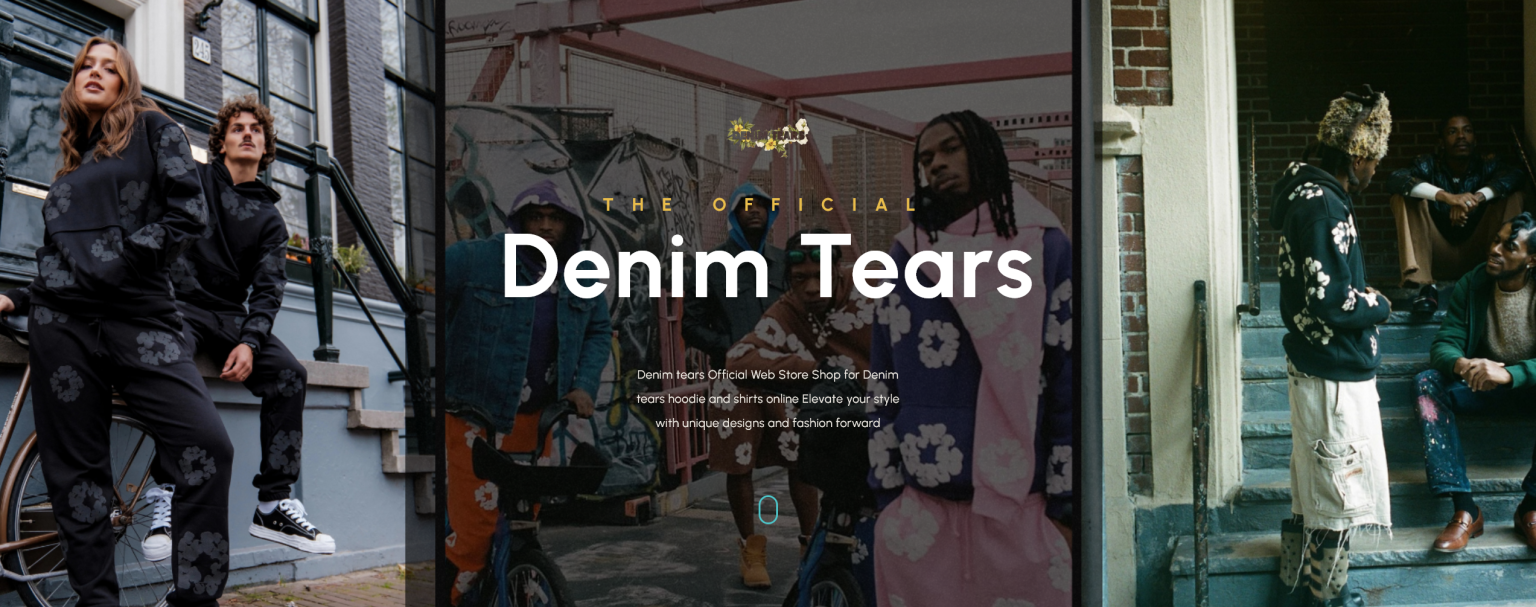
In the fast-moving, often insular world of high fashion, trends emerge, peak, and vanish with dizzying speed. Yet, every so often, denim tears a brand comes along that transcends trends, reshaping the conversation around what fashion can mean. Denim Tears, founded by Tremaine Emory in 2019, is one such phenomenon. From its inception, the brand has challenged the norms of the luxury industry by merging streetwear aesthetics, historical storytelling, and unapologetic political commentary. What began as a niche label, often misunderstood or even dismissed by some corners of the fashion establishment, has now become a celebrated force in global high fashion.
A Vision Beyond Clothing
Denim Tears is more than denim. It is a tapestry of cultural memory, woven with threads of history, identity, and resistance. Emory, who also serves as Creative Director at Supreme, created the brand with the intent of confronting historical amnesia—specifically the legacy of slavery and systemic racism in America—through clothing. Every pair of jeans, T-shirt, and accessory carries symbols and motifs that spark conversation, whether it’s cotton wreaths representing enslaved labor or collaborations that highlight Black cultural contributions.
At first glance, such a politically charged approach seemed like an odd fit for high fashion, an industry sometimes accused of detachment from social realities. But this was precisely the point: Denim Tears sought not just to participate in the luxury space, but to disrupt it.
Skepticism in the Early Days
When Denim Tears first appeared, reactions from the fashion press and consumers were divided. The industry’s elite, used to the cyclical nature of trends and often wary of overtly political branding, questioned whether a label so anchored in cultural critique could thrive in luxury markets. Skeptics saw it as a passion project for a niche audience rather than a scalable brand. Some even dismissed the designs as “too on-the-nose” for an industry that typically preferred subtler nods to cultural themes.
Furthermore, Denim Tears’ heavy reliance on symbolism and narrative risked alienating customers who preferred fashion as escapism rather than confrontation. In a space where aesthetics often outweigh message, Emory was betting on the idea that the two could coexist—and that the story would make the style stronger.
Breaking Into the Luxury Conversation
The turning point came through strategic collaborations and high-visibility partnerships. Denim Tears linked up with brands like Levi’s, Converse, and Dior, translating its historical and political storytelling into the language of high fashion while retaining authenticity. These collaborations not only broadened its reach but also softened skepticism, proving that meaningful storytelling could coexist with marketable style.
Runway appearances and limited drops became events in themselves. Pieces sold out quickly, and the secondary market buzz only reinforced their desirability. High fashion insiders began to recognize that the brand’s emotional depth gave it staying power beyond the hype cycle.
The Role of Storytelling in Fashion
One of Denim Tears’ most powerful contributions to high fashion has been its redefinition of storytelling in design. While many luxury houses draw on heritage, archives, and historical references, Denim Tears approaches history as a living, contested space. Rather than romanticizing the past, it confronts its brutality and its lingering consequences.
For example, Emory’s cotton wreath motif—a recurring symbol—forces a confrontation with the history of slavery in the American South. It transforms the fabric of denim, once a working-class material and a product of enslaved labor, into a luxury statement piece that refuses to be divorced from its origins. In doing so, Denim Tears asks the wearer not only to look good but to think deeply.
From Streetwear to Runway
The blending of streetwear and luxury fashion is no longer a novelty, but Denim Tears has taken the fusion further by bringing deeply personal and historically loaded imagery into spaces once dominated by abstract design and aspirational fantasy. Its success reflects a broader shift in high fashion, where cultural credibility and authenticity are now as important as craftsmanship.
Unlike many streetwear brands that adapt their designs for the runway, Denim Tears brings the runway into its designs—luxury-quality garments that carry the unfiltered ethos of the street. This approach resonates with a new generation of consumers who value meaning alongside aesthetics.
High Fashion’s Embrace
Today, the same industry that once eyed Denim Tears with caution now embraces it as a leader in culturally conscious design. High-profile fashion weeks feature its collaborations, celebrities wear its pieces on red carpets, and luxury retailers stock its collections alongside legacy houses. What once seemed “too political” has become part of the fashion conversation, proving that the appetite for authentic, story-driven design is stronger than ever.
Critics who once doubted the brand’s longevity now see it as part of a growing movement to diversify not just who is represented in fashion, but how stories are told. Denim Tears is no longer just a clothing line—it is a cultural brand that has carved out its own corner of the high fashion world.
The Cultural Shift It Represents
The journey of Denim Tears reflects a broader transformation in the luxury market. Fashion consumers today are more politically aware, socially conscious, and digitally connected. They demand transparency, authenticity, and alignment with their values. For many, clothing is not just about self-expression but about signaling beliefs, histories, and solidarities.
By placing the African American experience at the heart of its designs, Denim Tears challenges the industry to confront its own history of exclusion and appropriation. It offers a counter-narrative to the sanitized, Eurocentric histories often celebrated in luxury branding, replacing them with raw, unfiltered truths.
Celebration Without Complacency
Despite its success, Denim Tears remains committed to its founding mission. Rather than softening its messages for wider appeal, it continues to create work that challenges and provokes. This refusal to dilute its identity has earned it respect across creative industries—from music to visual art—cementing its reputation as a brand with integrity.
The celebration of Denim Tears in high fashion is not the end of the story but the beginning of a new chapter. Its presence opens doors for more culturally grounded brands to enter the luxury space without compromising their narratives. It proves that fashion can be both beautiful and uncomfortable, aspirational and confrontational.
Conclusion: A Legacy in the Making
Denim Tears’ evolution from skepticism to celebration is a testament to the power of vision, storytelling, and persistence. In an industry that Denim Tears Sweatpants often prizes novelty over depth, Tremaine Emory has shown that meaning can be the ultimate luxury. What began as a bold experiment has grown into a cultural force, reminding the world that fashion is not just about what we wear—it is about the histories we carry and the futures we imagine.
As the brand continues to influence the luxury landscape, one thing is clear: Denim Tears is not simply riding the wave of cultural consciousness in fashion—it is helping to shape it. And in doing so, it has turned doubt into admiration, skepticism into celebration, and garments into powerful statements of identity and truth.