Creating Dynamic Light Shows with Beam Lights for Large Music Festivals and Outdoor Events
Introduction
Large music festivals and outdoor events are all about energy, excitement, and unforgettable visual experiences. While sound plays a major role, lighting is what truly transforms the atmosphere and brings performances to life. Beam lights are one of the most effective tools for creating dramatic and dynamic light shows that capture audience attention across large spaces.
When used correctly, beam lights can cut through darkness, create moving patterns in the sky, and synchronize with music to enhance emotional impact. However, designing a successful light show requires planning, creativity, and the right equipment setup. In this guide, we will explore how to build dynamic lighting experiences using beam lights for large-scale events.
Understanding Theater Stage Lights in Large Events
To build a strong lighting foundation, it is important to understand how theater stage lights contribute to large event productions. These lights are traditionally used for controlled stage environments, but modern technology has expanded their use into outdoor festivals and concerts.
Theater lighting systems include spotlights, wash lights, and beam fixtures that can be combined to create layered visual effects. In outdoor environments, these lights help define stage boundaries, highlight performers, and add depth to the overall scene.
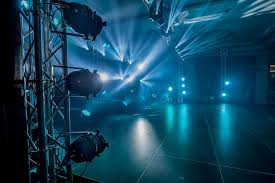
Beam lights, in particular, are highly valued because they produce narrow, intense shafts of light that remain visible even over long distances. This makes them perfect for large crowds and open-air venues where visibility is key.
What Makes Beam Lights Special
Beam lights are different from other lighting fixtures because of their sharp and focused output. Instead of spreading light widely, they project concentrated beams that can travel long distances. This creates striking aerial effects that are especially impressive at night.
In music festivals, beam lights are often used to sync with beats, creating rhythmic movements in the sky. When multiple beams are used together, they can form patterns, waves, and tunnels of light that move in harmony with the music.
Their ability to remain visible in fog, haze, or smoke makes them even more effective in outdoor environments where atmospheric effects are commonly used to enhance visuals.
Designing a Dynamic Light Show
Creating a successful light show with beam lights requires thoughtful planning. The goal is not just to add brightness but to create a visual experience that complements the music and energy of the event.
Start by understanding the structure of the performance. Identify key moments in the music where lighting changes can enhance emotional impact. For example, build-ups, drops, and transitions are ideal moments for dynamic beam effects.
Next, consider how the audience will experience the show. Outdoor festivals often have large viewing areas, so lighting must be visible from multiple angles. Beam lights should be positioned strategically to ensure full coverage and maximum impact.
Key Elements of Beam Light Shows
Several important elements contribute to effective beam light design:
Movement
Beam lights are most powerful when they move in sync with music. Smooth pans, tilts, and rotations create energy and excitement.
Synchronization
Timing is everything. Lights should match beats, transitions, and key musical moments to enhance emotional connection.
Layering
Combining multiple beams at different angles creates depth and complexity in the visual design.
Color Control
While beam lights are often used for white or bright tones, modern fixtures allow for color variation, adding creativity to the design.
Atmospheric Effects
Using haze or fog helps make beams visible in the air, creating dramatic sky effects that enhance the audience experience.
Building Energy in Outdoor Festivals
Outdoor festivals require lighting that can compete with large open spaces and varying environmental conditions. Beam lights are ideal because they can project far and remain visible even in challenging environments.
To build energy effectively, lighting designers often start with subtle movements and gradually increase intensity as the music builds. During peak moments, multiple beam lights are used together to create intense visual bursts that match the energy of the crowd.
This gradual build-up keeps the audience engaged and enhances emotional impact throughout the performance.
Positioning and Setup Strategy
Proper placement of beam lights is essential for achieving the best results. Lights are typically installed on trusses, towers, or stage structures to ensure wide coverage.
Angles should be carefully adjusted to avoid overlapping beams that may reduce visual clarity. Instead, beams should be spread across different directions to create dynamic movement and depth.
Height also plays an important role. Higher placement allows beams to cover larger areas, while lower placement creates more intense and focused effects closer to the stage.
Integrating Stage Lighting Equipment for Sale
When designing large-scale lighting setups, choosing the right stage lights for sale is essential for achieving professional results. High-quality beam lights offer better brightness, smoother movement, and more reliable performance during long events.
Investing in durable equipment ensures that lights can withstand outdoor conditions such as wind, humidity, and temperature changes. It also reduces the risk of technical issues during live performances, which is crucial for maintaining audience engagement.
Modern stage lighting systems often include DMX control, allowing designers to program complex sequences and synchronize multiple fixtures seamlessly. This level of control is essential for large music festivals where precision and timing are critical.
Enhancing Audience Experience
The ultimate goal of any light show is to enhance the audience experience. Beam lights contribute by creating immersive environments that connect visuals with music.
When beams move across the sky in sync with sound, they create a sense of unity and excitement among the crowd. This emotional connection is what makes large festivals memorable and impactful.
Lighting designers must always consider how the audience perceives the show from different distances and angles. A well-designed beam light show ensures that every viewer, whether near the stage or far away, enjoys the same visual experience.
Helpful Tips for Better Beam Light Shows
Start simple and gradually build complexity in your lighting design.
Use fog or haze to make beams more visible and dramatic.
Always test lighting cues during rehearsals to ensure proper synchronization.
Balance movement and stillness to avoid overwhelming the audience.
Coordinate closely with sound engineers to match lighting with music structure.
These practices help create smooth, professional, and visually engaging performances.
Common Mistakes to Avoid
Even experienced designers can make mistakes when working with beam lights:
- Overusing effects without considering audience focus
- Poor synchronization with music
- Incorrect positioning leading to uneven coverage
- Ignoring weather conditions in outdoor setups
- Using too many beams without proper planning
Avoiding these mistakes ensures a cleaner, more impactful light show.
FAQs
Q1: Are beam lights suitable for small events?
Yes, but they are most effective in large venues where their long-range effects can be fully appreciated.
Q2: Do beam lights require fog or haze?
Yes, atmospheric effects help make beams visible and enhance their visual impact.
Q3: Can beam lights be synchronized with music?
Yes, modern systems allow full synchronization using DMX controllers and software.
Q4: How many beam lights are needed for a festival?
It depends on stage size and design complexity, but large festivals often use multiple units for full coverage.
Q5: Are beam lights energy efficient?
Modern LED-based beam lights are much more energy efficient than traditional lighting systems.
Final Words
Creating dynamic light shows with beam lights requires creativity, planning, and the right equipment. When used effectively, they transform large music festivals and outdoor events into immersive visual experiences that captivate audiences.By understanding theater stage lights and how they integrate into larger systems, designers can build layered, powerful lighting effects that enhance every performance. Choosing reliable stage lights for sale ensures long-lasting performance and consistent results in demanding outdoor environments.
For professional event organizers and production teams, Sound Dance ships products to the USA, offering high-quality lighting solutions designed to support large-scale festivals and dynamic stage productions.