Cosmetic Filling Machine Safety Standards You Should Know
The beauty and personal care industry has experienced exponential growth over the past decade. With this expansion comes an increased responsibility to maintain rigorous safety standards across all manufacturing processes. Whether you’re operating a small boutique cosmetics line or managing a large-scale production facility, understanding the safety requirements for your equipment is paramount. One of the most critical pieces of machinery in any cosmetics manufacturing environment is the filling system.
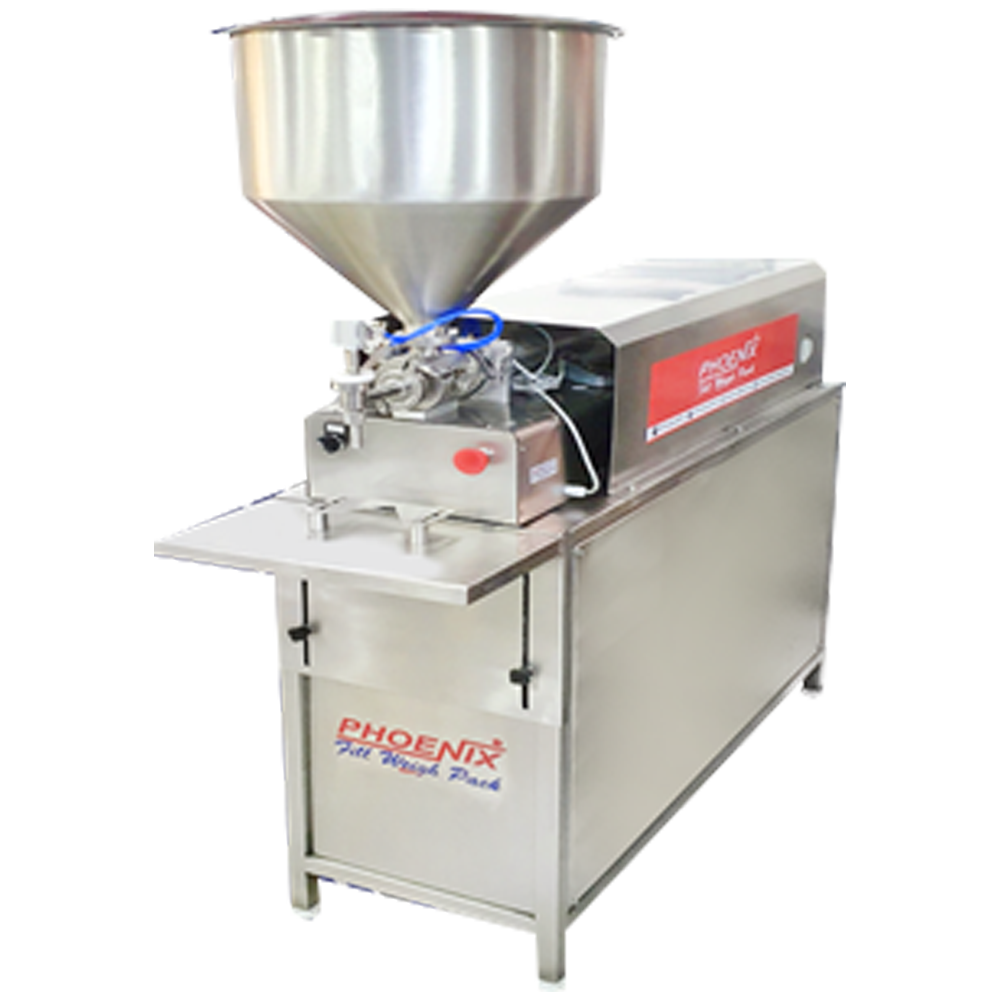
A cosmetic cream liquid filling machine represents a significant investment and plays a crucial role in maintaining product quality, consistency, and safety. In this comprehensive guide, we’ll explore the essential safety standards you need to know to keep your operations compliant and your products safe.
Why Safety Standards Matter in Cosmetic Manufacturing
The cosmetics industry is heavily regulated by organizations such as the FDA, EU regulations, and various international bodies. These regulations exist not merely as bureaucratic requirements but as fundamental safeguards for consumer protection. When products are filled incorrectly or using non-compliant equipment, the risks extend beyond financial losses—they can result in product recalls, legal liability, and most importantly, potential harm to consumers.
Safety standards for cosmetic filling machinery address multiple critical areas: product integrity, worker protection, environmental compliance, and manufacturing precision. A cosmetic cream liquid filling machine that operates outside safety parameters can introduce contaminants, create inconsistent dosages, or cause workplace hazards.
Key Safety Standards for Filling Equipment
Hygiene and Contamination Control
One of the most important aspects of cosmetic filling machinery is maintaining sterile conditions. The equipment must prevent microbial contamination, chemical residue, and physical debris from compromising your products. Industry standards require that all contact surfaces be constructed from food-grade or pharmaceutical-grade materials that resist corrosion and don’t interact with your formulations.
Regular cleaning validation is essential. Many manufacturers implement CIP (Clean-in-Place) systems that meet pharmaceutical standards, even for non-pharmaceutical cosmetics. This proactive approach ensures that residue from previous batches doesn’t contaminate new products.
Material Compatibility
Your cosmetic cream liquid filling machine must be compatible with the specific products you’re manufacturing. Different formulations require different materials—some bases react with certain metals, while others require special polymers. Using incompatible materials can lead to product degradation, discoloration, or contamination that renders batches unusable.
Before investing in any filling system, conduct thorough compatibility testing. Document all chemical interactions and establish baseline parameters for your specific product range.
Accuracy and Consistency Standards
Precision filling isn’t just about customer satisfaction—it’s a safety and regulatory requirement. Underfilled containers may suggest tampering or quality issues, while overfilling can waste product and create packaging problems. Most regulatory bodies require filling accuracy within 1-3% of the target volume.
Modern equipment should include automated checks, weight verification systems, and real-time monitoring capabilities. These features not only ensure compliance but also help identify equipment malfunctions before they impact entire production runs.
Pressure and Temperature Controls
Many cosmetic formulations are sensitive to temperature fluctuations and pressure changes. Equipment must maintain stable environmental conditions throughout the filling process. Inadequate temperature control can cause products to separate, crystallize, or change viscosity in ways that affect both safety and efficacy.
Similarly, pressure regulators must be properly calibrated to prevent equipment damage and ensure consistent product flow. Regular pressure testing should be documented as part of your maintenance protocol.
Regulatory Compliance Framework
FDA Compliance
In the United States, cosmetic manufacturers must comply with FDA guidelines under the Federal Food, Drug, and Cosmetic Act. While cosmetics aren’t pre-approved like pharmaceuticals, they must be manufactured in facilities that follow Current Good Manufacturing Practice (CGMP) standards for cosmetics.
Your equipment should support your ability to meet these requirements, including proper documentation, batch traceability, and quality control measures.
ISO Standards
ISO 9001 and ISO 22716 (Good Manufacturing Practice for cosmetics) provide internationally recognized frameworks for manufacturing excellence. Many manufacturers pursue these certifications to demonstrate their commitment to safety and quality. Equipment selection should facilitate meeting these standards.
CE Marking Requirements
If you operate in Europe or export to European markets, your equipment must carry CE marking, indicating compliance with the Machinery Directive 2006/42/EC. This certification confirms that the equipment meets essential health and safety requirements.
Best Practices for Equipment Safety
- Documentation and Maintenance: Establish comprehensive maintenance schedules and maintain detailed records. This documentation protects you legally and helps identify patterns that might indicate emerging issues.
- Staff Training: Operators must understand the equipment thoroughly. Regular training sessions should cover proper operation, emergency procedures, and troubleshooting. Well-trained staff are your first line of defense against safety issues.
- Regular Audits: Conduct internal audits of your filling operations at least quarterly. These audits should verify that equipment continues to meet standards and that no deviations have occurred.
- Spare Parts Management: Keep critical spare parts readily available. Equipment downtime might seem like only a production issue, but it can lead to improvised solutions that compromise safety.
- Supplier Relationships: Maintain strong relationships with your equipment suppliers. They can provide valuable insights about your specific system and alert you to any known issues or recalls.
Conclusion
Understanding and implementing proper safety standards for cosmetic filling machinery is not optional—it’s a fundamental business responsibility. By ensuring your cosmetic cream liquid filling machine meets all applicable standards, you protect your customers, your employees, and your business reputation. The investment in compliant, well-maintained equipment pays dividends through improved product quality, reduced recalls, and sustained customer trust. As the cosmetics industry continues to evolve, staying informed about safety standards and regulatory changes will keep your operation ahead of compliance curves and poised for sustainable growth.
Thanks, Viewpen.online