
Common Reasons Standby Generators Need Repairs in Menlo Park
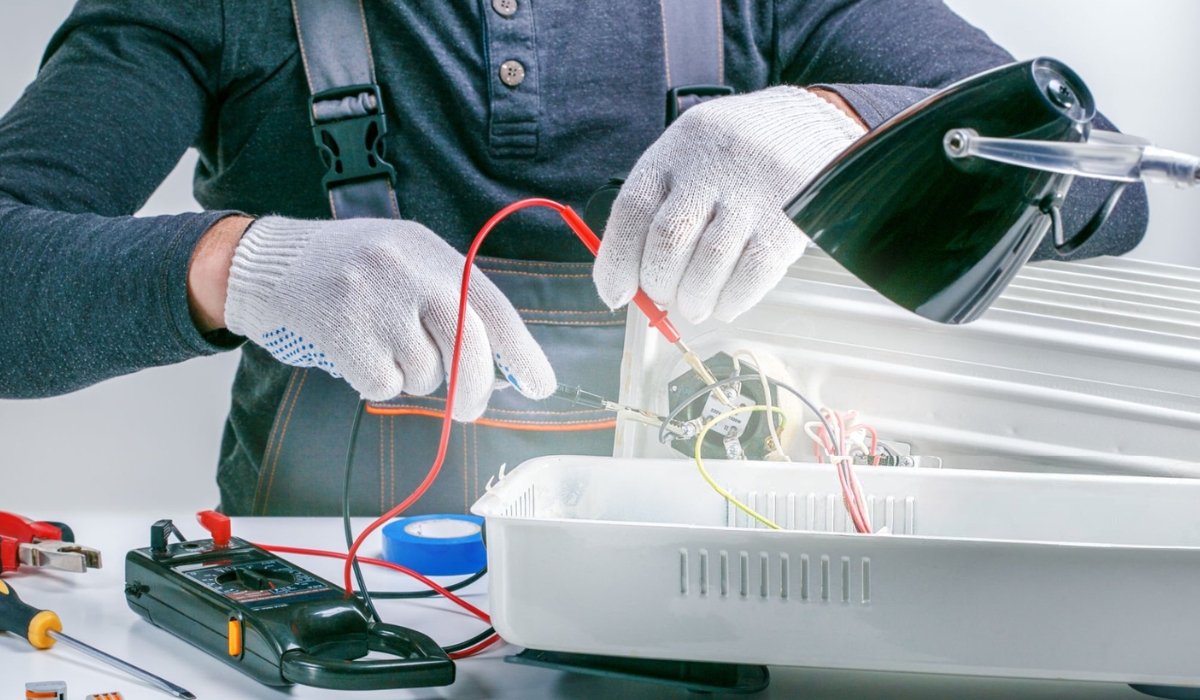
A standby generator is a vital piece of equipment for many homes in Menlo Park. With our tall trees and coastal weather, power outages can happen when we least expect them. A generator gives you peace of mind, but like any machine with an engine, it needs regular care to stay reliable. If your generator hasn’t been checked in a while, it might not start when the next storm hits. Here are some of the most common reasons why these systems need professional attention.
Battery Failure and Connection Issues
The number one reason for a generator not starting is a dead or weak battery. Just like a car, a standby generator uses a battery to crank the engine. Because generators sit idle for most of the year, the battery can lose its charge or develop corrosion on the terminals.
Over time, lead-acid batteries can suffer from “sulfation,” which makes it impossible for them to hold enough power to start the engine. It is also common for the battery cables to wiggle loose due to the vibrations of the machine during its weekly test runs. If you notice your generator struggling to turn over, it is a clear sign that you need generator repair services in Menlo Park CA to test the battery and clean the connections. Replacing your battery every three to four years is a simple way to avoid this common headache.
Clogged Fuel Systems and Bad Fuel
If your generator runs on diesel or gasoline, the fuel itself can become a problem. When fuel sits for a long time without being used, it starts to break down and turn into a sticky “sludge.”
Blocked Fuel Lines
This sludge can clog the fuel lines and the carburetor, preventing the engine from getting the energy it needs to run. Even for natural gas or propane generators, a faulty fuel pressure regulator can cause the engine to sputter or stall. Keeping the fuel system clean is essential for a smooth start during an emergency.
Air in the Fuel System
Sometimes, air can get trapped in the fuel lines, especially if the generator hasn’t been run recently. This air blocks the flow of fuel to the engine, causing it to fail right when you need it. Regular “exercise” cycles—where the generator runs for a few minutes once a week—help keep the fuel moving and the lines clear of air bubbles.
Low Coolant and Oil Levels
Your generator is a powerful engine that creates a lot of heat. It relies on coolant and oil to stay at a safe temperature. If these fluids get too low, the system will automatically shut down to protect itself from melting or seizing up.
Coolant Leaks
Coolant leaks often happen at the hoses or the radiator. In the Menlo Park climate, temperature changes can cause rubber hoses to crack or become brittle over time. If you see a colored puddle under your generator, it is likely a coolant leak that needs to be fixed before the engine overheats.
Dirty or Low Oil
Oil keeps the moving parts of the engine slippery so they don’t rub together and cause damage. If the oil is old or dirty, it can’t do its job well. Most manufacturers recommend changing the oil after every 100 hours of use or at least once a year. Checking your oil level once a month is a quick way to make sure your engine is ready for a long-term outage.
General Wear and Tear from the Elements
Because standby generators live outside, they are exposed to the California weather every day. Dust, moisture, and even local pests can cause problems inside the cabinet.
- Damaged Wires: Mice or squirrels sometimes crawl into the warm enclosure and chew on the electrical wires, which can cause a short circuit.
- Dirty Air Filters: Dust and debris from our wooded neighborhood can clog the air filter, making the engine work much harder than it should.
- Corroded Parts: Moisture from our morning fog can lead to rust on the enclosure or the internal components, which can eventually lead to mechanical failure.
The Importance of Professional Maintenance
Most of these common problems are easy to prevent with a regular check-up. A professional technician can spot a leaking hose or a weak battery long before it causes a total system failure. By scheduling a service call once or twice a year, you ensure that your generator stays in “Auto” mode and is ready to take over the second the power goes out. Investing in a little bit of repair work today can save you from a very dark and uncomfortable night in the future.