Choosing the Ideal Gardening Gloves: What to Know
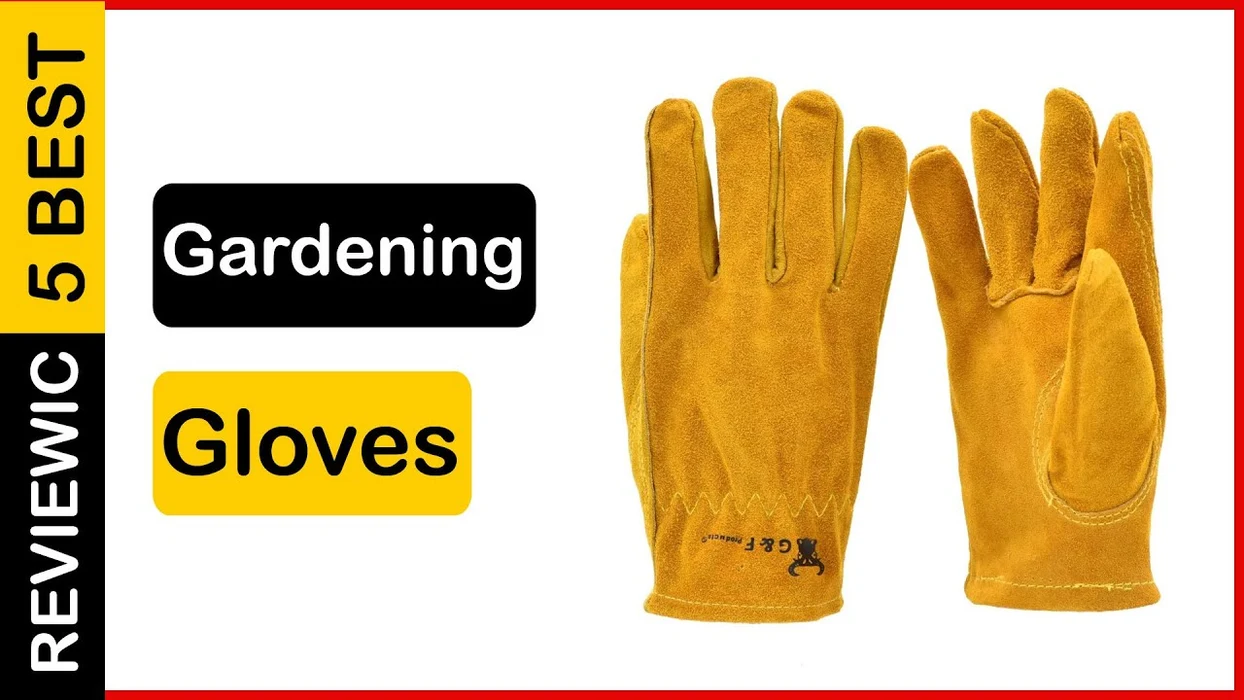
Gardening is rewarding, but it also exposes your hands to cuts, moisture, chemicals, thorns, and rough surfaces. The right gardening gloves protect you from all of that while letting you work with accuracy and comfort. With so many materials and designs now on the market, choosing the best pair can feel overwhelming. This guide breaks the process down, highlighting the key qualities to look for and explaining how different glove types match specific tasks. Whether you manage large commercial landscapes or tend a home garden, the right choice will improve safety, efficiency, and overall satisfaction.
Why Gardening Gloves Matter
Good gardening gloves do more than shield your hands. They help you keep a steady grip on tools, avoid blisters, and maintain control during fine work. They also support hygiene by keeping your skin away from fertilizers, pesticides, and soil bacteria. For professionals, the choice is even more important because gloves affect endurance over long workdays. When gloves fit well and move easily with your hands, productivity rises and strain falls. This makes glove selection not just a matter of comfort but also a matter of performance.
Key Features to Consider
Material
The material determines durability, flexibility, and protection. Each option has strengths for different tasks.
Leather: A classic choice for heavy duty work. Leather offers strong resistance to abrasion and punctures, which makes it ideal for handling branches, lumber, and thorny plants. Goat and cow leather remain common because they balance toughness with flexibility. Leather gloves do require regular care to keep them soft and long lasting.
Nitrile: Lightweight and resistant to moisture and chemicals. Nitrile coated gloves provide excellent grip, especially when working with wet soil or tools. They suit tasks that involve fine finger movement such as planting seedlings or potting.
Latex: Flexible and budget friendly. Latex coated gloves perform well against abrasion and offer a secure grip. They are generally used for general purpose gardening but are not ideal for people with latex allergies.
Cotton and Polyester: Comfortable and breathable. These materials suit light gardening tasks where protection is less critical. They allow airflow, which helps keep hands cool in warm climates.
Fit and Comfort
A well fitted glove feels like a natural extension of your hand. Gloves that are too tight reduce circulation and cause fatigue. Gloves that are too loose slip during work and increase the risk of blisters. Look for designs shaped to match the natural curve of the hand. Elastic cuffs, adjustable straps, and stretch panels also help maintain a secure fit.
Grip
A strong grip matters in almost every gardening activity. Features such as textured palms, rubberized coatings, or raised patterns help you hold tools confidently. Grip is especially important when working in wet or muddy conditions.
Protection Level
Different tasks call for different levels of protection. When dealing with roses, citrus trees, or thorny shrubs, you need thick and puncture resistant gloves. When mixing fertilizers or chemicals, gloves must resist moisture and provide a barrier against irritation. For pruning and trimming, reinforced fingertips and knuckle guards offer added safety.
Breathability
Gardening can involve hours outdoors. Breathable gloves reduce sweat buildup and help you stay comfortable. Knit backings, mesh panels, and moisture wicking linings are all features that support airflow.
Matching Glove Types to Tasks
Planting and Potting
For planting seeds, repotting plants, or handling delicate roots, choose lightweight gloves with high flexibility. Nitrile coated or latex coated options work well because they allow precise movement. The focus here is comfort, sensitivity, and grip.
Pruning and Thorny Work
This is where leather gloves shine. Their resistance to punctures makes them the safest option for rose care, blackberry clearing, and any task with sharp branches. Some manufacturers offer extended cuffs to protect the forearms during deep pruning.
Watering and Wet Conditions
For constant exposure to moisture, waterproof or partially waterproof gloves are essential. Look for nitrile coated or rubber coated gloves with a sealed palm. These keep hands dry while still offering control.
Heavy Duty Landscaping
When lifting stones, carrying lumber, or installing hardscape features, choose reinforced gloves with padded palms and abrasion resistant materials. Split leather and synthetic leather blends are strong choices here.
Chemical Handling
Any task involving fertilizers, pesticides, or soil additives requires gloves with clear chemical resistance. Nitrile is the most reliable choice because it prevents absorption and maintains grip even when exposed to liquids.
Caring for Your Gardening Gloves
Proper maintenance extends the lifespan of any pair of gardening gloves. Leather gloves should be cleaned gently and treated with leather conditioner to prevent cracking. Nitrile or latex coated gloves can typically be rinsed and air dried. Fabric gloves should be washed according to their care labels to avoid shrinking or damage. Always store gloves in a cool, dry place to prevent mildew and deterioration.
Final Thoughts
Sarung tangan – mitrasaruta: The right gardening gloves support safety, accuracy, and comfort. By considering material, fit, grip, and intended use, you can choose a pair that strengthens your workflow and protects your hands through every season. For professionals, the right gloves are as essential as any tool in the shed. For home gardeners, they make every task more enjoyable. With so many designs now available worldwide, finding the perfect pair has never been easier.