


Cement vs Tile Fixing Adhesive: What Professionals Recommend Today
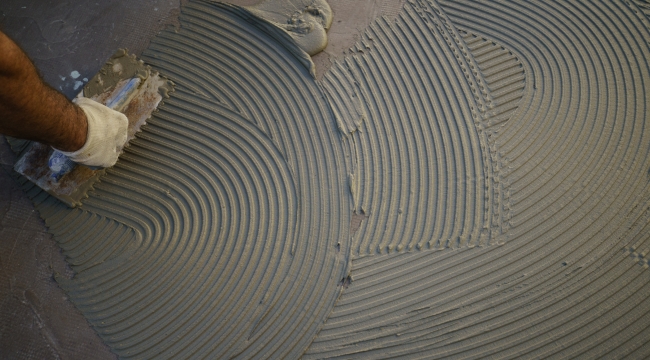
Tile installation is one of the most important aspects of construction, affecting both the aesthetics and durability of a building. For decades, cement mortar has been the standard choice for fixing tiles. However, as construction techniques evolve and quality standards rise, professionals are increasingly exploring alternatives that offer better performance, efficiency, and long-term reliability.
Modern construction demands solutions that not only secure tiles but also ensure durability and ease of application. Tile fixing adhesive has emerged as a preferred option among professionals because of its superior bonding properties, flexibility, and ability to deliver consistent results across various surfaces. Understanding the differences between cement and tile fixing adhesive helps homeowners, builders, and contractors make informed decisions.
Understanding Cement Mortar
Cement mortar has been widely used for tile fixing due to its affordability and availability. It is usually prepared on-site by mixing cement, sand, and water. While this traditional method has proven effective for years, it comes with limitations. The quality of cement mortar can vary depending on the skill of the labor and the mixing ratios, which may lead to uneven bonding and weaker adhesion over time.
Cement requires thicker application layers, increasing material consumption and adding weight to the substrate. It is also rigid, making it less capable of accommodating structural movements, temperature changes, or vibrations. As a result, tiles installed with cement are prone to cracking, debonding, or hollow sounds, especially in high-traffic areas.
Advantages of Tile Fixing Adhesive
Tile fixing adhesives are factory-manufactured, pre-formulated products designed to deliver consistent performance. They are made with polymers and additives that enhance adhesion, flexibility, and water resistance. Unlike cement mortar, which can vary depending on on-site preparation, adhesives offer uniform quality that professionals can rely on.
Adhesives allow tiles to bond firmly to a wide range of surfaces, including concrete, plaster, gypsum boards, and even existing tiles. Their flexibility ensures that minor structural movements or thermal expansions do not compromise the integrity of the installation. This makes tile adhesives ideal for both residential and commercial applications.
Faster and Cleaner Installation
One of the key reasons professionals prefer tile adhesives over cement is the speed of installation. Cement mortar requires careful mixing, soaking of tiles, and precise application, which can be time-consuming. The curing time also extends the project duration, delaying subsequent construction activities.
Tile adhesives simplify the process. They are easy to prepare and apply, allowing tiles to be positioned accurately without extensive effort. The thin adhesive layer ensures a smooth and level finish, reducing the need for corrections. Additionally, adhesives generate less dust and waste, creating a cleaner and safer work environment.
Stronger Bonding and Longevity
Cement mortar can lose strength over time due to water absorption or uneven application, leading to tile detachment or surface damage. Tile fixing adhesives offer superior bonding, holding tiles firmly in place even in high-traffic zones or areas exposed to moisture. This strong adhesion increases the lifespan of tiled surfaces and minimizes maintenance needs.
Large-format tiles, often used in modern interior designs, benefit particularly from adhesives. Their uniform bonding ensures the tiles remain flat and secure, preventing lifting or uneven surfaces. This is a major factor influencing professionals’ preference for adhesives in contemporary projects.
Performance in Wet and Moisture-Prone Areas
Bathrooms, kitchens, swimming pools, and balconies are frequently exposed to water and high humidity. Cement mortar absorbs moisture, weakening the bond over time and increasing the risk of tile failure. Tile adhesives, in contrast, are formulated to resist water penetration and prevent damage caused by prolonged exposure to moisture.
Water-resistant adhesives also help prevent efflorescence, surface cracking, and loosening of tiles, ensuring a durable and visually appealing finish in wet areas.
Cost-Effectiveness and Sustainability
Although cement may appear more economical at first, the total cost of installation often favors adhesives. Cement-based installations may require more materials, skilled labor, and potential repairs over time. Tile adhesives, with their superior durability and minimal maintenance requirements, offer better long-term value.
Adhesives also support sustainable construction practices. They reduce dust, water consumption, and site waste, contributing to cleaner and more eco-friendly building processes. This aligns with modern construction standards that emphasize both quality and sustainability.
What Professionals Recommend
With the growing demand for precision, speed, and long-lasting results, industry experts increasingly recommend tile fixing adhesives over traditional cement. Their ability to provide strong bonding, flexibility, moisture resistance, and faster application makes them the preferred choice for residential, commercial, and industrial projects.
Builders and contractors who use tile adhesives report fewer installation issues, lower maintenance costs, and better client satisfaction. In contrast, cement-based installations are more prone to errors, require more labor, and may lead to tile failures in the long run.
Conclusion
While cement mortar has been a reliable choice for decades, modern construction requirements have made tile fixing adhesives the smarter option. With superior bonding, faster installation, water resistance, and long-term durability, adhesives deliver better performance and peace of mind. For high-quality tiling solutions that meet today’s construction standards, Perlcon Premix Pvt. Ltd. offers reliable products designed to ensure durable and professional results.