
Best Oral Hygiene Routine for Children Under 5
Healthy smiles start early. Many parents assume baby teeth are temporary and therefore less important, but strong oral care habits in the first five years shape a child’s long-term dental health.
Cavities can develop as soon as teeth erupt, and early decay may affect speech development, nutrition, and adult tooth alignment.
If you’re exploring Fuquay Varina pediatric dentistry, understanding the right oral hygiene routine for children under five is the first step toward preventing problems before they begin.
We encourage parents to focus on simple, consistent oral habits that grow with their child.
Start Before the First Tooth Appears
Oral care begins even before teeth erupt.
After feedings, gently wipe your baby’s gums with a soft, damp cloth or infant gum cleaner. This removes milk residue and helps your child become comfortable with oral cleaning.
Establishing this routine early makes the transition to brushing much easier once the first tooth appears.
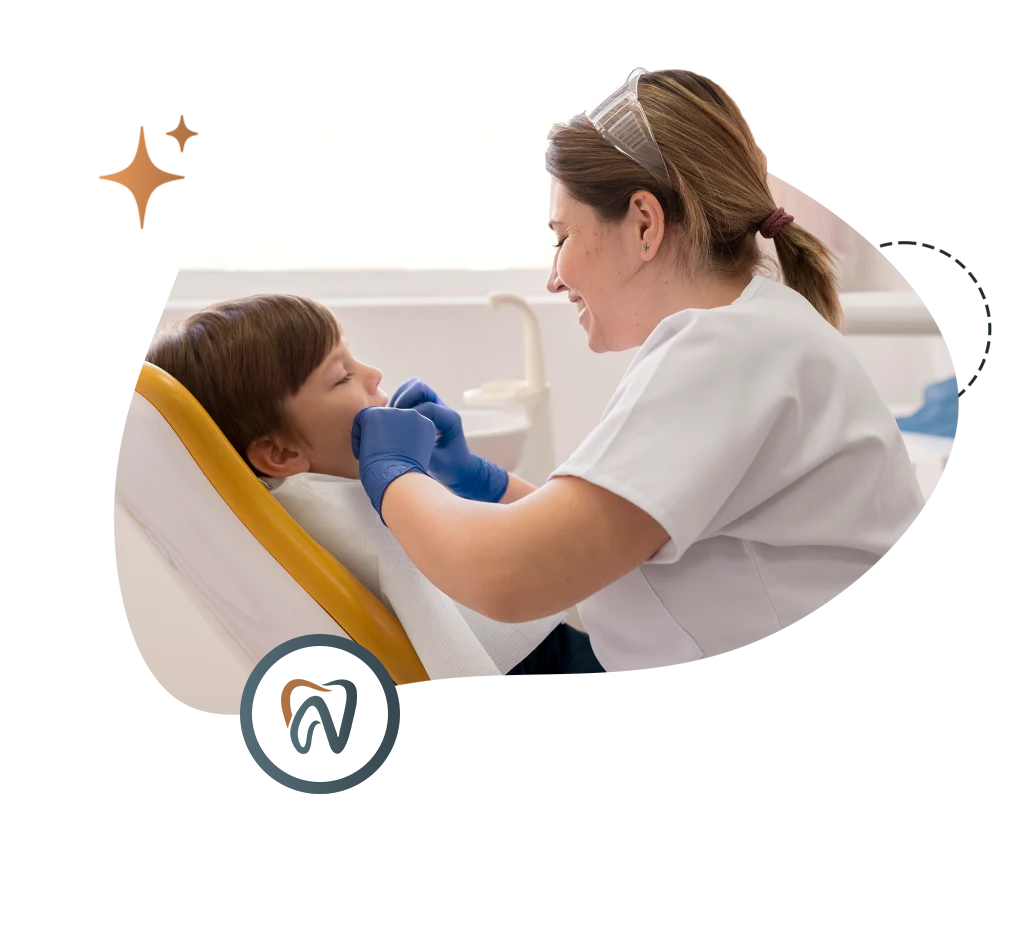
Brushing Once the First Tooth Erupts
The moment you see the first tooth, it’s time to introduce a toothbrush. Use a soft-bristled infant toothbrush with a very small smear of fluoride toothpaste, about the size of a grain of rice.
Brush twice a day gently, especially before bedtime. Nighttime brushing is particularly important because saliva production decreases during sleep, making teeth more vulnerable to decay.
For toddlers under three, parents should do all the brushing. Children lack the coordination to clean thoroughly on their own.
Transitioning Between Ages 3 and 5
As children grow, so should their brushing routine.
Between the ages of three and five, you can increase the toothpaste amount to a pea-sized portion. Continue brushing twice daily for two full minutes.
While children may want to brush independently, parents should still supervise and assist. At this age, brushing skills are still developing, and missed areas are common.
Encourage your child to spit out excess toothpaste, but do not worry if they swallow small amounts. Using the correct toothpaste quantity reduces any risk.
Establish a Consistent Routine
Children thrive on consistency. Brushing at the same time every day, typically morning and before bed, helps create structure.
Make oral care part of the bedtime routine rather than a separate task. Pair brushing with pajamas and story time so it feels natural rather than forced.
Consistency builds lifelong habits.
Introduce Flossing When Teeth Touch
Many parents are unsure when flossing should begin. The answer is simple: when two teeth touch.
Food particles can get trapped between tight spaces that a toothbrush cannot reach. Gently floss once daily using child-friendly floss picks or soft floss designed for small mouths.
If you’re unsure about technique, a provider experienced in Fuquay Varina pediatric dentistry can demonstrate proper flossing during your child’s visit.
Monitor Diet and Snacking Habits
Oral hygiene is not only about brushing; diet plays a significant role.
Frequent snacking, sugary drinks, and prolonged bottle use increase cavity risk. Sticky snacks like gummies or dried fruit can cling to teeth longer than other foods.
Encourage water between meals and limit juice consumption. If your child uses a bottle, avoid putting them to bed with milk or juice, as this can lead to early childhood cavities.
Healthy habits support the brushing routine.
Schedule Early Dental Visits
The American Academy of Pediatric Dentistry recommends that children see a dentist by their first birthday or within six months of their first tooth erupting.
Early visits are not only about checking for cavities. They help:
- Monitor tooth development
- Provide fluoride treatments if needed
- Identify early bite issues
- Educate parents on proper home care
Regular dental check-ups build familiarity and reduce fear as children grow older.
Make Brushing Positive and Fun
Young children respond better to encouragement than pressure.
Use songs, timers, or colorful toothbrushes to make brushing enjoyable. Let your child choose their toothbrush or toothpaste flavor (within age-appropriate fluoride options).
Praise their effort rather than focusing on perfection. Positive reinforcement builds confidence and cooperation.
Be Aware of Thumb Sucking and Pacifier Use
Thumb sucking and pacifier habits are common in young children. While generally harmless in infancy, prolonged habits beyond age four may affect tooth alignment and jaw development.
Discuss any concerns with your pediatric dentist. Early guidance can prevent long-term orthodontic issues.
Watch for Early Signs of Dental Issues
Parents should look out for warning signs such as:
- White spots along the gumline
- Brown or dark discoloration
- Sensitivity when eating
- Persistent bad breath
Early detection allows for simpler treatment and prevents progression.
If you notice any unusual changes, consult a provider experienced in Fuquay Varina pediatric dentistry promptly.
Lead by Example
Children mimic adult behaviour. When they see parents brushing and flossing consistently, they are more likely to develop similar habits.
Make brushing a family activity. Shared routines strengthen habits and reduce resistance.
Final Thoughts
The best oral hygiene routine for children under five is simple but consistent: gentle cleaning before teeth erupt, twice-daily brushing with the correct amount of fluoride toothpaste, early flossing, healthy dietary habits, and regular dental visits.
Building strong habits early prevents cavities, supports healthy development, and sets the foundation for lifelong oral health.
If you’re seeking trusted support in Fuquay Varina pediatric dentistry, the team at Novel Dental is committed to guiding families through every stage of early dental care, ensuring little smiles stay healthy from the very beginning.