


Best Nylabone Chew Toys for Dogs | Safe, Tough & Vet-Recommended
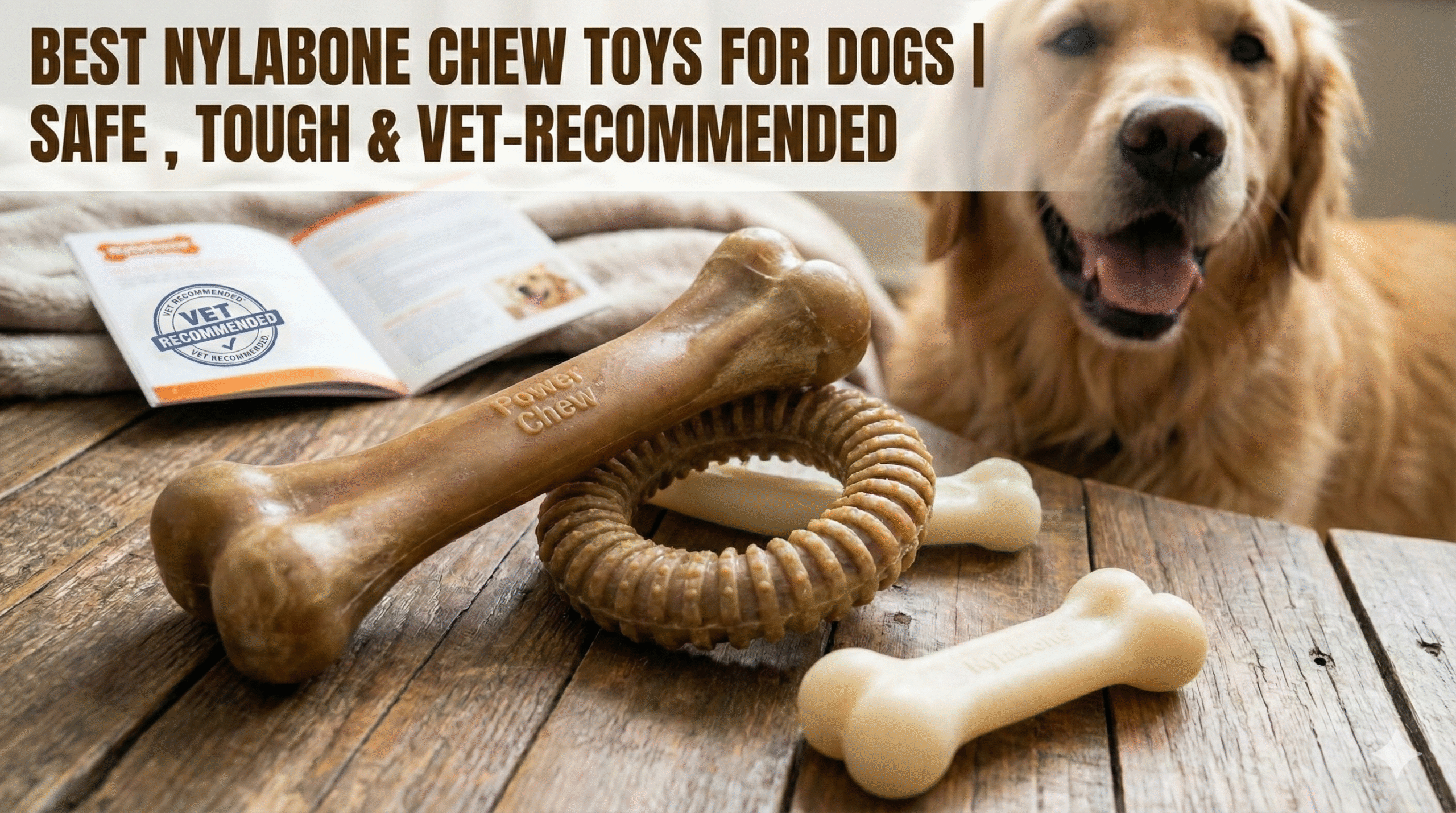
Modern dog owners face a familiar challenge: how to satisfy a dog’s natural urge to chew while protecting furniture, shoes, and—most importantly—the dog’s health. Chewing is not a bad habit; it is a biological and psychological need. Puppies chew to explore the world and soothe teething pain, while adult dogs chew to relieve stress, clean teeth, and occupy their minds. The problem arises when the chewing outlet is unsafe, short-lived, or ineffective.
This guide focuses on solution-driven chewing strategies, using Nylabone as a reference point for understanding how durable chew tools can help redirect destructive behavior into something productive and safe. Rather than promoting mindless consumption, this article explores how to use chew products thoughtfully, how to choose the right option for your dog, and how to avoid common mistakes that lead to frustration or injury.
Understanding the Root of Chewing Behavior
Before selecting any chew solution, it helps to understand why dogs chew in the first place. Chewing serves multiple purposes:
- Stress relief: Dogs often chew when anxious, bored, or overstimulated.
- Mental enrichment: Repetitive chewing can be soothing and mentally engaging.
- Dental hygiene: Certain textures help scrape plaque from teeth.
- Developmental needs: Puppies chew heavily during teething phases
Ignoring these needs or attempting to suppress chewing entirely often backfires. Dogs deprived of proper outlets frequently turn to household objects, creating a cycle of punishment and confusion. The real solution is redirection, not restriction.
Why Durability and Material Matter
One of the biggest mistakes dog owners make is offering chew items that are either too soft or too fragile. These products may seem appealing at first, but they can break apart quickly, creating choking hazards or digestive risks. On the other hand, items that are excessively hard—such as cooked bones or antlers—can crack teeth.
This is where synthetic chew tools gained popularity. Products inspired by nylabone technology were designed to strike a balance: firm enough to last, yet engineered to reduce splintering. The goal is controlled wear rather than destruction.
A good chew solution should:
- Match your dog’s size and chewing strength
- Be made from non-toxic, tested materials
- Offer texture without sharp edges
- Encourage supervised, calm chewing sessions
Matching the Right Chew to the Right Dog
Not all dogs chew the same way. Some gnaw gently, while others are power chewers capable of reducing toys to fragments in minutes. Choosing a chew solution without considering chewing style often leads to wasted money or unsafe outcomes.
Factors to Consider
- Age: Puppies need softer textures than adult dogs.
- Jaw strength: Breeds with strong jaws require more robust options.
- Chewing intensity: Observe whether your dog gnaws, crunches, or shreds.
- Dietary sensitivities: Some dogs cannot tolerate edible chews.
Synthetic chew tools modeled after Nylabone concepts often come in graded strength levels. Selecting the appropriate level is crucial; a chew that is too soft may be destroyed, while one that is too hard may discourage use.
Chewing as Part of a Behavior Management Plan
Chew tools work best when integrated into a broader behavior strategy. Simply tossing a chew to your dog and hoping for the best rarely solves long-term issues. Instead, think of chewing as a scheduled, purposeful activity.
Effective Integration Tips
- Introduce during calm periods: Avoid offering chews when the dog is already overexcited.
- Use as a reward: Provide chew time after walks or training sessions.
- Rotate options: Prevent boredom by switching textures and shapes weekly.
- Supervise early use: Observe how your dog interacts with new chew items.
Over time, many owners notice reduced destructive behavior when chewing becomes predictable and satisfying.
Dental Benefits Without the Drama
Dental health is another area where chew solutions can shine. While brushing remains the gold standard, many dogs resist it. Textured chew tools can help supplement oral care by scraping away plaque and stimulating gums.
It’s important to note that no chew replaces veterinary dental care. However, when used correctly, durable synthetic chews inspired by nylabone designs can support oral hygiene as part of a comprehensive routine.
Safety Mistakes to Avoid
Even the best chew solutions can become risky if misused. Here are some common pitfalls:
- Ignoring size guidelines: Small chews can become choking hazards.
- Allowing unsupervised use indefinitely: Worn-down items should be replaced.
- Using chews as babysitters: Dogs still need interaction and exercise.
- Assuming “indestructible” means eternal: All chews degrade over time.
Inspect chew items regularly. If edges become sharp or pieces start breaking off, it’s time for a replacement.
Environmental and Longevity Considerations
Sustainability is becoming a concern for many pet owners. While synthetic chews are not biodegradable, their long lifespan can offset the frequent replacement of short-lived products. Fewer discarded items over time may reduce overall waste compared to edible chews that last for minutes.
Some owners also appreciate the cost-effectiveness: a durable chew used for weeks or months often proves more economical than repeatedly buying disposable alternatives.
Frequently Asked Questions
1. Are synthetic chew tools safe for daily use?
Yes, when chosen appropriately for your dog’s size and chewing style, and when regularly inspected for wear.
2. How long should a chew session last?
Most dogs benefit from 15–30 minutes of supervised chewing, once or twice a day.
3. Can puppies use these types of chews?
Puppies can, but only versions designed for teething, which are softer and gentler on developing teeth.
4. What makes nylabones different from edible chews?
They are designed for durability and controlled wear rather than consumption, making them longer-lasting.
5. When should I replace a chew item?
Replace it when it becomes small enough to swallow, develops sharp edges, or shows significant wear.
Final Thoughts: Turning Chewing Into a Positive Habit
Chewing does not have to be a battle between dog and owner. When approached thoughtfully, it becomes an opportunity for enrichment, stress relief, and bonding. By understanding your dog’s needs, choosing appropriate materials, and integrating chewing into a daily routine, you transform a potential problem into a practical solution.
While nylabone-inspired chew tools are not a magic fix, they represent an important evolution in how we think about canine behavior management. The real success comes from informed choices, supervision, and a commitment to meeting dogs where they are—instincts and all.