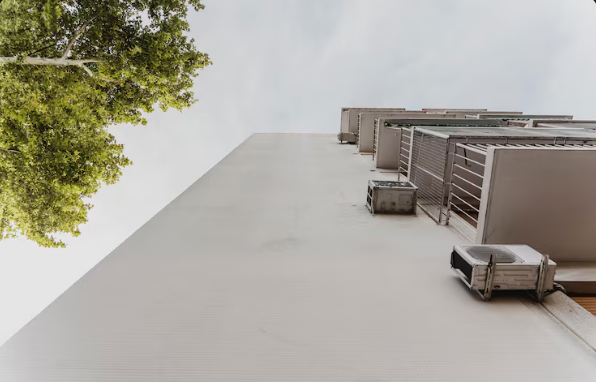
Best Fascia Materials for Florida’s Coastal & High-Humidity Areas
Wood vs. Aluminum Fascia: Which One Is Right for Your Home?
There is a moment many Florida homeowners know too well. You notice peeling paint near the roofline, a gutter that does not sit quite right, or a soft spot in the trim after a stretch of heavy rain. It looks minor at first. Then you realize that small exterior details are often where bigger problems begin.
That is especially true with fascia. It may not be the first thing you think about when protecting your home, but it plays a major role in keeping water moving where it should, supporting your gutters, and sealing off vulnerable roof edges. In coastal and high-humidity areas, the stakes go up fast.
If you are comparing the best fascia materials for Florida, the real question is not just what looks better today. It is what will keep performing after humidity, salt air, wind-driven rain, and storm season have all had their say.
Key Takeaways
- Fascia helps support gutters and protect the roofline from moisture intrusion.
- Wood fascia offers a classic look but demands more upkeep in Florida.
- Aluminum fascia is usually the more practical choice for humid, coastal, and storm-prone homes.
- The best result comes from matching the right material with skilled installation and ongoing inspection.
What does fascia do, and why does it matter so much in Florida?
Fascia is the horizontal board along the roof edge that finishes the roofline and supports the gutter system. In practical terms, it helps your home shed water cleanly, protects the edge of the roof structure, and contributes to a tidy, finished exterior.
In Florida, that job gets harder. Humidity stays high, storms push rain sideways, and coastal air adds another layer of wear. The EPA recommends keeping humidity below 60 percent to help reduce moisture-related problems indoors, which gives you a sense of how unforgiving persistent moisture can be around any part of a home envelope.
When fascia fails, the damage rarely stays isolated. Gutters can loosen. Water can back up. Paint can peel. Rot can spread into trim, soffit, and even the roof edge framing.
Wood vs. aluminum fascia: which performs better in Florida?
Wood fascia still appeals to many homeowners because it looks warm, traditional, and easy to customize. If your home has historic character or detailed trim work, wood can feel like a natural fit.
But Florida is not a forgiving environment for exposed wood. Moisture absorption, swelling, paint breakdown, insect risk, and eventual rot all become part of the ownership cost. That does not mean wood is always wrong. It means wood asks more from you.
Aluminum fascia takes the opposite path. It is less romantic, maybe, but far more practical in coastal and high-humidity conditions. It does not rot, it resists insect damage, and it pairs well with modern gutter systems because it holds its shape more consistently over time.
As Benjamin Franklin put it, “An ounce of prevention is worth a pound of cure.” That mindset fits fascia selection perfectly.
A simple way to compare the two
| Material | Where it helps most | A simple cue | Common mistake |
|---|---|---|---|
| Wood fascia | Homes where traditional appearance is the top priority | Choose it only if you are prepared for regular painting, sealing, and inspections | Assuming the lower upfront cost means lower lifetime cost |
| Aluminum fascia | Coastal, humid, storm-prone Florida homes | Choose it when durability and low maintenance matter more than ornate detail | Treating it like a cosmetic upgrade instead of a moisture-control component |
What most homeowners get wrong about fascia
Many people compare fascia materials like they are choosing between paint colors. They are not. They are choosing how much risk, upkeep, and future repair they are willing to inherit.
Here is the framework we use for the best fascia materials for Florida:
- Start with exposure
If your home deals with salt air, constant humidity, or hard storm seasons, prioritize moisture resistance first. - Think in lifecycle cost, not sticker price
Wood may cost less at the beginning, but repainting, repairs, and replacement can erase that advantage quickly. - Match the fascia to the rest of the system
Fascia, soffit, and gutters need to work together. Stable materials make that easier. - Do not separate material choice from workmanship
Even the best fascia can fail if the installation is sloppy or rushed.
Do this, not that
- Do choose for climate first, style second.
- Do inspect soft spots, peeling paint, and gutter attachment points early.
- Do ask whether the crew is in-house or outsourced.
- Do not assume all trim products perform the same in Florida.
- Do not wait until visible rot becomes structural damage.
A familiar Florida scenario
Picture a homeowner who chooses wood fascia because the bid looks better on paper. The house looks great on day one. A few seasons later, the paint starts failing near one corner. Then the gutter line sags slightly after repeated heavy rain. By the time the issue gets attention, the repair is no longer just about the trim. It includes water-damaged sections, repainting, and real labor.
Now picture the same home with properly installed aluminum fascia tied into a well-fitted gutter system. It may not demand attention because it is doing its job quietly. That is the point.
For most coastal and high-humidity homes, aluminum offers the calmer ownership experience.
What is right for your home?
If appearance is your absolute top priority and you are committed to maintenance, wood can still work. But for most homeowners comparing the best fascia materials for Florida, aluminum is the stronger long-term answer.
It handles humidity better. It resists rot and pests. It stays more stable alongside gutter systems. And it fits the kind of practical peace of mind most homeowners are really buying when they invest in exterior protection.
At Armour Siding and Soffit, that is the standard: durable solutions, careful workmanship, and a job that is handled with accountability from start to finish. If your home is showing early warning signs, now is the right time to schedule an inspection and get clear on whether you need repair, replacement, or a broader roofline solution.
Frequently Asked Questions (FAQs)
What makes Armour Siding and Soffit a good choice for fascia work?
A good fascia contractor does more than install material. Armour Siding and Soffit focuses on durable exterior protection, careful workmanship, and a process that gives homeowners confidence from inspection through cleanup.
When should I hire Armour Siding and Soffit for a fascia inspection?
You should schedule an inspection when you notice peeling paint, soft areas, sagging gutters, visible gaps, or moisture signs near the soffit. Early action is almost always less expensive than delayed repair.
What makes a good fascia material for Florida homes?
A good fascia material resists moisture, holds its shape, supports gutters reliably, and performs well in storm-prone weather.
What are the best practices for extending fascia life?
Inspect the roofline regularly, keep gutters clear, address leaks early, and avoid letting minor paint failure or soft spots go unchecked.
Are there any fascia trends homeowners should know about?
Homeowners are leaning toward lower-maintenance exterior systems that pair durable fascia with stable soffit and gutter materials.
How to tell if fascia needs repair or full replacement?
Repair may be enough for isolated damage. Replacement is usually smarter when rot, warping, repeated moisture issues, or gutter instability show up in multiple areas.
What fascia services are usually included in a professional project?
Most professional fascia services include inspection, damaged material removal, replacement or wrap installation, fastening, sealing, and gutter-line evaluation.
Is custom fascia worth it for older or detailed homes?
Custom fascia can be worth it when architectural style matters, but it should still be balanced against climate exposure and maintenance demands.
What is the best low-maintenance fascia option for coastal areas?
For many coastal homes, aluminum is the best low-maintenance option because it resists rot, insects, and humidity-related movement better than wood.
What does fascia cost depend on?
Cost usually depends on material choice, linear footage, labor complexity, condition of the underlying structure, and whether gutter or soffit work is involved.