
Balancing Development and Conservation: Best Practices for Sustainable Growth
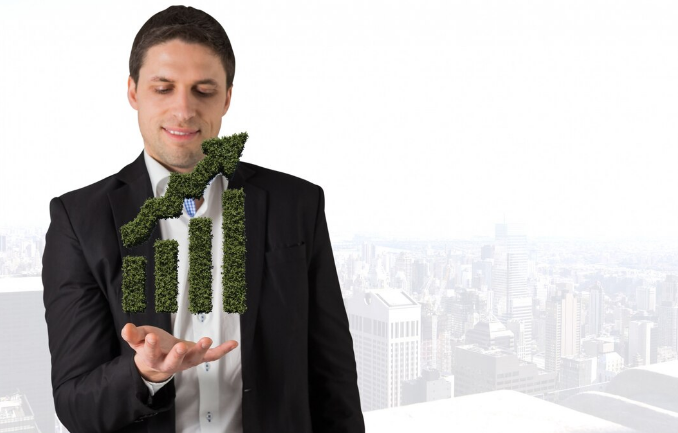
Progress has always shaped the way societies grow; new infrastructure, expanding cities, and modern industries all signal advancement. Yet with every project that rises, there is an equally important responsibility to protect the natural systems that sustain us. Sustainable growth thrives where development and conservation support each other, not where one must replace the other.
Understanding the Need for Balance
The pressure to develop land, build housing, and expand economies often creates tension with conservation goals. But growth does not need to come at the expense of the environment. One of the most effective practices is integrating environmental assessments early in the planning process. When sensitive habitats, water sources, and ecological risks are identified from the start, developers can make informed choices that reduce long-term damage and avoid costly corrections later.
The Role of Community Insight
Local communities often possess knowledge that formal studies overlook. Farmers, fishermen, indigenous groups, and long-term residents understand the rhythms of the land and its changing patterns.
Meaningful community involvement helps:
- Reveal cultural or ecological areas that need protection
- Shape zoning decisions
- Strengthen trust in development plans
When people feel included in the decision-making process, development becomes a shared goal rather than an imposed change.
Smart Land Use as a Foundation
Thoughtful land use planning is one of the strongest pillars of sustainable growth. Cities can protect natural spaces by adopting:
- Compact urban design that reduces unnecessary land expansion
- Mixed-use neighborhoods that improve mobility and convenience
- Transit-centered planning that cuts reliance on private vehicles
This approach preserves forests, wetlands, and farmland while creating healthier, more efficient communities.
Technology for Sustainable Development.
The development of modernity has allowed giving much less harmful development. Examples include:
- Energy-saving construction materials.
- Water-saving systems
- A combination of renewable energy.
- The building methods are less wasteful.
Once sustainability is incorporated into a project at the inception, it turns out to be a long-term asset instead of a service that is included due to necessity.
Beyond Construction Conservation.
The environment remains to be safeguarded even after the termination of a project. The ecological stewardship ensures that there is a balance in the long run by setting:
- Protected greenbelts
- Restored wetlands
- Natural buffers and urban parks.
These spaces improve the biodiversity, mitigate floods, purify the air, and provide the community with space to interact with nature. They enhance the resilience to climate and help to sustain the well-being of the locals.
Economic Benefits of Sustainable Growth.
Sustainable development is not only environmentally accountable, but it is also a financially prudent move. Areas of preserving natural resources are likely to be more appealing to investment because of:
- Stable long-term policies
- Lower environmental risks
- Stronger public health
- Healthy tourism potential
Uncontrolled development usually leads to expensive issues like soil erosion, pollution, or a lack of water. Conversely, more predictable growth and long-term value are realized in areas that are consistency-oriented.
Teamwork as the Secret of Success.
Sustainable growth is influenced by the developers, the policy makers, conservation organizations, and even the residents. Governments are able to set explicit rules, companies can use environmentally friendly designs, and environmental organizations can offer scientific advice. It is this collective responsibility that would help in making sure that the present generation does not advance at the expense of subsequent generations.
Building a Future That Lasts
The development and conservation are dynamic processes that need proper planning, transparency, and commitment. By ensuring that growth is sustainable, it is possible to have communities that ensure that economic growth and conservation of the environment are reinforced, as opposed to having a situation where they compete. When growth is handled responsibly and with care for nature, communities can progress today without harming tomorrow. That’s the vision EcoVantage Ecological Services stands for.