


Avoiding Common Mistakes When Selecting Automotive Lubricants
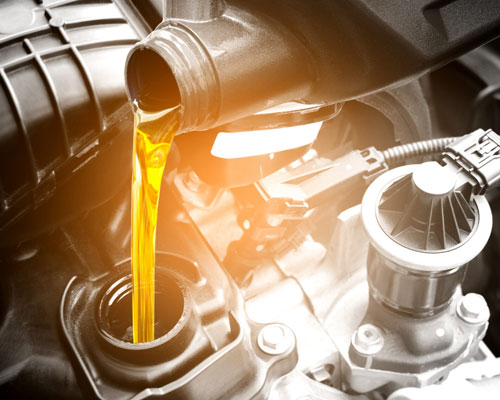
Selecting the right automotive lubricants for your vehicle is a crucial task that can have long-term implications on performance, efficiency, and engine longevity. Many car owners, however, make avoidable mistakes that lead to decreased engine performance or even damage. Understanding the nuances of automotive lubricants, their types, and proper usage can help you protect your investment and ensure smooth vehicle operation. In this guide, we will explore common mistakes, how to avoid them, and best practices for selecting the right products for your vehicle.
Understanding the Importance of Automotive Lubricants
Automotive lubricants serve as the lifeblood of any engine. They reduce friction between moving parts, prevent overheating, and protect against wear and tear. While some car owners underestimate the value of lubricants, the truth is that selecting an inappropriate product can have severe consequences. The wrong lubricant can lead to increased fuel consumption, component degradation, and in extreme cases, engine failure.
Lubricants are not a one-size-fits-all solution. Different vehicles, engines, and operating conditions demand specific types of lubricants. Factors such as climate, engine design, and driving habits influence which product is ideal for your vehicle. Additionally, products like grease play a critical role in specialized areas like wheel bearings, chassis components, and other moving parts that require extra protection.
Common Mistakes to Avoid When Choosing Automotive Lubricants
Ignoring Manufacturer Recommendations
One of the most frequent errors drivers make is disregarding manufacturer recommendations. Vehicle manuals provide detailed information about the type, viscosity, and grade of lubricants required. Using a product that doesn’t meet these specifications can reduce engine efficiency and accelerate wear. Always check the manual and select lubricants that match the outlined requirements.
Confusing Oil Types
Engine oils come in various formulations, such as conventional, synthetic, and semi-synthetic. Each type has unique properties suited for specific engine designs and operating conditions. Using a conventional oil in a high-performance engine, for example, can compromise performance and durability. Similarly, switching between synthetic and conventional oils without understanding compatibility may cause unwanted chemical reactions. Always ensure that the type of oil chosen aligns with your vehicle’s engine specifications.
Neglecting Viscosity Grades
Viscosity refers to the thickness of a lubricant and its ability to flow under different temperatures. Using the wrong viscosity grade can create issues such as poor lubrication at startup, overheating, and excessive engine wear. For example, a thicker oil may not flow quickly enough during cold starts, whereas a thinner oil may fail to provide sufficient protection at high temperatures. Pay close attention to the recommended viscosity grade provided by your vehicle manufacturer.
Overlooking Additive Packages
Modern lubricants are more than just base oils; they contain additives that enhance performance and protection. Detergents, anti-wear agents, corrosion inhibitors, and friction modifiers are critical for extending engine life. Selecting a lubricant with inadequate additives can increase the risk of sludge formation, corrosion, and mechanical wear. Understanding the role of additive packages can help you make informed choices and avoid costly mistakes.
Mismanaging Grease Applications
Grease is essential for components that are subject to heavy loads or require long-term lubrication without frequent servicing. Common mistakes with grease include over-application, under-application, or using the wrong type for specific components. Over-greasing can lead to leakage, overheating, and contamination, while under-greasing can result in premature wear. Always consult technical guides or manufacturer recommendations to determine the correct type and quantity of grease for each application.
Ignoring Driving Conditions
Many drivers fail to consider their typical driving conditions when selecting lubricants. Vehicles that frequently operate in extreme temperatures, dusty environments, or heavy traffic require lubricants designed to withstand these stresses. Choosing a standard product without accounting for these factors can reduce protection and lead to premature engine or component wear.
Failing to Change Lubricants Regularly
Even the best lubricants degrade over time due to heat, pressure, and contamination. Neglecting regular oil changes and grease maintenance can reduce lubrication efficiency, increase engine friction, and cause component failure. Following recommended maintenance schedules and using high-quality products can ensure optimal performance and longevity.
How to Choose the Right Automotive Lubricants
Consider Engine Type and Age
Different engines have unique lubrication requirements. Modern engines with advanced technology may need synthetic oils, while older engines might perform better with conventional or semi-synthetic products. Understanding the engine’s age, design, and specific requirements is the first step in selecting the correct lubricant.
Evaluate Driving Patterns
Your driving style significantly impacts lubricant performance. Frequent short trips, stop-and-go traffic, and highway driving create varying stresses on the engine. Vehicles subjected to heavy loads or towing may require high-performance lubricants to prevent wear and overheating. Assessing your driving habits ensures that the lubricant you select provides the protection your engine needs under real-world conditions.
Choose Reputable Brands
Selecting lubricants from reputable brands ensures quality, consistency, and performance. Established manufacturers invest in research and development, ensuring that their products meet or exceed industry standards. Avoid low-cost or unverified alternatives, as they may not provide adequate protection or could contain inferior base oils and additives.
Verify Certifications and Standards
Industry certifications, such as API, ACEA, or OEM approvals, indicate that a lubricant meets rigorous performance requirements. Checking for these certifications ensures that the product is suitable for your vehicle and provides the intended protection. Avoid products without recognized approvals, as they may compromise engine performance and reliability.
Understand Grease Properties
When selecting grease for specific applications, consider its base oil type, consistency, temperature range, and load-carrying capacity. Lithium-based greases, for example, are versatile and widely used, while synthetic greases offer superior performance in extreme conditions. Choosing the right grease ensures that moving parts remain protected, reducing maintenance costs and downtime.
Consult Professionals
If you are unsure about which lubricant is suitable, consulting a professional mechanic or lubricant specialist can prevent costly mistakes. Experts can assess your vehicle’s specific needs, provide recommendations, and even help with proper application techniques to maximize performance and longevity.
The Role of Lubricant Maintenance
Proper lubrication extends beyond selecting the right product; regular maintenance is equally important. This includes monitoring lubricant levels, checking for contamination, and adhering to recommended change intervals. For oils, this involves routine oil changes and filter replacements. For grease, periodic inspection and reapplication are essential, especially for high-stress components like wheel bearings, chassis joints, and universal joints.
Keeping a maintenance log can help track lubricant changes, identify patterns of wear, and ensure that no components are neglected. Maintenance not only preserves engine life but also improves fuel efficiency, reduces emissions, and minimizes the risk of unexpected breakdowns.
Common Misconceptions About Automotive Lubricants
“All Oils Are the Same”
Many car owners believe that all oils serve the same purpose and that switching between brands or types is inconsequential. In reality, oil formulations vary widely, and each product is designed for specific engines and conditions. Using the wrong oil may lead to decreased performance and long-term damage.
“Synthetic Oils Last Forever”
While synthetic oils offer superior protection and longevity compared to conventional oils, they still degrade over time. Relying on synthetic oils without adhering to recommended change intervals can compromise engine performance. Regular monitoring and timely oil changes remain critical.
“Grease Doesn’t Require Replacement”
Grease is often perceived as a permanent solution for certain components. However, it can break down under high temperatures, contamination, or mechanical stress. Regular inspection and reapplication ensure that components remain adequately lubricated and protected.
Benefits of Correct Lubricant Selection
Choosing the right automotive lubricants and applying them correctly offers numerous benefits:
- Extended Engine Life: Proper lubrication reduces friction, wear, and overheating, increasing the engine’s lifespan.
- Improved Fuel Efficiency: Engines operate more efficiently when moving parts are properly lubricated, leading to better fuel economy.
- Reduced Maintenance Costs: Preventing premature wear and component failure minimizes repair and replacement expenses.
- Enhanced Performance: Well-lubricated engines maintain consistent performance, power output, and responsiveness.
- Environmental Benefits: Efficient lubrication reduces emissions and minimizes the environmental impact of your vehicle.
Conclusion
Selecting the right automotive lubricants and grease is more than just a routine maintenance task—it is a critical step in protecting your vehicle, enhancing performance, and ensuring longevity. Avoiding common mistakes such as ignoring manufacturer recommendations, mismanaging grease, or neglecting maintenance can save you significant costs and prevent unnecessary engine damage. By understanding your vehicle’s needs, considering driving conditions, and consulting reliable sources, you can make informed choices that keep your engine running smoothly for years to come.
Proper lubrication is an investment in your vehicle’s health. With careful selection, consistent maintenance, and attention to detail, you can maximize performance, reduce wear, and enjoy a worry-free driving experience. Always remember that even small mistakes in choosing or applying lubricants can have long-term consequences, making knowledge and diligence your best tools in vehicle care.