

Artificial Grass vs. Natural Grass: Which Is Right for Your Lawn?
Choosing between artificial grass and natural grass is one of the most important decisions homeowners face when designing or renovating their outdoor space. A lawn plays a major role in curb appeal, usability, and overall property value. While traditional grass has long been the standard choice, artificial turf has rapidly gained popularity due to its convenience and long-term benefits.
If you’re deciding which option is right for your lawn, understanding the differences in maintenance, cost, durability, environmental impact, and appearance will help you make an informed decision.
Appearance and Aesthetic Appeal
Natural Grass
Natural grass offers a classic, organic look that many homeowners love. Its fresh scent, soft texture, and seasonal color changes create an authentic outdoor experience. However, maintaining that lush, green appearance requires regular watering, mowing, fertilizing, and pest control.
Weather conditions can also affect its look. Drought, heavy rain, pests, and foot traffic often lead to brown patches or thinning areas.
Artificial Grass
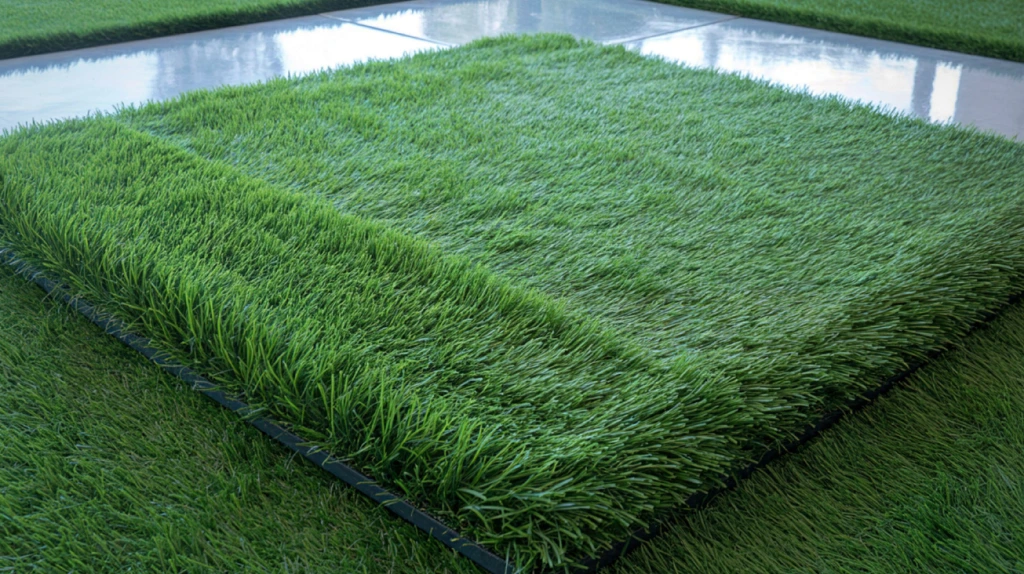
Modern artificial grass for lawn is designed to closely replicate the look and feel of real grass. High-quality turf includes multi-tone blades and varied textures for a natural appearance. Unlike natural lawns, artificial turf remains consistently green throughout the year, regardless of weather conditions.
If you prefer a lawn that looks perfectly manicured at all times, artificial grass may be the better choice.
Maintenance Requirements
Natural Grass Maintenance
Maintaining a natural lawn requires ongoing effort, including:
- Weekly mowing
- Regular watering
- Seasonal fertilizing
- Weed control
- Pest treatments
- Reseeding damaged areas
This can be time-consuming and costly, especially for large lawns.
Artificial Grass Maintenance
Artificial grass significantly reduces maintenance. There is:
- No mowing
- No watering
- No fertilizers
- No pesticides
Basic maintenance usually involves occasional brushing and rinsing to remove dust and debris. For busy homeowners or commercial property owners, this low-maintenance feature is a major advantage.
Water Usage and Environmental Impact
Natural Grass and Water Consumption
One of the biggest drawbacks of natural grass is its high water requirement. In warmer climates, lawns may need frequent irrigation to stay green. This increases water bills and contributes to resource depletion, especially in drought-prone regions.
Additionally, gas-powered lawn equipment and chemical fertilizers can contribute to environmental pollution.
Artificial Grass and Sustainability
Artificial grass does not require irrigation, making it an excellent option for water conservation. By eliminating fertilizers and pesticides, it also reduces chemical runoff into soil and waterways.
While artificial turf is a synthetic product, many manufacturers now use recyclable materials and environmentally responsible production methods. Over time, reduced water and maintenance demands can offset the environmental impact of manufacturing.
Cost Comparison
Initial Installation Cost
Natural grass generally has a lower upfront cost, especially if you’re installing sod or planting seeds. However, the initial savings may not reflect long-term expenses.
Artificial grass requires a higher initial investment due to materials and professional installation. Proper groundwork, drainage systems, and turf placement contribute to the cost.
Long-Term Costs
Natural lawns involve ongoing expenses such as:
- Water bills
- Lawn equipment
- Fertilizers and pesticides
- Professional landscaping services
Artificial grass, on the other hand, has minimal recurring costs. Over a 10–20 year lifespan, many homeowners find that artificial turf becomes more cost-effective overall.
Durability and Longevity
Natural Grass Durability
Natural grass can be damaged by heavy foot traffic, pets, sports activities, and extreme weather. High-traffic areas often become patchy and require reseeding or repair.
Seasonal changes can also weaken grass health, especially in regions with harsh summers or cold winters.
Artificial Grass Durability
Artificial turf is designed for durability. It withstands heavy use without becoming muddy or worn out. This makes it ideal for:
- Play areas
- Pet zones
- Sports surfaces
- Event spaces
High-quality artificial grass can last 10–20 years with proper care, maintaining its structure and appearance.
Safety and Comfort
Natural Grass
Natural grass is soft and cool underfoot. However, it can become slippery when wet and may harbor insects, allergens, and pests.
Chemicals used in lawn treatments may also pose concerns for children and pets.
Artificial Grass
Modern artificial turf is made from non-toxic materials and often includes drainage systems to prevent water accumulation. Some installations include padded underlayers for added comfort and shock absorption.
While artificial turf can become warm in direct sunlight, newer technologies and cooling infills help reduce heat retention.
For families with children and pets, artificial grass provides a clean and mud-free play environment.
Pet-Friendly Considerations
Pet owners often struggle with maintaining a natural lawn. Common issues include:
- Digging damage
- Brown spots from urine
- Mud during rainy seasons
Artificial grass offers a practical solution. It resists digging and includes drainage layers for easy cleaning. Pet waste can be removed quickly, and the surface can be rinsed without creating muddy areas.
If you have active pets, artificial turf may significantly simplify lawn care.
Climate Considerations
Your local climate plays a crucial role in choosing between artificial and natural grass.
- In dry or drought-prone regions, artificial grass conserves water and stays green year-round.
- In mild, rainy climates, natural grass may thrive with less irrigation.
- In extremely hot areas, artificial turf may require cooling solutions.
Evaluating weather conditions and water availability will help determine the most suitable option.
Property Value and Curb Appeal
Both natural and artificial lawns can enhance property value when properly maintained.
Natural grass may appeal to traditional buyers who value authenticity. However, artificial turf can attract buyers looking for low-maintenance landscaping and long-term cost savings.
For rental properties or commercial spaces, artificial grass often provides consistent curb appeal without ongoing maintenance demands.
Lifestyle and Personal Preference
The right choice ultimately depends on your lifestyle and priorities.
Choose natural grass if you:
- Enjoy gardening and lawn care
- Prefer a completely organic surface
- Live in a climate favorable to grass growth
Choose artificial grass if you:
- Want minimal maintenance
- Aim to conserve water
- Have pets or children
- Prefer a consistently green lawn
Hybrid Options
Some homeowners choose a combination of both. For example, natural grass in front yards and artificial turf in backyard play areas. This hybrid approach balances aesthetics with practicality.
Conclusion
Artificial grass and natural grass each offer distinct advantages. Natural grass provides authenticity and a traditional outdoor feel but requires consistent care and water usage. Artificial grass offers convenience, durability, and year-round beauty with minimal maintenance.
When deciding which is right for your lawn, consider your budget, climate, lifestyle, and long-term goals. By weighing the pros and cons carefully, you can create a lawn that enhances your property while meeting your practical needs.
Whether you choose natural or artificial grass, the key is selecting a solution that fits your vision for a beautiful and functional outdoor space.