

A Practical Guide to Industrial Screening Solutions: Inner Screen, Center Pipe, and Advanced Screen Technologies by Linker Screens
When it comes to efficient filtration and separation in industrial processes, the right screening solution can make all the difference. Whether you’re working in wastewater treatment, food processing, mining, or pulp and paper industries, choosing the correct screen is not just about performance—it’s about long-term reliability, cost savings, and operational ease.
At Linker Screens, the focus is on delivering durable, precision-engineered screening components that meet real-world demands. In this guide, we’ll explore some of the most commonly used screening technologies—inner screen, center pipe, sieve bend screen, Johnson screen, DSM screen, and rotary drum screen—and how they fit into modern industrial applications.
Understanding the Role of Screening in Industrial Systems
Before diving into specific products, it’s important to understand why screening matters. In any process involving liquids or slurries, unwanted solids can disrupt operations, damage equipment, and reduce efficiency. Screening systems act as the first line of defense—separating, filtering, and protecting downstream processes.
What sets a good screening solution apart is not just its ability to filter, but how consistently and efficiently it performs over time.
Inner Screen: The Core of Filtration Systems
An inner screen is often installed within filtration equipment to act as a barrier between solid particles and fluid flow. Unlike external filters, inner screens are designed to handle high pressure and continuous operation.
From a user’s perspective, what matters most is durability and ease of maintenance. A well-designed inner screen should:
- Resist clogging even under heavy loads
- Maintain structural integrity over time
- Be easy to remove and clean
At Linker Screens, inner screens are engineered with precision slot openings, ensuring optimal filtration without compromising flow rate. This balance is crucial in industries where downtime can lead to significant losses.
Center Pipe: The Structural Backbone
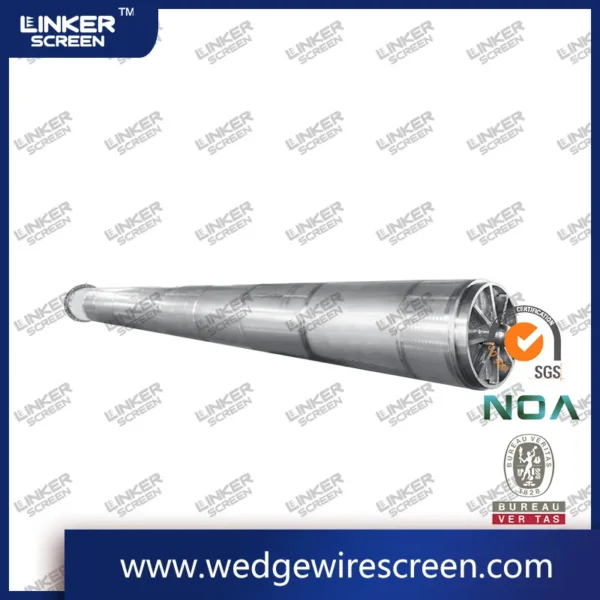
The center pipe may not always get the attention it deserves, but it plays a vital role in supporting screen assemblies. It acts as the central structure around which screens are built, especially in cylindrical filtration systems.
A poorly designed center pipe can lead to uneven pressure distribution, resulting in premature wear or failure. That’s why quality matters.
Key benefits of a well-crafted center pipe include:
- Enhanced mechanical strength
- Uniform flow distribution
- Improved lifespan of the entire screening unit
Linker Screens focuses on precision welding and high-grade materials to ensure that their center pipes can withstand demanding industrial environments.
Sieve Bend Screen: Efficiency Through Simplicity
The sieve bend screen is a deceptively simple yet highly effective solution for solid-liquid separation. It operates on the principle of gravity and curved screen surfaces, allowing liquid to pass through while solids slide down.
What makes sieve bend screens particularly appealing is their low energy requirement. There are no moving parts, which means:
- Minimal maintenance
- Lower operational costs
- High reliability
Users often appreciate how easy it is to integrate a sieve bend screen into existing systems. Whether used in wastewater treatment or food processing, it delivers consistent performance without complexity.
Johnson Screen: Precision Filtration at Its Best
The Johnson screen, also known as a wedge wire screen, is widely recognized for its precision and strength. Its unique V-shaped wire design prevents clogging while maintaining accurate slot sizes.
From an operator’s point of view, the advantages are clear:
- Reduced blinding and clogging
- High flow capacity
- Long service life
Johnson screens are commonly used in water wells, industrial filtration, and even architectural applications. Linker Screens manufactures these with strict quality control, ensuring that each unit meets exact specifications.
DSM Screen: A Trusted Name in Static Screening
The DSM screen (Dutch State Mines screen) is another form of static screen that has stood the test of time. It is widely used for dewatering and classification in industries like mining and coal processing.
What users often notice first is its efficiency. DSM screens can handle large volumes of slurry while maintaining excellent separation accuracy.
Some practical benefits include:
- Consistent particle separation
- Low maintenance requirements
- Ability to operate in harsh conditions
At Linker Screens, DSM screens are designed with optimized angles and slot configurations to maximize performance while minimizing material loss.
Rotary Drum Screen: Automation Meets Performance
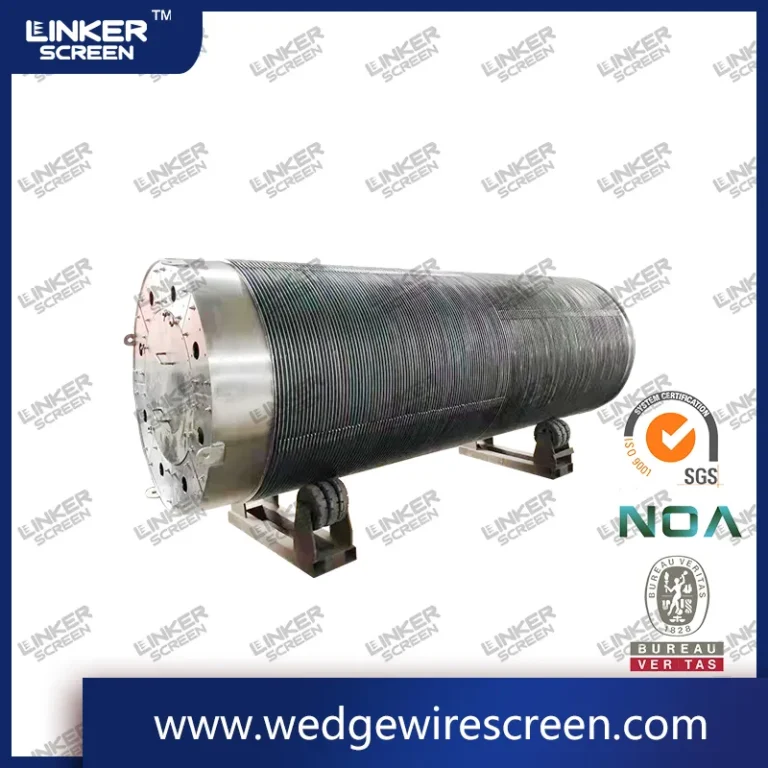
For operations that require continuous and automated screening, the rotary drum screen is a game changer. Unlike static screens, this system uses a rotating drum to filter materials, making it ideal for high-capacity applications.
From real-world usage, operators value:
- Continuous operation without frequent intervention
- High throughput capacity
- Effective handling of varying load conditions
Rotary drum screens are commonly used in municipal wastewater treatment and industrial processing plants. Linker Screens ensures that their rotary drum systems are built for smooth operation, reduced noise, and long-term durability.
Choosing the Right Screening Solution
With so many options available, selecting the right screen can feel overwhelming. The key is to match the solution to your specific needs.
Ask yourself:
- What type of material am I dealing with?
- What is the required flow rate?
- How important is automation versus simplicity?
- What are the maintenance constraints?
For example:
- If you need low-maintenance, energy-efficient separation, a sieve bend screen or DSM screen might be ideal.
- For precision filtration, a Johnson screen is often the best choice.
- For high-capacity automated systems, a rotary drum screen stands out.
And of course, components like inner screens and center pipes form the backbone of these systems, ensuring everything works seamlessly together.
Why Linker Screens Stands Out
In an industry where reliability is everything, Linker Screens has built a reputation for delivering quality products that perform under pressure. What sets them apart is not just their product range, but their attention to detail and understanding of user needs.
Customers often highlight:
- Consistent product quality
- Customization options
- Responsive support and service
Rather than offering one-size-fits-all solutions, Linker Screens focuses on tailoring their products to specific applications, ensuring better results and higher satisfaction.
Final Thoughts
Industrial screening is more than just a technical requirement—it’s a critical part of ensuring smooth and efficient operations. From inner screens and center pipes to advanced systems like rotary drum screens, each component plays a unique role.
What truly matters is choosing solutions that align with your operational goals and deliver consistent performance over time.
With a strong lineup of products and a user-focused approach, Linker Screens continues to support industries in achieving better filtration, improved efficiency, and long-term reliability.
If you’re looking to upgrade your screening system or explore new options, understanding these technologies is the first step toward making a smarter investment.