BAC Water for Injection: Uses, Benefits, and Medical Insights
Bacteriostatic water for injection, commonly known as BAC water for injection, is a sterile water-based solution used in medical and pharmaceutical environments to dilute or reconstitute injectable medications. It contains a small amount of preservative, usually benzyl alcohol, which prevents the growth of bacteria after the vial has been opened.
Unlike plain sterile water, which must be used immediately after opening, BAC water allows multiple withdrawals from the same vial over time. This makes it highly useful in clinical settings where repeated dosing is required.
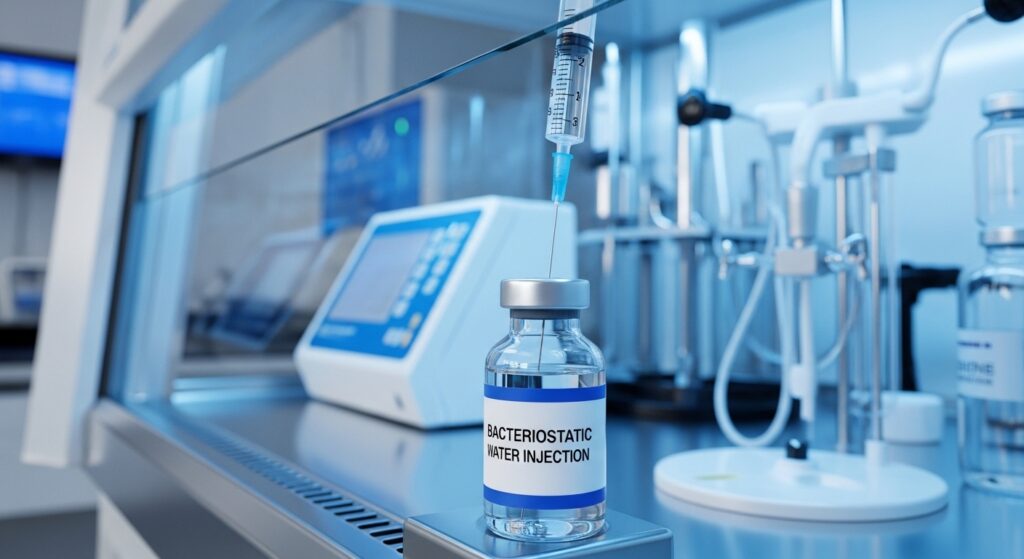
Healthcare professionals rely on this solution to ensure that medications maintain their sterility and stability during preparation and administration.
How BAC Water for Injection Works
The key function of BAC water for injection lies in its antimicrobial protection. Once a vial is opened, there is always a risk of bacterial contamination from the environment or repeated needle entry. The presence of benzyl alcohol inhibits bacterial growth, keeping the solution safe for multiple uses.
This mechanism is particularly important in hospitals and clinics where injectable medications are prepared in advance. Without a preservative, sterile water would quickly become unsafe after exposure.
BAC water essentially acts as a protective carrier solution, ensuring that injectable drugs remain uncontaminated during the reconstitution process.
Medical and Pharmaceutical Uses
BAC water for injection plays a critical role in modern healthcare systems. It is widely used for preparing injectable medications that come in powdered form or concentrated vials.
Common applications include:
- Reconstitution of hormone therapies such as growth hormone and insulin formulations
- Preparation of peptide-based medications used in research and clinical treatments
- Dilution of antibiotics for injectable delivery
- Use in compounding pharmacies for customized medication doses
Pharmacists and healthcare providers depend on this solution to ensure accurate dosing and safe administration of injectable drugs.
Its versatility has also made it a standard component in pharmaceutical laboratories and research facilities where injectable compounds are frequently prepared.
Key Benefits of BAC Water for Injection
BAC water for injection offers several advantages that make it a preferred choice in clinical environments:
- Extended usability: The preservative allows multiple withdrawals from a single vial over time.
- Reduced contamination risk: Benzyl alcohol helps prevent bacterial growth after opening.
- Cost efficiency: Multi-dose usage reduces the need for repeated vial replacement.
- Convenience: Medical professionals can prepare and store injectable solutions more efficiently.
These benefits make BAC water especially valuable in busy healthcare settings where time and sterility are both critical factors.
Safety Considerations and Limitations
Although BAC water for injection is widely used, it must be handled with care. It is not suitable for every patient group, particularly newborns or individuals sensitive to benzyl alcohol.
Medical guidelines emphasize proper storage conditions, typically at controlled room temperature and away from contamination sources. Once opened, most vials have a limited shelf life, often around 28 days depending on manufacturer instructions.
Incorrect handling or reuse beyond recommended duration can lead to contamination risks. Therefore, healthcare professionals strictly follow pharmaceutical protocols when using this solution.
It is also important to note that BAC water is strictly intended for medical use under professional supervision and should never be used outside clinical guidelines.
BAC Water vs Sterile Water for Injection
BAC water for injection is often compared with sterile water for injection, but both serve different purposes in medical practice.
Sterile water is free from preservatives and is intended for single-use only. Once opened, it must be discarded immediately to avoid contamination.
In contrast, BAC water contains a preservative that allows it to remain usable after opening for a limited time. This makes it suitable for multi-dose applications.
Healthcare providers choose between the two based on the medication type, patient condition, and required dosing frequency.
Industry Standards and Quality Control
Manufacturers of BAC water for injection must comply with strict pharmaceutical regulations. Organizations such as the FDA and WHO establish guidelines for sterility, packaging, and production quality.
Each batch undergoes rigorous testing to ensure it meets safety standards. This includes microbial testing, chemical stability checks, and endotoxin screening.
These quality control measures ensure that every vial delivered to healthcare facilities maintains consistent purity and safety for medical use.
Future Role in Modern Medicine
As healthcare continues to evolve, BAC water for injection is expected to remain a foundational component in injectable drug preparation. The rise of personalized medicine and biotechnology has increased demand for precise drug reconstitution solutions.
With growing use of peptide therapies, biologics, and custom-compounded medications, the importance of reliable diluents like BAC water is expanding.
Its role will likely become even more significant as pharmaceutical innovation advances toward more targeted and patient-specific treatments.
FAQs
1. What is BAC water for injection used for?
It is used to dilute or reconstitute injectable medications in medical and pharmaceutical settings.
2. Is BAC water the same as sterile water?
No, BAC water contains a preservative, while sterile water does not and is single-use only.
3. Can BAC water be used after opening?
Yes, but only for a limited period as specified by the manufacturer, typically around 28 days.
4. Why does BAC water contain benzyl alcohol?
Benzyl alcohol prevents bacterial growth and keeps the solution sterile after opening.
5. Is BAC water safe for all patients?
No, it is not recommended for certain groups such as newborns or those sensitive to preservatives.
6. How is BAC water stored?
It should be stored at controlled room temperature away from contamination and direct sunlight.
7. What happens if BAC water is used incorrectly?
Improper use can lead to contamination risks and reduced medication safety.