How to Select the Right Stage Lighting Equipment for a Small Indoor Concert
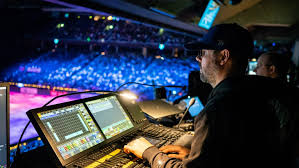
Planning a small indoor concert can be exciting, but choosing the right lighting setup often feels overwhelming. Lighting is not just about visibility—it shapes the mood, enhances performances, and creates a memorable experience for your audience.
At SoundDance, we help event organizers, DJs, and performers make smarter lighting decisions. This guide will walk you through everything you need to know to select the right stage lighting equipment for a small indoor concert in a simple and practical way.
What Should You Know Before Choosing Lighting Equipment?
Before buying or renting lights, you need to understand the basics of professional concert lighting and how it applies to smaller indoor venues.
Why Lighting Matters in Small Concerts
Even in a small venue like a café, club, or community hall, lighting plays a huge role in audience engagement. A well-designed concert lighting setup can:
- Highlight performers clearly
- Create energy and atmosphere
- Make your event look more professional
- Enhance photos and videos
Key Factors to Consider
- Venue size: Smaller spaces need fewer but smarter lights
- Ceiling height: Impacts placement of fixtures
- Power availability: Limits how many lights you can run
- Audience distance: Affects brightness and beam angles
For example, in cities like Los Angeles or New York, many small venues have limited rigging options, so compact and flexible lighting solutions work best.
What Types of Lights Are Best for Small Indoor Concerts?
Choosing the right types of lights is essential for creating a balanced and effective setup.
LED PAR Lights
LED concert lighting is one of the most popular choices for small venues.
Why choose them?
- Energy-efficient
- Easy to set up
- Great for color washes
- Perfect for background lighting
Moving Head Stage Lights
Moving head stage lights add motion and excitement to your show.
Best for:
- Dynamic performances
- DJs and live bands
- Creating sweeping beam effects
Spotlights
Spotlights are used to focus on performers.
Use them when:
- You want to highlight a singer or speaker
- You need clear visibility on stage
Strobe and Effect Lights
These lights are optional but can add energy during key moments.
How Do You Choose the Right Equipment Within Your Budget?
Budget is always a concern, especially for smaller events. The key is to balance quality and cost.
When browsing options like stage lights for sale, focus on value rather than just price.
Smart Budgeting Tips
- Start with essential lights (PAR + 1–2 moving heads)
- Choose multi-functional fixtures
- Consider stage lighting kits for bundled savings
- Rent equipment for one-time events
Example Budget Setup (Small U.S. Venue)
- 4 LED PAR lights for wash
- 2 moving head lights for effects
- 1 basic DMX controller
This setup works well for small clubs, school events, or local performances.
Do You Need a DMX Controller for a Small Concert?
Yes—if you want better control and a more professional look.
What Is a DMX Stage Lighting System?
DMX stage lighting systems allow you to control multiple lights from a single interface.
Benefits
- Sync lights with music
- Control brightness, color, and movement
- Create pre-programmed scenes
When You Might Skip It
If you’re hosting a very small event, you can use sound-activated mode. However, for a polished concert lighting design, DMX is highly recommended.
How Many Lights Do You Actually Need?
This is one of the most common questions.
Simple Rule for Small Indoor Concerts
- 2–4 lights: Basic setup
- 4–8 lights: Balanced, professional look
- 8+ lights: Advanced setup
Placement Tips
- Place PAR lights at the back for color wash
- Use moving heads at the sides or front
- Avoid pointing lights directly into the audience
Less is often more in small venues. The goal is to create impact without overwhelming the space.
How Do You Ensure Proper Lighting Placement?
Placement can make or break your lighting setup.
Best Practices
- Use stands or trusses for elevation
- Angle lights to avoid harsh shadows
- Keep cables organized and safe
- Test your setup before the event
In smaller U.S. venues, space is limited, so compact setups are more effective.
What Safety Considerations Should You Keep in Mind?
Safety is critical when working with lighting equipment.
Key Safety Tips
- Do not overload power outlets
- Secure all fixtures properly
- Use high-quality cables
- Keep equipment away from water
Following these practices ensures a safe and smooth event.
Helpful Tips for Beginners
- Start simple and expand gradually
- Choose LED lights for efficiency
- Test everything before the show
- Learn basic DMX programming
- Work with trusted brands
These tips help you avoid common mistakes and improve your setup over time.
Heading Ideas You Can Use
- Best Lighting Setup for Small Concerts
- Beginner’s Guide to Stage Lighting Equipment
- How to Create a Concert Atmosphere in Small Venues
- Essential Lighting Tips for Live Shows
- Budget-Friendly Concert Lighting Ideas
Frequently Asked Questions (FAQs)
What is the best lighting for a small indoor concert?
LED PAR lights and moving head stage lights are ideal for small venues due to their flexibility and efficiency.
Do I need professional lighting for a small event?
Yes, even basic professional lighting for live shows can significantly improve the audience experience.
How much does a small concert lighting setup cost?
It can range from $300 to $1500 depending on equipment quality and features.
Can I set up stage lighting without experience?
Yes, beginner-friendly stage lighting systems are easy to learn with practice.
Is renting better than buying?
Renting is a good option for one-time events, while buying is better for frequent use.
Final Words
Choosing the right stage lighting equipment for a small indoor concert doesn’t have to be complicated. By understanding your venue, selecting the right fixtures, and using simple control systems, you can create a professional and engaging lighting setup.
At SoundDance, we recommend starting with essential equipment and building your setup over time. Focus on quality, simplicity, and functionality. With the right approach, even a small concert can deliver a big visual impact.