
What is Organic Waste Recycling? Methods, Steps, and Its Importance
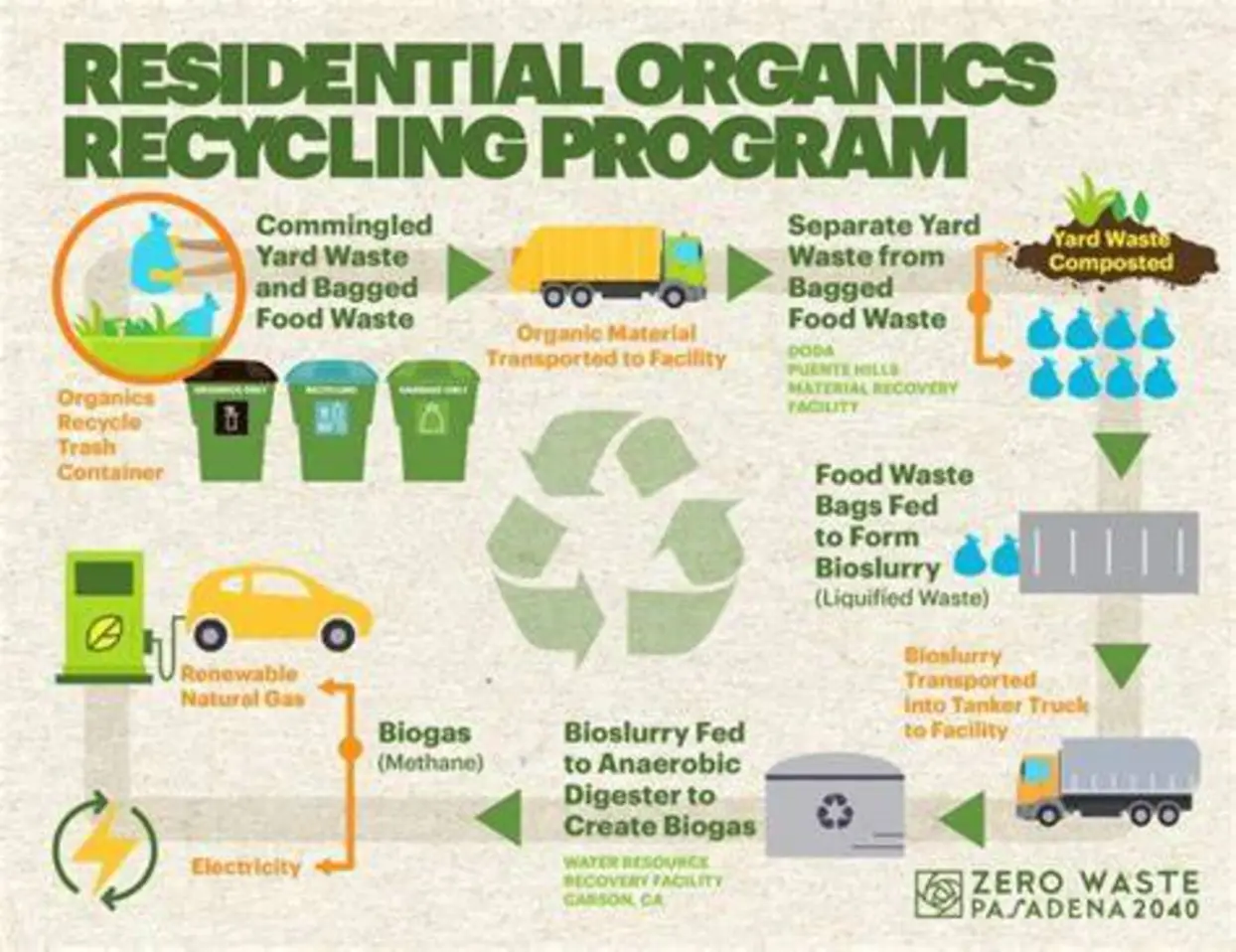
Organic waste recycling is the process of collecting and transforming biodegradable materials into useful products such as compost, biogas, or natural fertilizers. Organic waste includes food scraps, yard waste, agricultural residues, and other materials that come from plants or animals. Instead of ending up in landfills, this type of waste can be reused in ways that benefit the environment and support sustainable living.
As global waste levels continue to rise, organic waste recycling has become an important solution for reducing pollution and conserving natural resources. Understanding how it works, the methods involved, and why it matters can help individuals and communities make better waste management choices.
What Counts as Organic Waste?
Organic waste refers to any material that can naturally decompose over time. Common examples include fruit and vegetable peels, leftover food, coffee grounds, eggshells, grass clippings, leaves, and even manure. These materials break down through natural processes involving microorganisms such as bacteria and fungi.
Unlike plastic or metal, organic waste does not need complex industrial processing to be recycled. However, it does require proper handling to avoid issues like bad odors, pests, or greenhouse gas emissions.
Methods of Organic Waste Recycling
There are several effective methods used to recycle organic waste. Each method serves different needs depending on the scale and available resources.
- Composting
Composting is the most common method. It involves breaking down organic materials into nutrient-rich compost through natural decomposition. This process requires a balance of green waste (like food scraps) and brown waste (like dry leaves), along with air and moisture. The end product can be used to improve soil quality in gardens and farms. - Vermicomposting
This method uses worms, typically red wigglers, to break down organic waste. The worms consume the material and produce worm castings, which are rich in nutrients. Vermicomposting is ideal for small-scale setups, such as households or urban environments. - Anaerobic Digestion
Anaerobic digestion occurs in the absence of oxygen. Organic waste is processed in sealed containers where microorganisms break it down, producing biogas and digestate. Biogas can be used as a renewable energy source, while digestate serves as fertilizer. - Bokashi Fermentation
Bokashi is a fermentation method that uses special microbes to break down food waste, including meat and dairy, which are usually avoided in traditional composting. The process is quick and suitable for indoor use.
Steps in Organic Waste Recycling
Recycling organic waste involves a few basic steps. While the process may vary depending on the method, the general approach remains similar.
- Waste Collection
The first step is separating organic waste from non-organic materials. This can be done at home, in restaurants, or at industrial sites. Proper sorting is important to avoid contamination. - Preparation
Organic materials are often chopped or shredded to speed up decomposition. Smaller pieces break down faster and more evenly. - Processing
At this stage, the waste undergoes a recycling method such as composting or digestion. Conditions like temperature, moisture, and airflow are carefully managed to support microbial activity. - Monitoring
Regular checks ensure the process is working efficiently. For example, compost piles may need turning to maintain oxygen flow, while moisture levels must be balanced. - Final Product Use
The end product, whether compost, biogas, or fertilizer, is then used for agriculture, gardening, or energy production. This completes the recycling cycle.
Importance of Organic Waste Recycling
Organic waste recycling plays a key role in environmental protection and resource management. Its benefits go beyond simply reducing waste.
- Reduces Landfill Waste
A large portion of household waste is organic. Recycling it helps reduce the amount sent to landfills, which are already overcrowded in many areas. - Lowers Greenhouse Gas Emissions
When organic waste decomposes in landfills, it produces methane, a potent greenhouse gas. Proper recycling methods significantly reduce these emissions. - Improves Soil Health
Compost and organic fertilizers enrich the soil with essential nutrients. This improves soil structure, supports plant growth, and reduces the need for chemical fertilizers. - Supports Sustainable Agriculture
Farmers can use recycled organic materials to maintain soil fertility naturally. This leads to healthier crops and more sustainable farming practices. - Generates Renewable Energy
Methods like anaerobic digestion produce biogas, which can be used for cooking, heating, or electricity. This helps reduce dependence on fossil fuels. - Saves Money and Resources
Recycling organic waste can lower waste management costs and reduce the need for synthetic products. For households, composting can also reduce spending on fertilizers.
Challenges and Considerations
While organic waste recycling offers many benefits, there are challenges to consider. Proper sorting is essential, and contamination with plastics or chemicals can reduce effectiveness. Some methods also require space, time, or initial investment.
Public awareness and education are key to improving participation. When individuals understand how to separate and recycle their waste, the entire system becomes more efficient.
Conclusion
Organic waste recycling is a simple yet powerful way to turn waste into valuable resources. By using methods like composting, vermicomposting, and anaerobic digestion, organic materials can be transformed into products that support agriculture, reduce pollution, and generate energy.
As environmental concerns continue to grow, adopting organic waste recycling practices is no longer optional. It is a practical step toward a cleaner, more sustainable future.
Article about ” What is Organic Waste Recycling? Methods, Steps, and Its Importance ” publish by: toko sulfur – belirangkalisari.id