

How Does Insulation Degrade Over Time in Power Transformers
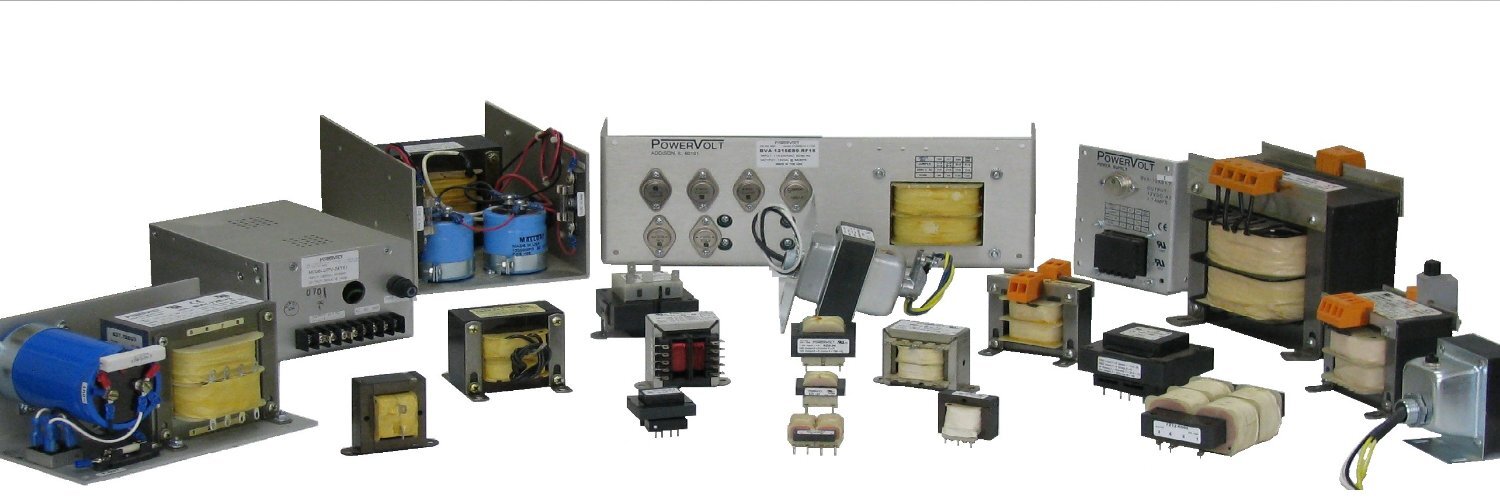
Power transformers play a vital role in transmitting and distributing electricity efficiently. At the core of every transformer is its insulation system, which ensures electrical isolation, maintains dielectric strength, and protects internal components. However, due to continuous exposure to thermal, electrical, and environmental stress, insulation naturally degrades over time.
Understanding how this degradation occurs helps utilities and engineers extend transformer lifespan, improve reliability, and avoid costly failures.
What Is Transformer Insulation?
Transformer insulation consists of both solid and liquid materials working together:
- Solid insulation: Kraft paper and pressboard
- Liquid insulation: Mineral oil or alternative insulating fluids
These materials provide electrical insulation and assist in heat dissipation. Over time, their properties weaken, reducing effectiveness.
Key Causes of Insulation Degradation
Thermal Aging:
Heat is the primary factor in insulation deterioration. High operating temperatures accelerate chemical reactions, leading to the breakdown of cellulose in paper insulation and oxidation of insulating oil. Even a small rise in temperature can significantly reduce insulation life.
Electrical Stress:
Continuous exposure to high voltage can cause partial discharges—tiny electrical sparks that damage insulation internally. Over time, this leads to cracks and eventual dielectric failure.
Moisture Ingress:
Moisture is highly damaging as it reduces dielectric strength and accelerates aging of solid insulation. It can enter through leaks, faulty seals, or develop naturally as insulation ages.
Oxidation and Chemical Reactions:
When transformer oil reacts with oxygen, it forms acids and sludge. These byproducts reduce cooling efficiency and increase internal temperatures, accelerating further degradation.
Mechanical Stress:
Short circuits, load fluctuations, and physical handling can cause vibrations and structural damage, weakening insulation materials.
Contamination:
Dust, metal particles, and carbon deposits can compromise insulation performance. These contaminants increase the risk of short circuits and reduce heat dissipation.
Factors Affecting Reliability
Even in low-voltage transformers, insulation quality plays a crucial role in performance. Key factors include:
- Quality of insulation materials
- Effective thermal management
- Proper load handling
- Precision in manufacturing
- Protection from environmental conditions
Additionally, internal losses generate heat, which further impacts insulation life if not managed properly.
Warning Signs of Insulation Deterioration
Early detection can prevent major failures. Common indicators include:
- Increased dielectric losses
- Higher moisture content
- Gas formation in oil (detected through analysis)
- Reduced oil breakdown voltage
- Overheating or hot spots
Regular monitoring helps identify these issues before they escalate.
Methods to Assess Insulation Health
Modern diagnostic tools are essential for evaluating transformer condition:
- Dissolved Gas Analysis (DGA): Detects gases produced during insulation breakdown
- Furan Analysis: Measures degradation of paper insulation
- Insulation Resistance Test: Evaluates leakage current resistance
- Dielectric Frequency Response (DFR): Assesses moisture and aging levels
How to Slow Down Insulation Aging
Although insulation degradation cannot be completely stopped, it can be significantly slowed with proper maintenance:
- Maintain optimal operating temperature
- Control moisture using drying systems
- Perform regular oil filtration
- Limit oxygen exposure with sealed systems
- Implement predictive maintenance practices
Importance of Proactive Maintenance
Ignoring insulation degradation can result in unexpected failures, costly downtime, and safety risks. A proactive maintenance approach can extend transformer life by decades and improve overall system reliability.
Conclusion
Insulation degradation in power transformers is inevitable but manageable. By understanding the causes and implementing effective monitoring and maintenance strategies, businesses can ensure long-term performance and safety.
For advanced transformer care and reliable solutions, Powervolt Group provides expert diagnostics, maintenance, and life-extension services tailored to modern industrial needs.