
Precision in Every Bolt: Aerospace Fasteners and Their Critical Requirements
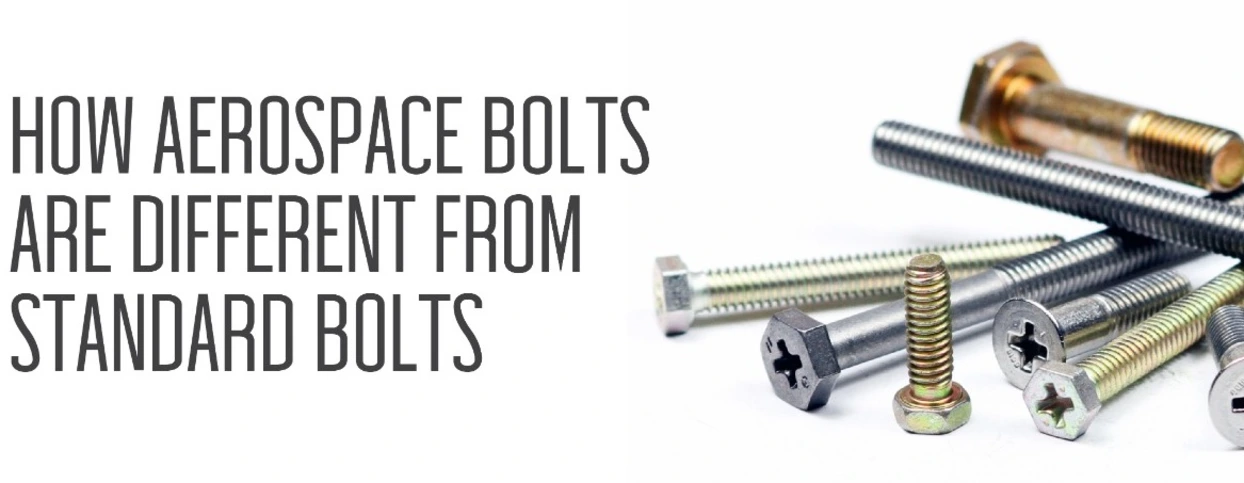
In the aerospace industry, precision is not just a preference—it is a necessity. Every component, no matter how small, plays a vital role in ensuring the safety, reliability, and performance of an aircraft. Among these components, fasteners stand out as critical elements that hold entire structures together under extreme conditions. From fuselage panels to engine assemblies, aerospace fasteners must meet stringent requirements that go far beyond those of standard industrial hardware.
The Role of Aerospace Fasteners
Aerospace fasteners are specialized hardware components designed to join two or more parts in aircraft and spacecraft structures. These include bolts, screws, nuts, rivets, and pins engineered to withstand high stress, vibration, temperature fluctuations, and exposure to harsh environments. Unlike conventional fasteners, aerospace-grade components must maintain structural integrity even in conditions such as high altitudes, rapid pressure changes, and extreme mechanical loads.
The importance of these fasteners cannot be overstated. A single failure could compromise the structural integrity of an aircraft, leading to catastrophic consequences. This is why manufacturers and engineers adhere to strict quality standards and testing protocols when designing and producing these components.
Critical Requirements for Aerospace Fasteners
High Strength-to-Weight Ratio
Weight reduction is a top priority in aerospace design. Every additional gram impacts fuel efficiency and overall performance. Therefore, aerospace fasteners must offer exceptional strength while remaining lightweight. Materials such as titanium alloys and high-strength aluminum are commonly used because they provide the necessary durability without adding unnecessary mass.
Corrosion Resistance
Aircraft operate in environments that expose components to moisture, salt, and varying atmospheric conditions. Corrosion can weaken fasteners over time, making resistance to oxidation and chemical degradation essential. Stainless steel and coated fasteners are often employed to enhance longevity and maintain reliability throughout the aircraft’s service life.
Temperature and Pressure Tolerance
Aerospace fasteners must perform reliably across a wide range of temperatures—from sub-zero conditions at high altitudes to extreme heat near engines. Additionally, they must withstand significant pressure variations without deforming or losing their holding capability. Specialized heat treatments and material selection play a crucial role in achieving these properties.
Vibration Resistance
Aircraft engines and aerodynamic forces generate constant vibration. Fasteners must be designed to resist loosening over time, which could otherwise lead to structural instability. Locking mechanisms, such as self-locking nuts and thread-locking compounds, are often incorporated to ensure secure fastening under dynamic conditions.
Precision Manufacturing
Tolerance levels in aerospace applications are extremely tight. Fasteners must be manufactured with high precision to ensure a perfect fit and proper load distribution. Even minor deviations can result in stress concentrations or misalignment, potentially leading to failure. Advanced machining processes and rigorous quality control measures are essential in achieving this level of accuracy.
Materials Used in Aerospace Fasteners
Material selection is a cornerstone of aerospace fastener design. Common materials include:
Titanium Alloys: Known for their high strength, low weight, and excellent corrosion resistance, titanium fasteners are widely used in critical structural applications.
Stainless Steel: Offers good strength and corrosion resistance, making it suitable for various non-critical and moderately critical components.
Superalloys: Used in high-temperature environments, such as jet engines, where standard materials would fail.
Aluminum Alloys: Lightweight and cost-effective, often used in less demanding applications where weight savings are crucial.
Each material is selected based on the specific requirements of the application, ensuring optimal performance and safety.
Standards and Certifications
Aerospace fasteners must comply with stringent international standards and certifications. Organizations such as ISO, ASTM, and aerospace-specific regulatory bodies define the specifications for material properties, manufacturing processes, and testing procedures. Compliance ensures consistency, traceability, and reliability across all components used in aircraft production and maintenance.
Manufacturers often undergo rigorous audits and quality assurance processes to maintain certification. This includes non-destructive testing methods such as ultrasonic inspection, radiography, and magnetic particle testing to detect any hidden defects.
Innovations in Aerospace Fastening Technology
Advancements in technology continue to drive innovation in aerospace fasteners. Modern developments include lightweight composite fasteners, improved coatings for enhanced durability, and smart fasteners equipped with sensors to monitor stress and fatigue in real time. These innovations not only improve performance but also contribute to predictive maintenance and increased safety.
Additive manufacturing, or 3D printing, is also beginning to influence the production of specialized fasteners. This technology allows for complex geometries and customized designs that were previously impossible with traditional manufacturing methods.
Choosing the Right Aerospace Fastener Supplier
Selecting a reliable supplier is crucial for ensuring the quality and performance of aerospace fasteners. A reputable supplier should offer:
- Certified products that meet international aerospace standards
- Consistent quality and traceability
- Technical support and engineering expertise
- Reliable supply chain and on-time delivery
Working with an experienced supplier helps minimize risks and ensures that every fastener used in an aircraft meets the highest safety and performance requirements.
Conclusion
Aerospace fasteners may be small in size, but their impact on aircraft safety and performance is immense. With demanding requirements such as high strength-to-weight ratios, corrosion resistance, and precision manufacturing, these components are engineered to perform under the most challenging conditions. As technology continues to evolve, aerospace fasteners will become even more advanced, supporting the next generation of aircraft and space exploration.
In the world of aerospace, precision truly exists in every baut/ bolt—and it is this precision that keeps the industry soaring safely into the future.