
B2B Packaging Trends: What Businesses Expect in 2026
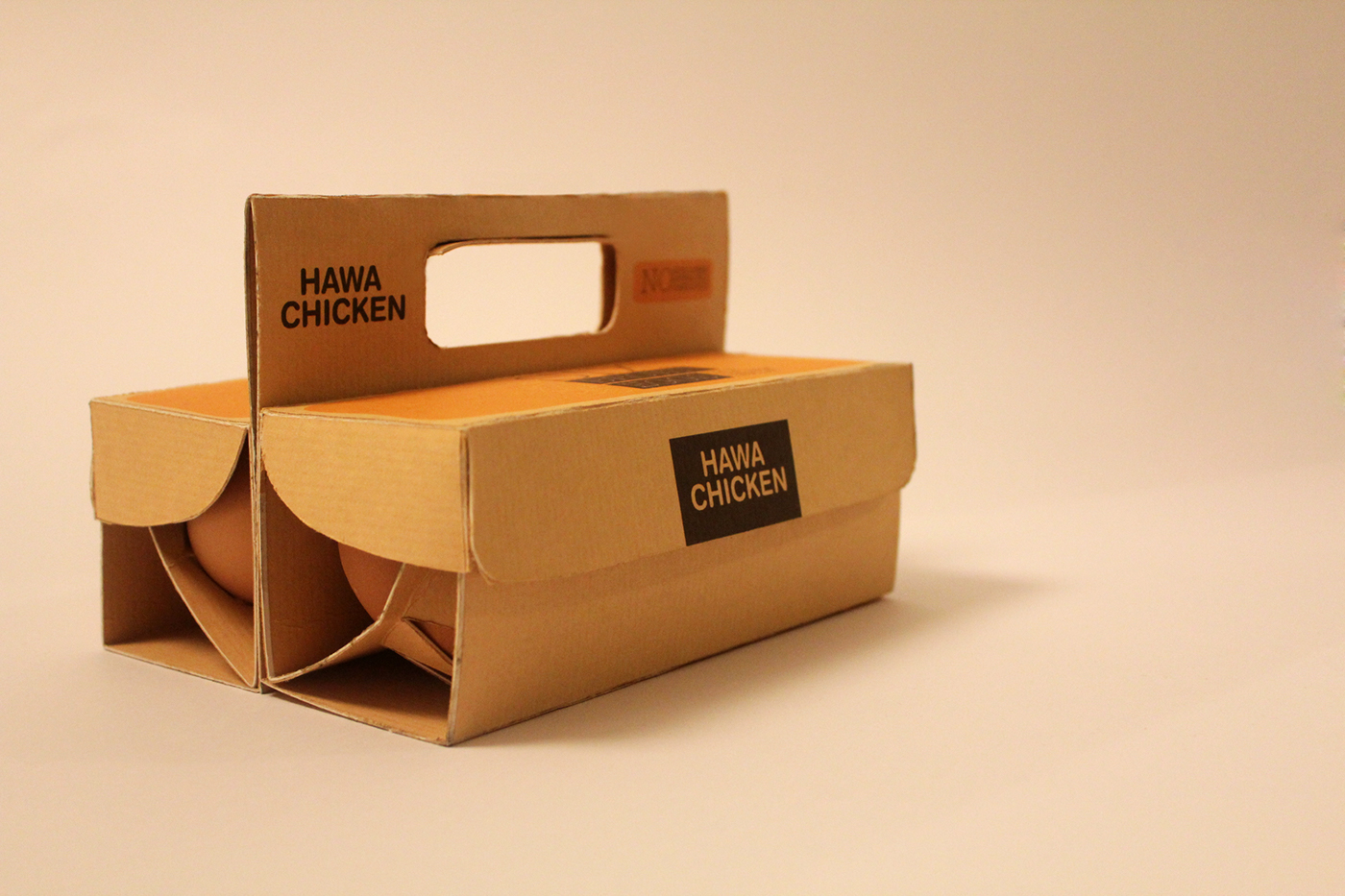
Packaging in the B2B world is no longer just about protection. It now plays a bigger role in cost, branding, and efficiency. As we move into 2026, businesses expect smarter and more practical cardboard packaging solutions.
A Strong Shift Toward Eco-Friendly Packaging Choices
Sustainability is now a serious priority for businesses. Companies are not just talking about it anymore. They are taking real steps to reduce their environmental impact.
Many businesses now choose packaging made from recycled materials. This helps lower waste and supports green goals. At the same time, biodegradable options are gaining attention. These materials break down faster and cause less harm.
In addition, companies want suppliers to follow clean production methods. They check how packaging is made and what resources are used. This creates pressure on manufacturers to improve their processes.
Another growing trend is reducing packaging size. Businesses aim to use less material while keeping products safe. Smart design helps achieve this balance. It also reduces shipping costs and storage needs.
Governments are also introducing stricter rules. Businesses must follow these rules to avoid fines. Therefore, eco-friendly packaging is becoming a requirement, not a choice.
Sustainability also affects business relationships. Companies prefer partners who share similar values. This helps build trust and long-term partnerships.
Looking ahead, eco-friendly packaging will become standard practice. Businesses will continue to demand solutions that are both effective and environmentally responsible.
Technology Is Making Packaging Smarter Than Ever
Technology is changing how packaging works. It is no longer just a box or a container. It is becoming a tool for better tracking and communication.
One major trend is the use of smart features. QR codes and tracking tags are now common. These tools help businesses track products in real time. This improves visibility across the supply chain.
In addition, digital systems are making inventory management easier. Packages can be scanned quickly. This updates records instantly and reduces errors. It also saves time for workers.
Data collection is another key benefit. Smart packaging provides useful insights. Businesses can see where delays happen and fix problems faster.
Security is also improving with technology. Tamper-proof designs help protect products. This is especially important for sensitive or high-value goods.
Clear labeling is also part of this trend. Packages now include detailed instructions and product information. This helps reduce confusion during handling.
Automation is also growing in warehouses. Packaging must work well with machines. This increases speed and reduces labor costs.
In 2026, businesses will expect packaging to support digital systems. Smart solutions will no longer be optional. They will be part of everyday operations.
Custom Packaging Is Becoming a Business Essential
Customization is no longer limited to retail brands. B2B companies are now focusing on it as well. They want packaging that fits their products perfectly and reflects their identity.
Well-designed packaging creates a strong first impression. It shows professionalism and attention to detail. This helps build trust between business partners.
Custom solutions also improve product safety. Different products need different packaging styles. A tailored approach reduces the risk of damage during shipping.
Another advantage is better organization. Custom inserts and compartments keep items secure. They also make unpacking faster and easier.
Many businesses now rely on Custom Cardboard Boxes because they are flexible and cost-effective. These boxes can be designed in different sizes and shapes. This helps reduce empty space and lower shipping costs.
Branding is another important factor. Logos, colors, and messages can be added easily. Even in bulk orders, branding makes a difference. It helps businesses stand out in competitive markets.
Custom packaging also improves communication. It can include instructions or product details. This reduces confusion and improves user experience.
As competition grows, businesses want to be different. Packaging plays a big role in this. In 2026, customization will continue to grow in importance.
Cutting Costs Without Compromising Quality
Managing costs is always a key concern for businesses. Packaging must offer value while keeping expenses low. At the same time, it should not reduce quality.
- Lightweight materials help lower shipping costs
- Compact designs reduce storage space
- Bulk packaging lowers overall expenses
- Standard sizes improve handling efficiency
In addition, strong packaging reduces damage. This means fewer returns and replacements. It saves money in the long run.
Efficient design also improves logistics. Packages that stack well are easier to transport. This reduces delays and improves delivery times.
Automation also plays a role in cost savings. Packaging must work with machines. This speeds up processes and reduces labor costs.
Another trend is reducing extra layers. Simple designs use fewer materials. This cuts costs and makes handling easier.
Suppliers are also offering more flexible pricing. Businesses want options that match their budget. Long-term deals often depend on cost efficiency.
In 2026, companies will focus more on smart spending. They will choose packaging that improves both performance and savings.
Meeting Safety Rules and Industry Standards
Safety and compliance are very important in B2B packaging. Businesses must follow strict rules to protect their products and customers.
Packaging must be strong enough to handle transport conditions. It should resist pressure, moisture, and temperature changes. This helps prevent damage.
Clear labeling is also required. Packages must include handling instructions and safety warnings. This reduces risks during shipping and storage.
Different industries have different standards. For example, food and medical products need special packaging. These rules must be followed carefully.
Traceability is another key factor. Businesses need to track products at every stage. This helps in quality control and product recalls if needed.
Compliance also builds trust. Companies prefer working with reliable partners. Following rules shows responsibility and professionalism.
Training is also important. Workers must understand packaging requirements. This reduces mistakes and improves efficiency.
Regulations are always changing. Businesses must stay updated to avoid problems. Packaging solutions must adapt quickly to new rules.
In 2026, compliance will remain a top priority. Companies will choose packaging that meets all safety and industry standards.
Final Thoughts on the Future of B2B Packaging
B2B packaging is moving in a clear direction. Businesses now expect more value from every packaging solution they use. It is no longer just about covering a product. It is about improving the entire supply chain.
Sustainability, for example, is now a basic requirement. Companies want eco-friendly materials and responsible production. At the same time, technology is making packaging smarter. It helps track products and improve operations.
Customization is also becoming more important. Businesses want packaging that fits their needs and reflects their identity. In addition, cost control remains a key focus. Companies look for solutions that save money without lowering quality.
Safety and compliance cannot be ignored either. Strict rules must be followed in every industry. This ensures product protection and builds trust between partners.
Looking ahead, packaging will continue to evolve. It will become more efficient, more innovative, and more aligned with business goals. Companies that adapt to these changes will stay competitive.
In 2026, successful businesses will choose packaging that supports growth, improves efficiency, and meets modern expectations.