
How to Know Your Foundation Shade: A Complete Beginner-Friendly Guide
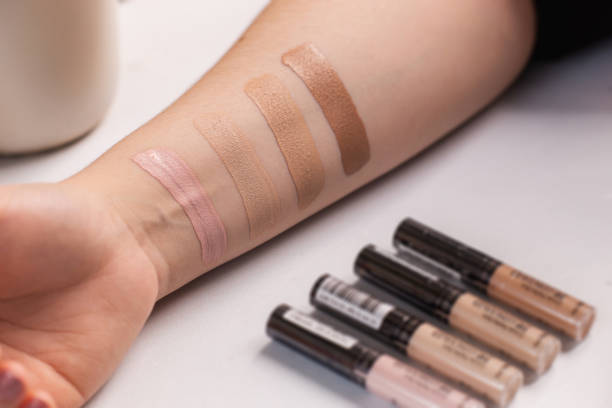
Finding the perfect foundation can feel overwhelming, especially if you’re new to makeup. With so many shades, undertones, and formulas available, it’s easy to feel confused. If you’ve ever stood in front of a makeup counter wondering which shade is right for you, don’t worry you’re not alone. This beginner-friendly guide will help you understand how to know your foundation shade step by step.
Why Choosing the Right Foundation Shade Matters
Your foundation is the base of your entire makeup look. The right shade blends seamlessly into your skin, giving you a natural, flawless finish. On the other hand, the wrong shade can look patchy, too light, too dark, or even unnatural in different lighting.
When you understand how to choose correctly, your makeup instantly looks more polished and professional.
Step 1: Identify Your Skin Tone
The first step in learning how to know your foundation shade is identifying your skin tone. Generally, skin tones fall into three categories:
- Fair to Light
- Medium to Olive
- Tan to Deep
A simple way to check your skin tone is by looking at your jawline in natural light. Your foundation should match your neck and face evenly, not just your hand.
Step 2: Understand Your Undertone
Undertones are the subtle hues beneath your skin’s surface. There are three main types:
- Warm undertone – Yellow or golden hues
- Cool undertone – Pink or bluish hues
- Neutral undertone – A mix of both
Easy Ways to Identify Undertone:
- Vein Test:
- Green veins = Warm
- Blue/Purple veins = Cool
- Both = Neutral
- Jewelry Test:
- Gold suits you = Warm
- Silver suits you = Cool
- Both look good = Neutral
Knowing your undertone is key to choosing a foundation that blends naturally.
Step 3: Test Before You Buy
One of the biggest mistakes beginners make is testing foundation on their hands. Always test it on your jawline or neck area.
Apply 2–3 shades side by side and blend slightly. The one that “disappears” into your skin is your perfect match.
Also, check the shade in:
- Natural daylight
- Indoor lighting
This ensures your foundation looks good everywhere.
Step 4: Choose the Right Formula
Your skin type also plays a big role in how your foundation looks.
- Oily Skin: Go for matte or oil-free foundations
- Dry Skin: Choose hydrating or dewy formulas
- Combination Skin: Look for balanced or satin finishes
If you prefer lightweight and quick application, cushion foundation is a great option. It offers buildable coverage and is perfect for everyday use.

Step 5: Consider Seasonal Changes
Your skin tone can change with the seasons. You might be slightly darker in summer and lighter in winter. That’s why many people keep two foundation shades and mix them when needed.
This helps maintain a perfect match all year round.
Step 6: Don’t Forget Oxidation
Some foundations darken after a few minutes of application this is called oxidation. Always wait 5–10 minutes after applying before deciding if the shade is right.
This small step can save you from choosing a shade that ends up looking too dark later.
Step 7: Try Modern Options Like Cushion Foundation
If you’re a beginner, using cushion foundation can make your life easier. It usually comes with a built-in applicator, making blending quick and mess-free. It’s also ideal for touch-ups on the go.
Many cushion foundations are designed to adapt slightly to your skin tone, which makes shade matching less stressful.
Common Mistakes to Avoid
- Choosing a shade based only on your hand
- Ignoring undertones
- Picking a lighter shade thinking it will brighten your face
- Not checking the shade in natural light
Avoiding these mistakes will instantly improve your makeup game.
FAQs
1. How do I know if my foundation shade is correct?
Your foundation is correct if it blends seamlessly into your skin and matches both your face and neck without leaving a visible line.
2. Can I use different foundation shades?
Yes, you can mix two shades to create your perfect match, especially during seasonal changes.
3. Is cushion foundation good for beginners?
Absolutely! Cushion foundation is easy to apply, lightweight, and great for achieving a natural look.
4. Should foundation be lighter or darker than skin?
Neither. It should match your skin tone exactly for the most natural finish.
5. What if I still can’t find my perfect shade?
Try consulting a makeup expert in-store or use online shade-matching tools offered by beauty brands.
Conclusion
Finding the perfect foundation doesn’t have to be confusing. Once you understand your skin tone, undertone, and how different formulas work, the process becomes much simpler. Remember, the goal is to enhance your natural beauty, not mask it.
Now that you know how to know your foundation shade, you can confidently choose the right product for a flawless look every time. Whether you prefer a full-coverage liquid or a lightweight cushion foundation, the perfect match is out there waiting for you.